


Views: 211 Author: Bohui Electric Publish Time: 2026-07-03 Origin: Site


Content Menu
● What Is a Junction Box and Why It Matters
● Safety First: Before You Install a Junction Box
>> Gather Essential Tools and Materials
● Choosing the Right Junction Box for a Light Fixture
>> Common Box Types for Light Fixtures
>> Indoor vs. Harsh‑Environment Installations
● Step‑by‑Step: How To Install a Junction Box for a Light Fixture
>> 1. Plan Location and Support
>> 2. Cut the Opening and Mount the Box
>> 4. Strip Wires and Make Connections
>> 5. Close the Box and Attach the Light Fixture
● Expert Tips from a Manufacturer and Installer Perspective
>> Respect Codes and Box Fill Limits
>> Think Long‑Term: Upgrades and Maintenance
● Common DIY Mistakes and How to Avoid Them
● When to Call a Licensed Electrician
● Practical Table: Junction Box Selection Cheat Sheet
● FAQs: Junction Boxes for Light Fixtures
>> Q1. Can I install a light fixture without a junction box?
>> Q2. How do I know if my junction box is big enough?
>> Q3. Is a plastic junction box safe for ceiling lights?
>> Q4. What wire gauge should I use for a typical ceiling light?
>> Q5. Do I need a special junction box outdoors?
Installing a junction box for a light fixture is not just a basic DIY task—it's a critical safety step that protects your wiring, supports the fixture's weight, and keeps your electrical system compliant with modern standards. As a sheet‑metal electrical enclosure manufacturer working with global power, communications, and industrial customers, we see firsthand how proper junction box installation prevents failures in the field and extends the life of both fixtures and wiring. [lianjer]
A junction box is a protective enclosure where electrical conductors are joined, spliced, or branched to feed a light fixture or other loads. For ceiling and wall lights, the junction box provides both a secure mechanical mounting point and a safe, code‑compliant space for connections. [dgfloors]
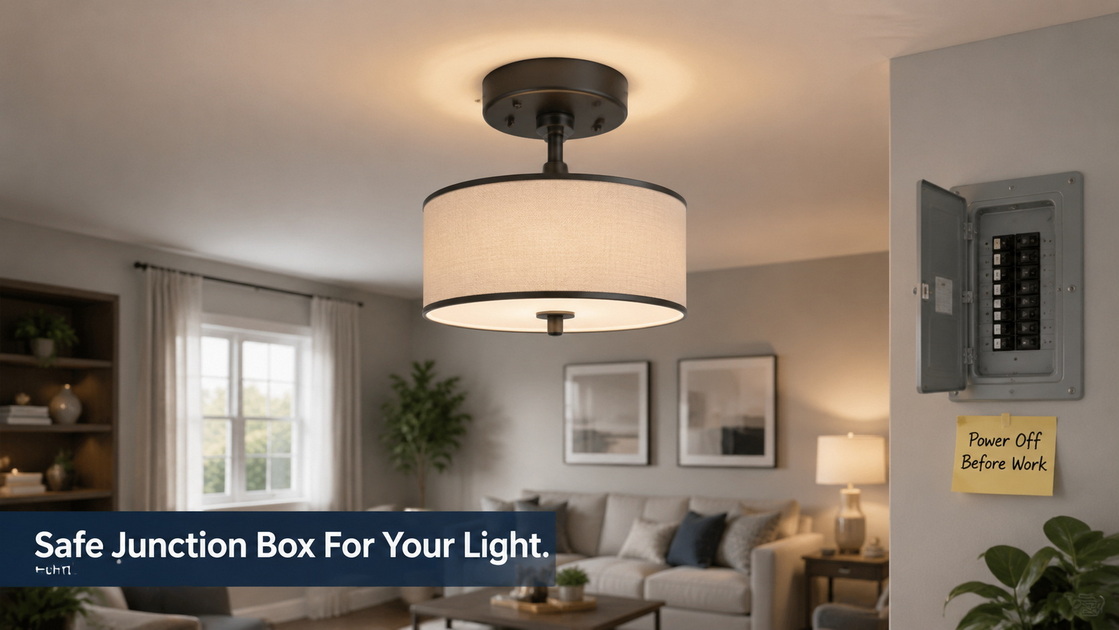
- Fire protection: The box contains sparks or heat from loose connections, reducing fire risk. [magnifyelectric]
- Mechanical support: It anchors the light fixture, especially important for heavier fittings or ceiling fans. [homedepot]
- Code compliance: Modern building and electrical codes require junction boxes at all splice points and fixtures. [hwlok]
From our manufacturing perspective, we design sheet‑metal junction boxes and enclosures to meet IP65 and higher protection levels, ensuring robust performance in harsh environments and long‑term reliability in residential and industrial projects alike. [bohuielectric]
Before touching any wiring, safety and preparation must come first. [youtube]
1. Shut off the circuit breaker that feeds the light location you're working on. [youtube]
2. Use a non‑contact voltage tester at the existing fixture or cable ends to confirm that no live voltage is present. [youtube]
Professional electricians treat power verification as a non‑negotiable step; skipping it is one of the most common causes of DIY electrical accidents.
For installing a junction box for a light fixture, you will typically need: [smartshop.lk-ea]
- Approved junction box (metal or plastic) sized for the number of conductors
- Screws and mounting hardware suitable for studs, joists, or masonry
- Cable clamps or built‑in strain reliefs
- Wire connectors (wire nuts) and electrical tape
- Drill, driver bits, and wood screws or anchors
- Wire stripper, utility knife, and measuring tape
- Voltage tester for safety checks
From an OEM/ODM standpoint, we recommend choosing boxes and enclosures that carry clear ratings (e.g., IP65, CE) and match your installation environment—indoor drywall, exposed basements, outdoor soffits, or industrial ceilings. [bohuitechnology]
The "right" junction box depends on fixture type, environment, and load. [dgfloors]
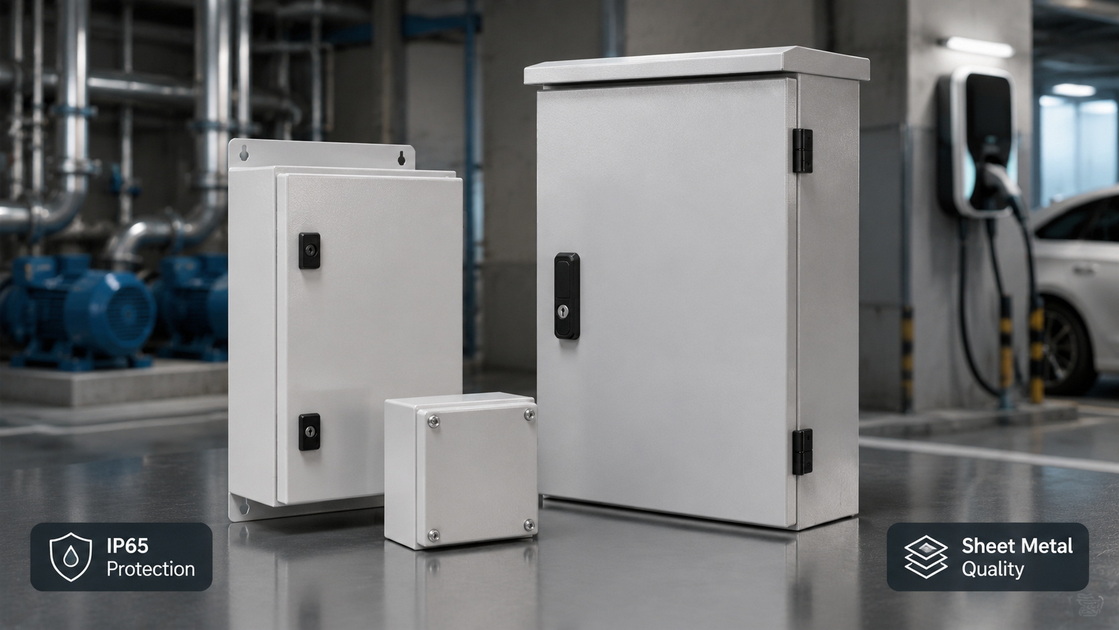
- Ceiling round boxes: Ideal for typical pendant lights, flush‑mount fixtures, and small chandeliers. [homedepot]
- Square/rectangular boxes: Used when multiple cables are joined or where more space is needed for splices. [magnifyelectric]
- Fan‑rated boxes: Specifically designed to carry the dynamic load of ceiling fans. [homedepot]
For residential ceilings, many installers prefer metal boxes when mounting heavier fixtures, due to their rigidity and better mechanical anchoring to joists. [paclights]
In standard drywall ceilings, a simple UL‑listed or CE‑marked box is usually adequate. However, for environments involving: [hwlok]
- Moisture or outdoor exposure (e.g., carports, exterior soffits)
- Industrial dust or corrosive atmospheres (factories, pump rooms, EV charging bays)
select sealed sheet‑metal enclosures with higher ingress protection ratings (IP65 or IP66), which is exactly the segment where manufacturers like Ningbo Bohui Electric focus their design and certification efforts. [bohuielectric]
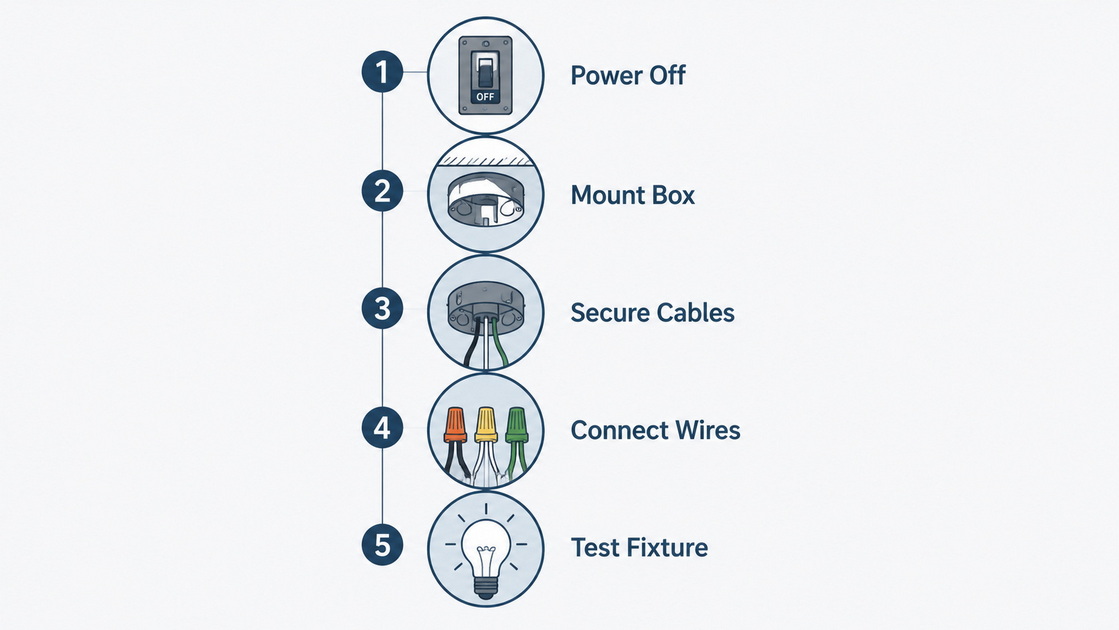
The core process is similar across most residential settings: mount the box securely, route cables, make safe connections, and attach the fixture. Below is a structured workflow that aligns with how professional installers approach this task. [lianjer]
1. Identify the fixture position on the ceiling or wall based on your lighting layout and room aesthetics. [youtube]
2. Locate a joist or stud near that point, since the junction box must be solidly anchored to structural framing for heavier fixtures. [youtube]
3. If framing doesn't align perfectly, use an adjustable bar hanger or specialty box rated for installation between joists. [smartshop.lk-ea]
Industry experience shows that poor mechanical support is a leading cause of sagging fixtures and premature failures, especially in commercial spaces with frequent maintenance and retrofits.
1. Trace the outline of the junction box or use a manufacturer‑provided template on the drywall or plaster. [youtube]
2. Cut the hole carefully with a jab saw or drywall saw, staying just inside the line to ensure a snug fit. [youtube]
3. Insert the box and fasten it to the stud/joist using appropriate screws, or tighten the built‑in clamps that grip the drywall. [youtube]
Modern "old‑work" or remodel boxes have integrated clamps that lock onto drywall; for new construction, boxes are usually screwed directly to studs before the wallboard goes up. [lianjer]
1. Route the incoming power cable and fixture cable to the box location, respecting bend radius and avoiding sharp edges. [magnifyelectric]
2. Use the box's knockouts or cable entries, adding bushings or grommets if needed to protect the insulation. [hwlok]
3. Tighten cable clamps so the cable jacket is held firmly—this prevents strain on the conductor connections and keeps the installation code‑safe. [smartshop.lk-ea]
In industrial or commercial projects, this strain relief becomes even more important, as vibration from HVAC systems, motors, or nearby machinery can loosen unprotected connections over time.
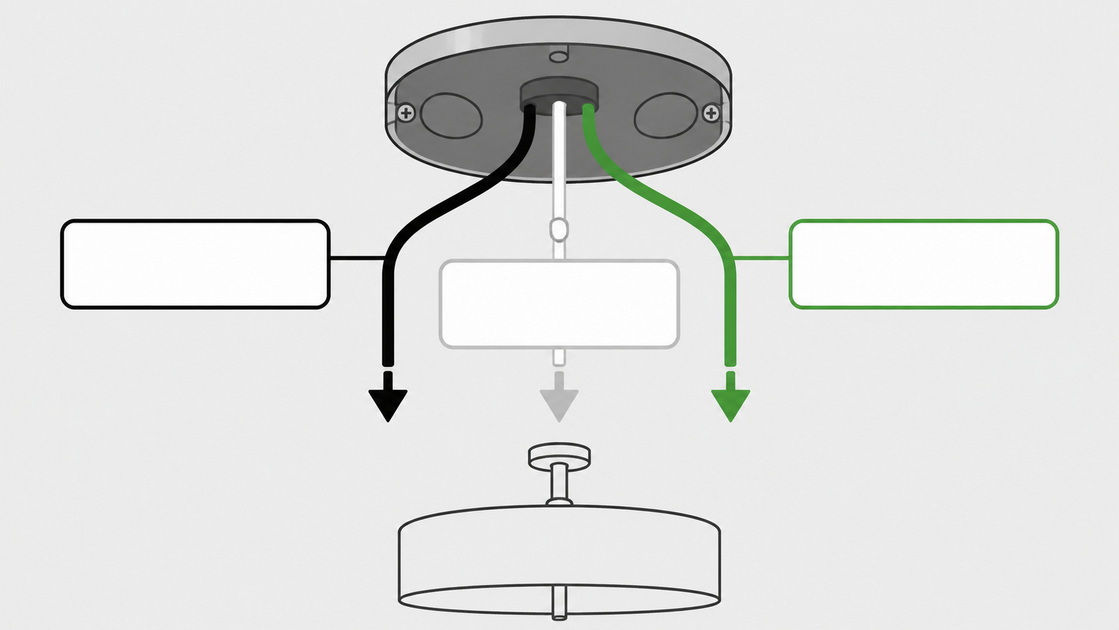
Inside the box, you'll typically have three basic conductor groups for a grounded AC system: hot (black), neutral (white), and ground (green or bare). [paclights]
1. Strip approximately 6 inches of cable jacket so individual conductors can reach the splicing area inside the box. [youtube]
2. Strip about 1/2 inch of insulation from each conductor end using a wire stripper. [paclights]
3. Connect corresponding wires:
- Black (hot) from supply to black from fixture
- White (neutral) from supply to white from fixture
- Green/bare ground to box ground screw and fixture ground wire
4. Use approved wire connectors, twist them firmly, and tug gently on each wire to check that it's secure. [youtube]
Professional installers also ensure box fill limits are not exceeded—too many conductors in a small box can lead to heat buildup and cable damage. [dgfloors]
1. Carefully tuck the spliced wires into the junction box, avoiding sharp bends and leaving the connectors accessible. [paclights]
2. Install the box cover or mounting plate as specified by the fixture hardware. [homedepot]
3. Align the fixture's mounting bracket with the box screw holes and fasten the fixture securely. [smartshop.lk-ea]
4. Restore power at the breaker and test the light to confirm proper operation. [homedepot]
In our experience supplying sheet‑metal enclosures to industrial and commercial projects, we often see maintenance teams prioritize clear labeling and good cable management inside and around junction boxes; this pays off during troubleshooting and future upgrades.
Beyond the basics, there are expert‑level considerations that can significantly improve longevity, safety, and inspection outcomes.
Electrical codes and manufacturer datasheets specify maximum conductor counts per box size; exceeding those limits increases heat and makes future maintenance dangerous. When in doubt, choose a slightly larger box or split circuits between two enclosures. [hwlok]
- Leave extra conductor slack for future fixture changes or smart‑lighting upgrades. [reddit]
- Choose corrosion‑resistant sheet‑metal boxes for damp basements, pump rooms, or near outdoor EV chargers. [bohuitechnology]
- Label circuits or cable routes around the box to support fast troubleshooting years later. [youtube]
Manufacturers like Ningbo Bohui Electric design enclosure solutions specifically for multi‑industry scenarios, where the same junction box standard must support building lighting today and industrial automation or new energy systems tomorrow. [bohuielectric]
From user feedback and installer forums, several recurring mistakes stand out: [reddit]
- Not turning off power or failing to verify with a tester.
- Leaving splices outside a box or inside an undersized enclosure.
- Over‑tightening clamps, damaging cable jackets and exposing conductors. [dgfloors]
- Ignoring ground connections, leaving the metal box or fixture ungrounded.
- Using non‑rated boxes in damp or outdoor environments.
Being aware of these pitfalls—and designing boxes with clear marking and robust cable entries—helps manufacturers and installers work together to reduce failure rates in both residential and industrial settings. [bohuitechnology]
Even confident DIY users reach a point where professional help is the safer option. [youtube]
Consider hiring a licensed electrician if:
- You're modifying existing circuits with limited slack or complex routing.
- The project involves multiple fixtures, three‑way switches, or smart controls.
- You're working in commercial, industrial, or high‑load environments with strict local code requirements. [magnifyelectric]
From our industry vantage point, we see that high‑risk environments—such as manufacturing plants, pump stations, and EV charging areas—routinely rely on professional electricians who understand both local codes and the specific enclosure ratings needed for safe operation. [bohuielectric]
| Scenario | Recommended Box Type | Key Features To Look For |
|---|---|---|
| Standard ceiling light in drywall | Round ceiling junction box | UL/CE listed, secure joist mounting, sufficient box fill homedepot |
| Heavy chandelier or fan | Fan‑rated metal box | High load rating, robust mounting bracket, grounding screw homedepot |
| Damp basement or pump room | Sheet‑metal IP65 enclosure | Sealed door, corrosion resistance, certified ingress rating bohuielectric |
| Outdoor soffit or carport light | Weatherproof junction box | Gasketed cover, UV‑resistant materials, IP65/IP66 rating dgfloors |
| Industrial automation / EV charging | Custom sheet‑metal distribution box | OEM/ODM design, multi‑cable entries, code‑compliant labeling bohuielectric |
If you're planning a lighting upgrade—whether in a home, commercial building, or industrial facility—start by choosing the right junction box and enclosure strategy. For projects that involve harsh environments, multi‑circuit layouts, or integration with smart and new‑energy systems, partnering with an experienced sheet‑metal enclosure manufacturer like Ningbo Bohui Electric Co., Ltd. ensures that your junction boxes are not only easy to install but also engineered for long‑term safety and reliability. [bohuielectric]
No. Modern codes require all splices and fixture connections to be inside an approved junction box to protect connections and prevent fires. [hwlok]
Check the manufacturer's box fill rating and count your conductors; if you're near the limit, use a larger box or split the circuit between two boxes. [dgfloors]
Plastic boxes are commonly used and safe when properly rated and supported, but for heavier fixtures or fans, a metal or fan‑rated box is usually recommended. [paclights]
Most residential ceiling lights on 15‑amp circuits use 14‑gauge cable, while 20‑amp circuits require 12‑gauge; always follow local code and fixture instructions. [magnifyelectric]
Yes. Outdoor and damp locations call for sealed, weather‑resistant boxes or sheet‑metal enclosures with IP65 or higher ratings to prevent moisture intrusion. [dgfloors]
1. HUA WEI – Wiring and Installation Guide for Junction Boxes
https://www.hwlok.com/en/technical-info/tech-junction_box.html [hwlok]
2. Lianjie – How to Install a Junction Box Safely and Correctly
https://www.lianjer.com/how-to-install-an-electrical-junction-box/ [lianjer]
3. DGFloors – Junction Box Electrical: Complete Guide for Homeowners
https://dgfloors.com/junction-box-electrical/ [dgfloors]
4. The Home Depot – How to Install a Light Fixture
https://www.homedepot.com/c/ah/how-to-install-a-light-fixture/9ba683603be9fa5395fab90eec2fb1f [homedepot]
5. YouTube – How To Install A Junction Box For A Light Fixture
https://www.youtube.com/watch?v=w02nauuzfdo [youtube]
6. Ningbo Bohui Electric Co., Ltd. – Official Website
https://www.bohuielectric.com/ [bohuielectric]
7. Ningbo Bohui Technology Co., Ltd. – Sheet Metal Enclosures
https://www.bohuitechnology.com/ [bohuitechnology]
8. SmartShop – The Essential Guide to Junction Boxes: Types, Uses & Installation
https://smartshop.lk-ea.com/blog-articles/post/the-essential-guide-to-junction-boxes-types-uses-and-installation.html [smartshop.lk-ea]
9. CountyOffice.org – How To Install A Junction Box For A Light Fixture? (Video)
https://www.youtube.com/watch?v=6o6wMDbhrrg [youtube]
10. Reddit r/electrical – Installing a Junction Box to Add a Ceiling Light
https://www.reddit.com/r/electrical/comments/1b9bzo1/i_am_installing_a_junction_box_to_add_a_ceiling/ [reddit]

2026-07-26

2026-07-24


