


Views: 222 Author: Bohui Electric Publish Time: 2026-04-02 Origin: Site


Content Menu
● The Gold Standard: Navigating the German Enclosure Market
● Rittal: The Architecture of Industrial Intelligence
>> Engineering Excellence and Systems Integration
● Schneider Electric (ABN): Precision in Building & Infrastructure
● Spelsberg: The Authority in Non-Metallic Protection
>> Why Material Science Matters
● Hager Group: Merging Safety with Aesthetic Functionality
● Fibox: High-Performance Alternatives to Steel
● Comparison of Leading German Suppliers (2026 Data)
● Industry Insights: The 3 Pillars of German Procurement in 2026
>> 1. Thermal Management and Energy Efficiency
>> 2. Resilience Against "Harmonic Distortion"
>> 3. The Shift to "Circular" Enclosures
● Technical Summary and Recommendations
● Frequently Asked Questions (FAQ)
>> 1. What is the difference between IP66 and IP67 in German industrial standards?
>> 2. Can I use a standard indoor enclosure for a BESS (Battery Energy Storage System) project?
>> 3. Are stainless steel enclosures always better than plastic?
>> 4. What does "IK10" rating mean for an electrical cabinet?
>> 5. How are German manufacturers addressing the 2026 energy transition?
As the industrial heartbeat of Europe, Germany sets the global benchmark for engineering precision, safety, and durability. In the world of electrical infrastructure, selecting the right enclosure is not merely about housing components; it is about ensuring system longevity, operational safety, and seamless integration into increasingly complex smart grids and automated factories.
Drawing from years of manufacturing experience at Ningbo Bohui Electric Co., Ltd., where we specialize in high-performance sheet metal enclosures for sectors ranging from telecommunications to new energy vehicles, we have analyzed the current German landscape. This guide provides a deep-dive into the manufacturers defining the market in 2026, evaluated through the lens of technical innovation, regulatory compliance, and field-proven reliability.
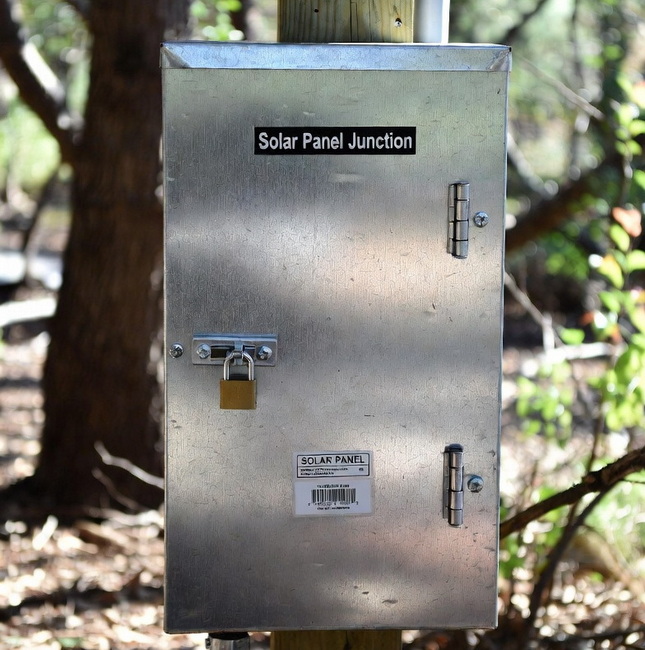
The German market is governed by some of the world's most stringent technical requirements, notably DIN EN IEC 62208. For B2B buyers and electrical engineers, "Made in Germany" or "German Engineered" signifies a commitment to high Ingress Protection (IP) and Impact Protection (IK) ratings.
In 2026, the market is no longer just about "steel boxes." The integration of Industry 4.0 IoT sensors, advanced thermal management, and sustainable materials has become the new baseline for top-tier suppliers.
Headquartered in Herborn, Rittal remains the undisputed heavyweight champion of the enclosure world. Their "Rittal – The System" approach has transformed enclosures from passive components into active, intelligent infrastructure.
The VX25 Benchmark: The VX25 large enclosure system is the industry standard for modularity. Its symmetrical frame allows for significant space savings and simplified assembly, which is critical for large-scale power distribution and data center projects.
Digital Transformation: Rittal's integration with EPLAN software allows for a seamless "Design-to-Manufacturing" workflow. By creating a Digital Twin, engineers can simulate heat loads and cable paths before a single piece of metal is cut, drastically reducing time-to-market.
Climate Control Leadership: Their "Blue e+" cooling units are recognized for reducing energy consumption by up to 75%, a vital factor for German enterprises focused on carbon neutrality.
While Schneider Electric is a global entity, its acquisition of the German brand ABN has solidified its position as a specialist in the German domestic and commercial sectors.
Smart Building Distribution: The ABN series is specifically designed for the complexities of modern German building regulations. These enclosures excel in housing both power distribution and media/telecom modules in a single, organized unit.
E-Mobility Integration: As Germany accelerates its EV charging infrastructure, Schneider's specialized outdoor enclosures provide the necessary UV resistance and vandal-proofing (IK10) required for public charging stations.
Sustainability Credits: Schneider's "Green Premium" label ensures that their enclosures are designed with circularity in mind, meeting the strict ESG (Environmental, Social, and Governance) criteria of modern B2B procurement.
For over a century, Spelsberg has been the go-to name for junction boxes and small-to-medium enclosures. As a family-owned German company, their focus on material science is unparalleled.
IQ Laboratory Testing: Spelsberg operates its own VDE and UL-certified testing labs. Every enclosure is subjected to extreme thermal, chemical, and mechanical stress tests, ensuring reliability in harsh industrial environments.
Thermoplastic Innovation: Their use of high-quality polycarbonate ensures that enclosures remain shatter-proof even at sub-zero temperatures, making them ideal for the German wind energy and agricultural sectors.
Customization at Scale: Despite their massive catalog, Spelsberg is uniquely positioned to offer CNC-machined custom openings and pre-assembled terminals for specific B2B client needs.
Based in Blieskastel, Hager is a pillar of the German electrical trade. Their focus is heavily weighted toward energy distribution and the "Smart Home" ecosystem.
Installation Speed: Hager enclosures are famous among German electricians for their "QuickConnect" technology, which significantly reduces the time required for wiring and mounting.
Fire Protection Specialists: In the construction sector, Hager's fire-rated enclosures (tested to DIN 4102-12) provide essential functional integrity, ensuring that critical systems remain operational during emergencies.
Design Excellence: Their enclosures often win design awards, reflecting a philosophy that industrial equipment can be both highly functional and visually integrated into modern architecture.

While originating in Finland, Fibox maintains a massive operational footprint in Germany, particularly serving the IoT and maritime industries.
RF Transparency: As 5G and Private LTE networks expand across German "Smart Factories," Fibox's polycarbonate enclosures offer a distinct advantage: they do not shield radio signals, allowing internal antennas to communicate without interference.
Weight Efficiency: For mobile power units and renewable energy sensors, Fibox provides the strength of steel at a fraction of the weight, simplifying logistics and installation.
| Manufacturer | Core Material | Best For | Technical Highlight |
| Rittal | Steel / Stainless | Data Centers & Heavy Industry | Digital Twin / EPLAN Integration |
| Schneider (ABN) | Steel / Hybrid | Commercial & EV Infrastructure | Integrated Media/Power Boards |
| Spelsberg | Polycarbonate | Extreme Industrial Environments | VDE Certified Material Testing |
| Hager Group | Steel / Plastic | Residential & Smart Buildings | Fire Protection & QuickConnect |
| Fibox | Polycarbonate | IoT & Telecommunications | RF Transparency & Corrosion Resistance |
From our perspective as a manufacturer supplying global markets, we see three critical trends that B2B buyers must prioritize when sourcing from Germany:
With rising energy costs in Europe, an enclosure is only as good as its cooling system. High-end German suppliers now offer Active Smart Cooling that adjusts based on internal heat-load sensors, preventing component failure while minimizing electricity use.
In modern power grids, the rise of renewables can lead to power quality issues. Top-tier German enclosures are increasingly designed with enhanced Electromagnetic Compatibility (EMC) shielding to protect sensitive electronics from interference.
By 2026, the German "Supply Chain Due Diligence Act" (LksG) has made transparency mandatory. Buyers are now looking for enclosures with a "Product Carbon Footprint" (PCF) certificate, detailing the sustainability of the steel or plastic used.
Selecting a partner among the Top Electrical Enclosure Manufacturers and Suppliers in Germany requires a balance between technical specifications and long-term support.
For Complex Automation, Rittal is the gold standard.
For Infrastructure and Housing, Hager and Schneider (ABN) lead.
For Challenging Environments, Spelsberg and Fibox offer the most resilient non-metallic solutions.
At Ningbo Bohui Electric Co., Ltd., we continuously benchmark our sheet metal fabrication and custom enclosure services against these industry leaders to ensure our global partners receive world-class protection for their electrical assets.

IP66 protection means the enclosure is dust-tight and protected against powerful water jets. IP67 goes further, ensuring the enclosure is protected against the effects of temporary immersion in water (up to 1 meter for 30 minutes). For most German outdoor industrial applications, IP66 is sufficient, but IP67 is preferred for flood-prone or wash-down areas.
No. BESS applications require specialized outdoor enclosures with high UV resistance and advanced thermal management to prevent thermal runaway in batteries. Most German manufacturers offer dedicated "Outdoor" or "Energy" lines specifically for this purpose.
Not necessarily. While stainless steel (304 or 316L) offers superior mechanical strength and heat resistance, high-quality polycarbonates (like those from Spelsberg) are lighter, cheaper, and more resistant to chemical corrosion and RF interference.
The IK rating indicates protection against mechanical impact. IK10 is the highest standard rating, meaning the enclosure can withstand a 20-joule impact (equivalent to a 5kg mass dropped from 40cm). This is essential for public EV chargers and high-traffic industrial zones.
Manufacturers like Rittal and Hager are focusing on "Sector Coupling"—creating enclosures that can manage the interface between solar power, heat pumps, and EV charging stations, all integrated via smart energy management systems.
Fortune Business Insights: Electrical Enclosure Market Size, Share & COVID-19 Impact Analysis, 2024-2032
DIN Media: Standard DIN EN IEC 62208: Empty enclosures for low-voltage switchgear
Research and Markets: Germany Electrical Enclosure Market - Growth, Trends, and Forecasts (2024 - 2029)
Hager Group: Sustainability and Innovation Report 2025
Rittal GmbH: The System: Industrial Enclosures and IT Infrastructure Guide
Spelsberg: Technical Manual for Industrial Installation Systems

2026-07-26

2026-07-24


