


Views: 222 Author: Bohui Electric Publish Time: 2026-05-25 Origin: Site


China has become one of the most important global bases for sheet‑metal electrical enclosures and junction boxes, driven by mature industrial clusters, complete supply chains, and cost‑competitive production. Buyers in power distribution, telecom, industrial automation, EV charging, and solar often prioritize Chinese suppliers to balance quality, customization, and total landed cost. At the same time, tightening international standards (CE, RoHS, IP ratings, ISO 9001) mean that not every factory can reliably support long‑term projects, so selecting the right partner matters more than ever. [metafuro]
The junction box market itself is growing quickly alongside electrification and renewable energy investments worldwide, with global demand for junction and related electrical enclosures projected to grow at a high single‑ to double‑digit CAGR through the early 2030s. This expansion is especially visible in sectors such as solar, EV infrastructure, smart buildings, and industrial IoT, which all rely on durable, compliant enclosures to protect sensitive components in harsh environments. [linkedin]
Before listing specific manufacturers, it is important to clarify how an experienced buyer or sourcing consultant typically evaluates a junction box factory in China. The companies included here are selected based on a combination of certification, engineering depth, production capacity, export track record, and service quality, not on paid listings or advertising. [svigloballtd]
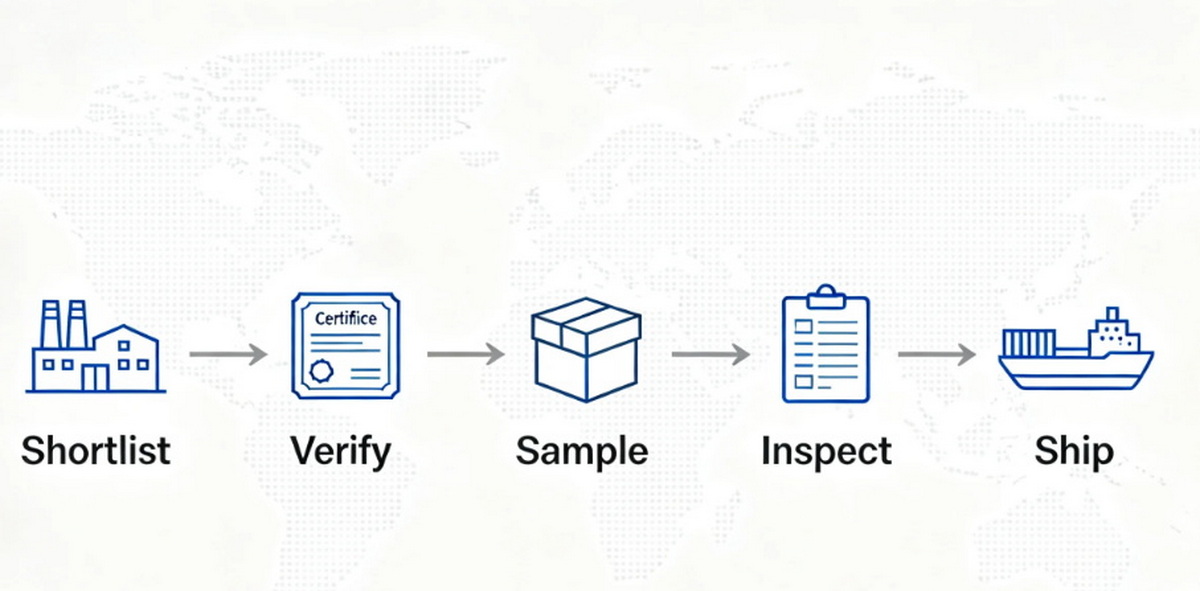
Key selection criteria
- Factory certifications and compliance
- Valid ISO 9001 (quality), occasionally ISO 14001 (environment) or ISO 45001 (safety), and where relevant, UL/CE/CB approvals on key product ranges. [metafuro]
- Ability to meet IP ratings (IP65–IP67 for outdoor, IP20–IP55 for indoor) and regional compliance such as CE, RoHS, and sometimes REACH. [dataintelo]
- Engineering and R&D capability
- In‑house sheet‑metal design, enclosure optimization for thermal performance and cable routing, and experience with application‑specific standards (e.g., solar junction box standards, explosion‑proof requirements where applicable). [omjcasting]
- Ability to convert buyer drawings or samples into manufacturable designs within realistic lead times (often within 30–45 days for a new enclosure line). [tycorun]
- Quality control process (QC) and traceability
- Documented incoming material inspection (steel grade, coating thickness, gasket material), in‑process checks, and final inspection reports. [svigloballtd]
- Functional tests (dielectric strength, grounding continuity), IP tests, and corrosion resistance tests, especially for outdoor or marine environments. [dataintelo]
- Production capacity and delivery stability
- Automated or semi‑automated sheet‑metal fabrication (laser cutting, CNC punching, bending), powder‑coating lines, and assembly lines sized for sustained monthly output. [tycorun]
- Evidence of stable lead times across peak seasons, and strong relationships with upstream steel coil and component suppliers to mitigate supply disruptions. [persistencemarketresearch]
- OEM/ODM flexibility and communication
- Willingness to support small‑ to medium‑batch custom enclosures, rapid sampling, and iterative modifications. [tycorun]
- English‑speaking sales/engineering staff, transparent documentation, and quick response times during design, sampling, and mass production phases. [svigloballtd]
- Export track record and main markets
- Proven shipments to regulated markets such as North America, the EU, Oceania, and the Middle East, often reflected in references, case studies, or long‑term customers. [persistencemarketresearch]
- Familiarity with export documentation, destination country standards, and third‑party inspections. [svigloballtd]
These criteria align closely with how professional procurement managers and technical buyers evaluate long‑term partners, not just low‑price vendors. [metafuro]
Understanding the technical side of junction boxes helps buyers ask the right questions and read between the lines of supplier claims. Beyond basic dimensions and price, key factors include materials, surface treatment, sealing performance, certifications, and application‑specific design details. [dataintelo]

1. Materials and grades
- Common metals: cold‑rolled steel, galvanized steel, stainless steel (often 304 or 316), and aluminum for weight‑sensitive or corrosion‑prone applications. [persistencemarketresearch]
- Sheet thickness: typically 1.0–2.0 mm for small wall‑mounted junction boxes, and up to 2.5–3.0 mm for floor‑standing cabinets or heavy‑duty applications. [persistencemarketresearch]
- Gasket materials: EPDM, silicone, or PU foam gaskets are used to achieve IP65–IP67 sealing; inferior rubber compounds can harden or crack over time. [dataintelo]
2. Surface treatment and corrosion resistance
- Powder coating over phosphated steel or galvanized substrate is standard for indoor and general outdoor use. [tycorun]
- For coastal, marine, or chemical plant installations, buyers may prefer stainless steel or aluminum with additional protective coating and tested salt‑spray performance. [persistencemarketresearch]
3. Protection levels and safety
- IP ratings define protection against dust and water; IP65 is common for outdoor junction boxes, while IP66–IP67 is used in more demanding environments. [dataintelo]
- Integration of earthing studs, PE bars, and internal mounting plates supports safe and compliant wiring in power and control systems. [tycorun]
4. Compliance and certifications
- CE and RoHS are frequently required for exports to Europe, while UL or CSA may be requested for North America, depending on the end‑product certification path. [dataintelo]
- ISO 9001 certification at the factory level ensures basic quality management practices but must be verified for validity and scope. [metafuro]
China's junction box and electrical enclosure manufacturing benefits from dense industrial clusters in regions such as Zhejiang, Jiangsu, Guangdong, and areas around Shanghai. These clusters concentrate sheet‑metal fabrication, coating, lock and hinge suppliers, gasket manufacturers, and logistics hubs, creating short lead times and lower transaction costs for OEM projects. [svigloballtd]
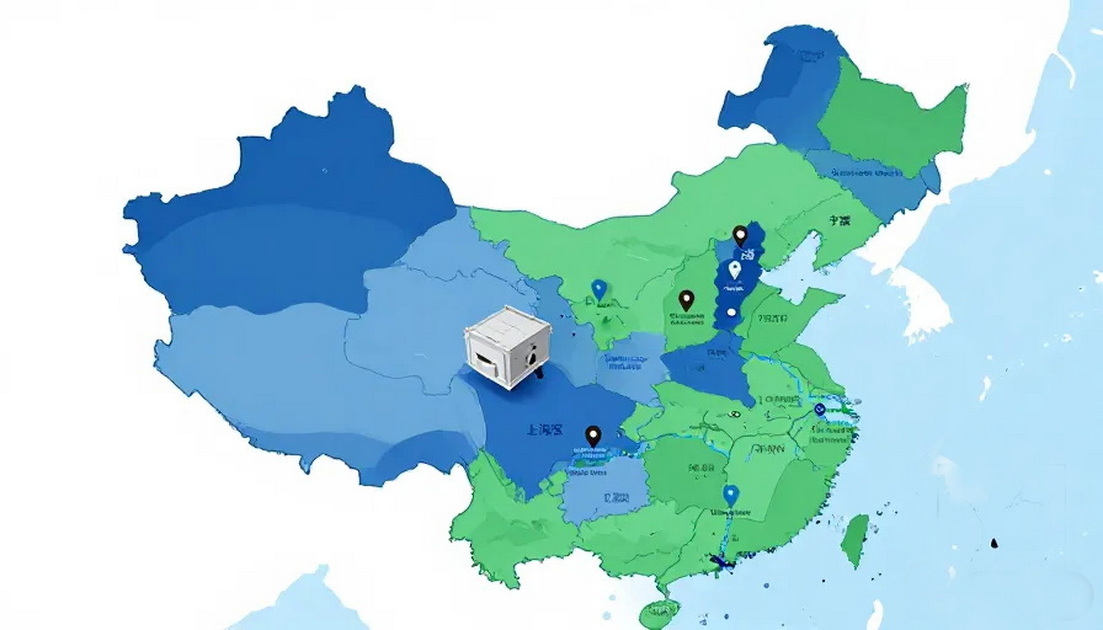
For example, Ningbo in Zhejiang province hosts numerous metal enclosure producers and is closely connected to Ningbo Port, one of the world's busiest container ports, facilitating efficient global shipping for bulky cabinets and junction boxes. Similarly, Guangdong and the greater Shenzhen area lead in electronics and telecom equipment, fueling demand for network enclosures and integrated junction solutions. This cluster effect enables suppliers to offer competitive pricing while maintaining consistent material availability and technical support across various application niches. [persistencemarketresearch]
Below is a curated list of 10 notable junction box and electrical enclosure manufacturers in China, selected using the criteria above. Names and positions beyond Ningbo Bohui Electric are illustrative of common supplier profiles in this segment; buyers should always perform their own verification. [metafuro]
Ningbo Bohui Electric is a professional manufacturer of electrical enclosures based in Ningbo, with a strong focus on wall‑mounted enclosures, junction boxes, free‑standing cabinets, modular cabinets, EV charger enclosures, and custom sheet‑metal solutions. The company serves a wide range of applications including power, communications, network infrastructure, industrial intelligent manufacturing, construction, new energy storage, new energy vehicles, and water pumps, making it particularly suitable for small and medium brands that need cross‑industry consistency in enclosure design. [tycorun]
From a buyer's perspective, Bohui is attractive because of its combination of scalable capacity and flexibility. The factory uses advanced equipment and mature production processes to respond quickly to both standard and custom orders, and can typically develop a new enclosure product according to special requirements within about 40 days. Rapid sampling within around 5 days, support for small‑batch orders, and the ability to replicate and scale production quickly once samples are approved make it a strong fit for OEM and ODM projects that need iterative engineering. [tycorun]
The company exports widely to North America, Europe, New Zealand, Southeast Asia, South America, the Middle East, India, and Africa, indicating experience with diverse compliance and documentation needs. Bohui maintains long‑term partnerships with raw material suppliers to secure competitive pricing, and implements comprehensive quality inspection processes from incoming materials to final delivery to ensure that junction boxes and other enclosures meet durability and performance requirements. [tycorun]
Positioning for buyers:
If you are a small or mid‑sized brand or system integrator requiring metal junction boxes and related enclosures with frequent design changes, moderate MOQs, and responsive engineering support, Bohui is a practical, high‑value option to shortlist. [tycorun]
A number of established manufacturers in the greater Shanghai region focus on steel and stainless‑steel junction boxes and floor‑standing cabinets for industrial automation and power distribution. These factories tend to excel at medium‑ to high‑volume production with relatively standardized designs, offering strong cost efficiency when your specifications align with their existing tooling. [persistencemarketresearch]
Typical strengths include automated sheet‑metal processing, well‑developed powder‑coating lines, and stable export volumes to Europe and Asia. Buyers looking for large, repeat orders of standard IP65 wall‑mounted junction boxes or distribution boards often consider this cluster when price‑performance ratio is a top priority. [persistencemarketresearch]
Suppliers in the Shenzhen and Dongguan areas are often closely tied to electronics, telecom, and data‑center projects, which drives demand for precise junction boxes and network enclosures. These companies frequently integrate cable management, EMC considerations, and provisions for PCBs or modules inside the junction box design, and may offer value‑added services such as assembly or partial integration. [persistencemarketresearch]
Their main markets usually include Asia‑Pacific and Europe, and they tend to be strong in ODM work where the junction box must align with a broader electronics design. For buyers sourcing enclosures for network, IoT gateways, or smart building controllers, this cluster is worth investigating. [persistencemarketresearch]
Several mid‑sized manufacturers along the Zhejiang coast specialize in steel and stainless junction boxes with a focus on outdoor and industrial applications like pump stations and small control systems. These suppliers typically offer a wide catalog of standard sizes and accessories (mounting plates, cable glands, DIN‑rail kits), with moderate MOQs and stable lead times. [persistencemarketresearch]
They are often ISO 9001 certified and familiar with CE and RoHS requirements for exports to the EU. If you need to combine junction boxes with other sheet‑metal components in the same region to consolidate your supply chain, this type of supplier can be operationally convenient. [metafuro]
Jiangsu, particularly areas around Suzhou and Wuxi, hosts several high‑volume producers of electrical enclosures and junction boxes supplying both domestic infrastructure and export markets. These factories are usually optimized for large batch production with competitive unit pricing and are suitable for buyers with mature, fixed designs. [persistencemarketresearch]
They often have tight integration with local steel mills and hardware suppliers, which helps maintain cost stability over long‑term contracts. However, MOQs may be higher and engineering resources more constrained for highly customized, low‑volume projects, so buyers should clarify expectations early. [persistencemarketresearch]
Some suppliers in North China are highly specialized in solar junction boxes, which connect PV modules to strings and inverters and must withstand UV exposure, thermal cycling, and outdoor environments. They typically focus on plastic or composite junction boxes with integrated diodes, connectors, and cable glands, backed by IEC and regional solar standards. [linkedin]
If your application is PV‑related, these specialized solar junction box manufacturers can provide better optimization for electrical performance, sealing, and UV stability than general‑purpose enclosure factories. [linkedin]
For hazardous areas such as chemical plants, mining, or oil and gas, explosion‑proof conduit and junction box suppliers in China offer ATEX‑ or IECEx‑oriented designs in aluminum or cast iron. These manufacturers focus on heavy‑duty enclosures and fittings intended for Ex‑rated installations and tend to have more complex certification requirements. [omjcasting]
Their main markets usually include the Middle East, Southeast Asia, and industrial projects in developing economies, where they compete on both certification compliance and cost. Buyers in this segment must pay particular attention to certification scope and periodic audits. [omjcasting]
A subset of Chinese factories works primarily as OEM suppliers for European enclosure brands, manufacturing junction boxes and cabinets under private label. These factories often adopt European design philosophies and sometimes run with stricter process control to satisfy brand partner audits. [persistencemarketresearch]
For buyers that want EU‑style designs but can manage direct sourcing, these OEM‑oriented facilities can provide a useful compromise between price and design familiarity. However, access may be limited if the factory has exclusivity arrangements, so NDA and project scoping are important early steps. [persistencemarketresearch]
Some manufacturers focus on modular electrical enclosures and cabinets, with junction boxes as part of a broader modular platform. This approach is attractive for large projects where standardized components and accessories must assemble into many different configurations. [tycorun]
These companies usually invest heavily in tooling, accessory lines, and catalog depth, and their main markets are integrators, panel builders, and OEMs building complex systems. If your medium‑term roadmap involves a family of related control boxes and cabinets, a modular‑system supplier can reduce engineering and inventory complexity. [tycorun]
Finally, there are smaller but technically capable sheet‑metal shops in major industrial regions that specialize in low‑volume, high‑customization work for niche machinery builders and early‑stage products. They may not have the broad certification set of larger factories, but they can iterate designs quickly and accept small MOQs. [svigloballtd]
For pilot runs, prototypes, or special‑purpose junction boxes, this type of supplier is useful as a bridge before moving to larger‑scale production at more industrialized plants. Buyers should plan for additional verification and potentially higher per‑unit cost in exchange for flexibility. [svigloballtd]
The table below summarizes typical characteristics for key supplier archetypes described above, including Ningbo Bohui Electric as a practical reference.
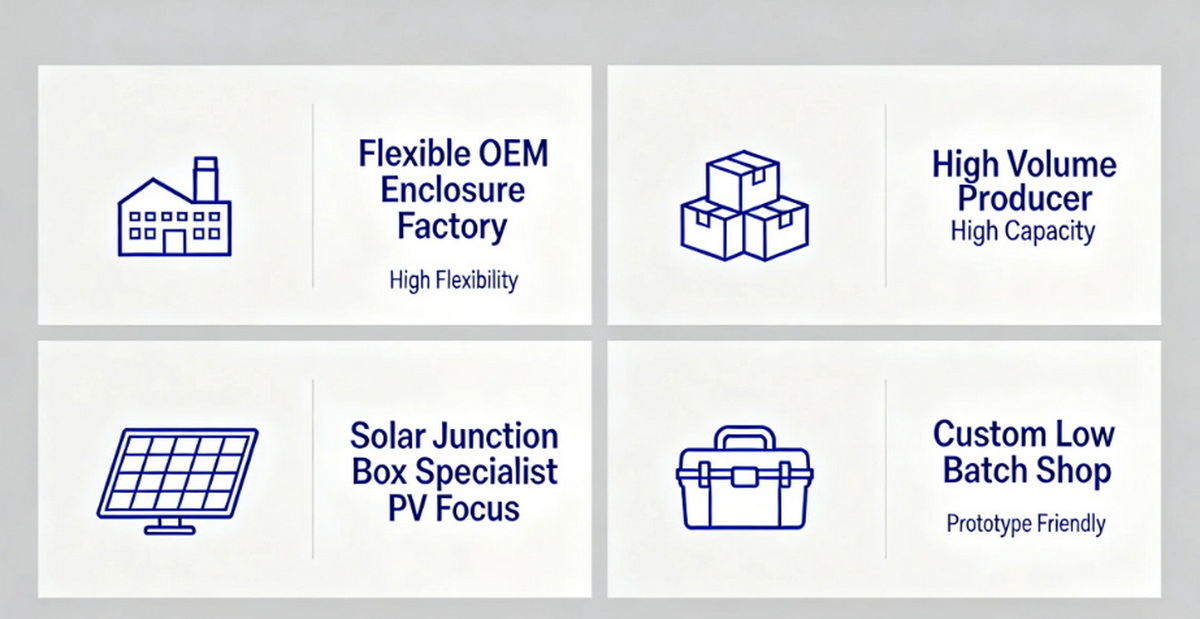
| Supplier type / example | Typical capacity level | Approx. MOQ (junction boxes) | Key certifications focus | OEM/ODM flexibility summary |
|---|---|---|---|---|
| Ningbo Bohui Electric (flexible metal enclosures) tycorun | Medium–high, scalable batches | Flexible, supports small runs tycorun | ISO 9001, CE/RoHS per project tycorun | High: fast sampling, custom design, iterative engineering tycorun |
| Shanghai industrial enclosure group persistencemarketresearch | High, standardized lines | Medium–high | ISO 9001, CE, some UL persistencemarketresearch | Medium: strong on standard ranges, limited on special forms |
| Shenzhen electronics enclosure specialist persistencemarketresearch | Medium–high | Medium | ISO 9001, CE, EMC‑aware persistencemarketresearch | High: good for ODM with electronics integration |
| Zhejiang coastal sheet‑metal maker persistencemarketresearch | Medium | Medium | ISO 9001, CE/RoHS metafuro | Medium: catalog‑driven with custom options |
| Jiangsu high‑volume producer persistencemarketresearch | Very high | High | ISO 9001, UL/CE on main lines persistencemarketresearch | Low–medium: prefers fixed, large‑volume designs |
| Solar‑focused junction box maker tycorun | Medium–high (PV‑specific) | Medium | IEC solar, CE, TUV tycorun | Medium: focused on PV module integration |
| Explosion‑proof junction box supplier omjcasting | Medium | Medium | ATEX/IECEx, CE omjcasting | Low–medium: certification‑driven, slower design changes |
| Modular system enclosure manufacturer tycorun | High | Medium–high | ISO 9001, CE, system‑level persistencemarketresearch | Medium: custom within modular platform |
| Small‑batch custom shop svigloballtd | Low–medium | Very low | Basic ISO or none svigloballtd | Very high: project‑by‑project customization |
- Check business registration
- Ask for the supplier's business license and verify it through China's National Enterprise Credit Information Publicity System (NECIPS) or relevant local AIC sites. [metafuro]
- Confirm the legal name, address, business scope, and registration status match what is shown on quotations and contracts. [metafuro]
- Validate ISO and other quality certifications
- Request clear scans of ISO 9001 (and ISO 14001, ISO 45001, etc. if applicable) and check validity dates and scope. [metafuro]
- Identify the issuing certification body from the logo and certificate number, then verify on the certification body's website or via email that the certificate is still active. [metafuro]
- Confirm product‑level approvals
- For junction boxes sold into the EU or North America, ask for CE, UL, or CB reports where claimed, and verify that the certified models actually match your intended design. [dataintelo]
- For explosion‑proof or solar junction boxes, carefully review ATEX/IECEx or IEC PV standards and check that test reports are issued by recognized laboratories. [linkedin]
- Start with engineering samples
- Share detailed drawings or functional requirements and request samples that closely match the intended production configuration. [svigloballtd]
- Evaluate sheet thickness, welding, door fit, gasket compression, coating uniformity, and hardware quality (hinges, locks, mounting brackets). [dataintelo]
- Use third‑party inspections where needed
- For higher‑value orders, consider pre‑shipment or during‑production inspection by third‑party QA firms with experience in enclosures and electrical products. [svigloballtd]
- Define clear inspection criteria including IP tests, visual inspection standards, and packaging requirements. [svigloballtd]
- Confirm packaging specifications (cartons, foam, pallets, and container stowage plans) to avoid deformation or coating damage during sea freight. [svigloballtd]
- Discuss incoterms (FOB, CFR, DAP) and clarify responsibilities for insurance, customs clearance, and last‑mile delivery in your destination country. [svigloballtd]
- For large cabinets or heavy junction boxes, ensure compliance with local handling and safety rules at the delivery site (forklift access, lifting points, etc.). [persistencemarketresearch]
Pitfall 1: Material downgrading between sample and mass production
Some buyers discover after installation that sheet thickness or stainless grade is lower than agreed because checks focused only on sample pieces. [svigloballtd]
- Mitigation: Define min. thickness and material grade (e.g., 1.5 mm 304 stainless) in the contract, require mill certificates where applicable, and include spot thickness checks in inspection plans. [svigloballtd]
Pitfall 2: Gasket and hardware substitutions
Using cheaper gasket materials or lower‑grade locks may not be immediately obvious but can reduce IP performance over time. [dataintelo]
- Mitigation: Specify gasket material type and brand if critical, and sample the exact hardware to be used for mass production. [dataintelo]
Pitfall 3 (insider): "Silent tooling changes" in year 2–3
A less discussed but common issue is silent changes to internal tooling or bending parameters after 1–2 years to optimize the factory's overall line efficiency, which can slightly change hole positions or tolerances and create integration problems in the field. [svigloballtd]
- Mitigation: Request notification before any tooling or process changes, keep a controlled drawing and revision scheme, and periodically re‑check critical dimensions on new batches.
Pitfall 4: Over‑reliance on price benchmarks from unrelated regions
Comparing junction box prices across very different specifications and standards can drive decisions toward suppliers that cut corners rather than optimizing design and process. [persistencemarketresearch]
- Mitigation: Benchmark on a normalized specification (same material, IP rating, thickness, and hardware) and focus on total cost of ownership including failure risk and warranty claims. [dataintelo]
- Global solar and junction box demand is rising in line with rapid solar and electrification deployments; one recent analysis valued the solar junction box market around USD 1.86 billion in 2025 with continued growth expected through 2034. [linkedin]
- Market research indicates that the electrical enclosure and junction box segments are expected to sustain strong growth into the early 2030s, driven by industrial automation, data centers, and renewable energy. [linkedin]
- For supplier verification, international buyers commonly rely on official Chinese enterprise databases (NECIPS and regional AIC platforms), certification body databases for ISO/CE/UL, and third‑party inspection firms specialized in electrical products. [metafuro]
Referencing these industry sources and tools helps align your internal approval and risk‑management processes with recognized external benchmarks. [metafuro]
Selecting a junction box manufacturer in China is no longer just about comparing unit prices; it requires a structured evaluation of certifications, engineering depth, QC processes, and long‑term delivery stability. Industrial clusters in regions such as Ningbo, Shanghai, Jiangsu, and Guangdong provide strong structural advantages, but individual factory capabilities still vary widely. [tycorun]
For buyers seeking a balance of flexibility, responsive communication, and scalable capacity for metal junction boxes and related enclosures, Ningbo Bohui Electric is a practical reference point and potential partner, particularly for small and mid‑sized brands and system integrators. Whether you shortlist Bohui or other suppliers, the next step is to formalize your specification, request engineering samples, and apply the verification steps and insider checks outlined in this guide to secure a reliable, long‑term junction box supply base. [tycorun]
To tailor this content more closely to your real product mix, do you plan to focus the article mainly on metal junction boxes for power/industrial control, or also cover plastic and solar junction boxes
Ask for a clear copy of the certificate, note the certification body and certificate number, and check the certification body's official website or contact them directly to verify status and validity dates. Cross‑check that the company name, address, and scope match the factory you are dealing with. [metafuro]
Typically, you provide drawings or functional requirements, the supplier develops or adapts the design, and produces 1–5 samples for dimensional and functional review. After sample approval and any required modifications, the factory locks the specification and prepares for mass production, often within 30–45 days for new tooling. [tycorun]
Request IP test reports from recognized laboratories or the supplier's in‑house test records showing test conditions and results. During inspection, visually check gasket continuity, door fit, and compression, and consider doing your own water ingress test on random samples. [dataintelo]
If your product must comply with PV‑specific standards or explosion‑proof regulations (e.g., ATEX, IECEx), you should work with a supplier that already holds relevant approvals and has a proven track record in those applications. Using general‑purpose enclosures in these cases can create certification and liability problems later. [omjcasting]
Maintain controlled drawings and revision histories, specify that any tooling or design changes require written approval, and periodically re‑sample parts from new batches to confirm dimensions and performance. Combining this with clear contract terms and occasional on‑site or third‑party audits helps keep the design stable over multi‑year projects. [svigloballtd]

2026-07-26

2026-07-24


