


Views: 222 Author: Loretta Publish Time: 2026-01-29 Origin: Site


Content Menu
● Why Outdoor Enclosure Cooling Matters for Your Business
● The Hidden Dangers of Heat in Outdoor Enclosures
>> Internal vs. External Thermal Loads
>> How Overheating Damages Electronics
● Understanding NEMA Outdoor Enclosure Ratings (Type 3R, 4, 4X)
>> NEMA Type 3R
>> NEMA Type 4
>> NEMA Type 4X
● Cooling Options for Outdoor Enclosures
>> Filter Fans
>> Air Conditioners for NEMA 3R, 4, and 4X
● High-Efficiency Climate Control: Lessons from Blue e+ Technology
● Step-by-Step Method to Design Your Outdoor Enclosure Cooling
>> Step 1: Define Environment and Application
>> Step 2: Calculate Internal Heat Load
>> Step 3: Choose Enclosure Rating and Cooling Concept
>> Step 4: Optimize Layout and Airflow
● Sector-Specific Use Cases and Best Practices
>> Power and Energy (Substations, Energy Storage Systems)
>> EV Charging and New Energy Vehicles
>> Industrial Automation and Water Pumps
● How Ningbo Bohui Electric Adds Value as Your Outdoor Enclosure Partner
● NEMA Ratings and Cooling Strategies Overview
● Take the Next Step with a Tailored Outdoor Enclosure Cooling Solution
● FAQs About Outdoor Enclosure Cooling
>> 1. Why is cooling so important for outdoor electrical enclosures?
>> 2. When should I choose a NEMA 4X enclosure instead of NEMA 3R or 4?
>> 3. Can I rely only on filter fans for outdoor enclosure cooling?
>> 4. How do advanced systems like hybrid cooling improve efficiency?
>> 5. How do I start designing a proper cooling solution for my outdoor cabinets?
Outdoor electrical and electronic equipment is only as reliable as the enclosure cooling that protects it from heat, moisture, dust, and corrosion. For critical applications in power, telecom, networking, industrial automation, building management, EV charging, water pumps, and energy storage, a strategic climate control plan is now a business necessity, not an option.
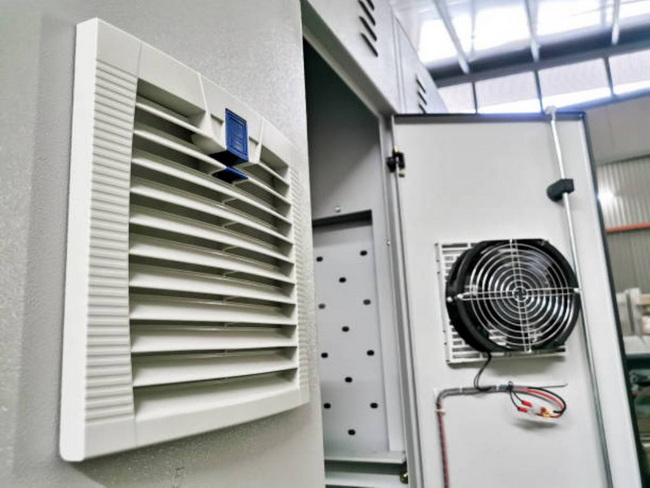
Unplanned downtime caused by overheating electronics directly impacts production, service availability, and revenue. With every 18°F / 10°C rise in operating temperature, the expected life of sensitive electronic components can be cut by up to half, which dramatically increases replacement and maintenance costs.
Heat-related failures can trigger:
- Sudden system shutdowns and service interruptions.
- De-rated power performance where equipment cannot deliver its nominal capacity.
- Trip faults and circuit fluctuations that are hard to diagnose and expensive to fix.
- Voided warranties when devices operate outside rated temperature ranges.
- Product loss and customer dissatisfaction resulting from quality or availability issues.
For companies deploying outdoor cabinets at scale, such as distributed energy storage systems, EV charging stations, or smart pump stations, these issues accumulate into significant operational and reputational risk.
In outdoor applications, most teams focus first on ambient temperature, sunlight, and humidity. However, the more dangerous and often underestimated factor is the internal heat load generated by power supplies, variable frequency drives, inverters, PLCs, batteries, and communication modules.
Key risk amplifiers include:
- High component density that traps hot air and restricts airflow.
- Continuous or near-continuous duty cycles in power and control electronics.
- Direct solar radiation on dark-colored cabinets without sun shields.
Even when outside air feels moderate, internal temperatures can quickly climb to levels that damage PCBs, aging microprocessors, and other sensitive components.
Heat accelerates chemical and physical degradation inside electronic components. At elevated temperatures, insulation materials break down faster, solder joints and connectors are stressed by expansion and contraction, and semiconductor devices drift out of specification and fail prematurely.
This process often starts with small, intermittent malfunctions, then escalates into catastrophic component failure that can stop an entire system without warning.
Selecting the right NEMA enclosure rating is the foundation of any effective outdoor cooling strategy. Climate control solutions must maintain, not compromise, the enclosure's rating for protection against water, dust, and corrosion.
A NEMA 3R enclosure is designed for indoor or outdoor use where protection is needed against:
- Access to hazardous parts by personnel.
- Ingress of solid foreign objects such as falling dirt.
- Rain, sleet, and snow.
- Formation of external ice without damage to the enclosure.
Type 3R is commonly used for many power distribution and control applications where hose-directed water or windblown dust is not a major concern.
A NEMA 4 enclosure adds protection against more demanding conditions, including:
- Windblown dust in addition to falling dirt.
- Rain, sleet, snow, splashing water, and hose-directed water.
- External ice formation without enclosure damage.
Type 4 cabinets are often used in industrial plants, on rooftops, and in washdown areas where equipment may be exposed to pressurized water jets.
A NEMA 4X enclosure provides all the protections of Type 4, plus enhanced corrosion resistance for harsh or coastal environments. It is engineered to protect against windblown dust and moisture, rain, sleet, snow, splashing and hose-directed water, corrosive atmospheres, and external ice formation.
For sectors like food and beverage, marine, and chemicals, Type 4X is often the default requirement for both enclosures and any integrated climate control devices.
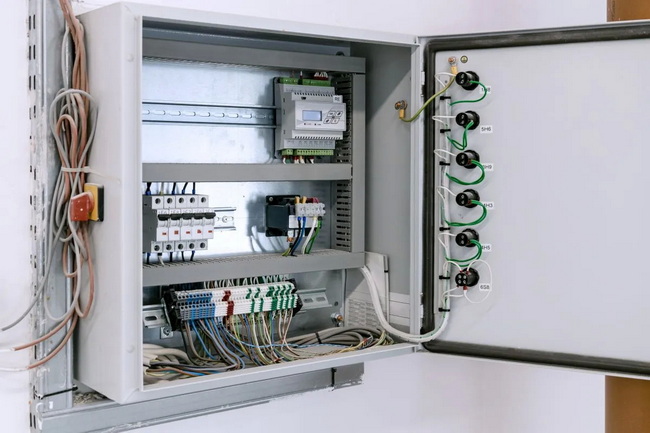
Outdoor enclosures often cannot rely on thermoelectric coolers or air-to-air heat exchangers because they may be insufficient to remove the internal heat load under real-world conditions. Instead, designers typically combine one or more of the following solutions.
Filter fans move ambient air through the enclosure to remove heat, as long as:
- Outside air temperature is lower than the target internal temperature.
- Filtration adequately protects components from dust and contaminants.
Filter fans are suitable for cleaner environments and moderate climates where dust, oil mist, or corrosive gases are minimal.
In many outdoor scenarios, enclosure air conditioners provide the most reliable temperature control. For NEMA 3R, 4, and 4X applications, specialized AC units preserve the enclosure rating while delivering:
- Closed-loop cooling that isolates internal air from harsh external environments.
- Stable operating temperatures even in high ambient heat or direct sun exposure.
- Higher energy efficiency when using modern, optimized designs.
Some cooling units are now engineered to deliver significantly higher energy efficiency compared with legacy designs, which is vital for large-scale deployments and sustainability goals.
Premium outdoor enclosure cooling solutions, such as Blue e+ hybrid technology, illustrate where the industry is heading. These systems show that intelligent climate control can dramatically cut energy use and operating costs while protecting equipment.
Key characteristics include:
- Hybrid cooling technology with up to 75 percent energy savings compared with many conventional units in suitable applications.
- Easy installation that reduces on-site labor and deployment time.
- Maintenance-friendly design with tool-less filter mat replacement.
- Multi-voltage capability that simplifies global standardization.
- Multilingual, intuitive touch display for local configuration and diagnostics.
These features demonstrate that advanced climate control is not just about cooling, it is about system reliability, lifecycle cost, and ease of operation.
To move from rule-of-thumb decisions to a robust engineering approach, use a structured process when designing cooling for outdoor enclosures.
Clarify the following points before selecting any products:
- Operating temperature range, including minimum and maximum ambient values.
- Solar exposure, such as direct sun, partial shade, or full shade.
- Presence of dust, chemicals, salt spray, or washdown conditions.
- Criticality of the load, including acceptable downtime, redundancy, and service level requirements.
Clearly defining these factors helps you select the correct NEMA rating and appropriate cooling technology.
Include all relevant sources of heat:
- Power dissipation of internal components.
- Heat generated by batteries, converters, and drives.
- Additional thermal input from sunlight entering through doors or windows.
This calculation determines the minimum cooling capacity required to maintain safe operating temperatures throughout the year.
Once the environment and heat load are understood:
- Select NEMA 3R, 4, or 4X based on environmental risk and regulatory requirements.
- Decide between open-loop concepts such as filter fans and closed-loop solutions such as air conditioners or heat exchangers.
- Ensure cooling units are certified for use with the selected NEMA rating to avoid compromising protection.
Mechanical and thermal design should be aligned from the beginning:
- Place high-heat components toward directed airflow paths.
- Avoid dead zones and overcrowded areas that trap hot air.
- Reserve space for service access to filters and cooling units.
An enclosure that is thermally optimized from the outset will typically require less cooling capacity and lower long-term energy use.
Real-world applications illustrate how the right outdoor enclosure cooling strategy translates into measurable business outcomes.
High-density power converters and batteries generate substantial internal heat, making stable cooling essential for safety and performance. Closed-loop cooling with high-efficiency air conditioners helps maintain battery life, protect power electronics, and reduce the risk of thermal events.
Outdoor base stations and fiber distribution cabinets demand high availability in all seasons. Intelligent climate control protects sensitive optics and electronics from heat, condensation, and pollutants, improving network uptime and service quality.
EV charging stations often operate in full sun and must deliver reliable service to end users. Integrating appropriately rated enclosures with high-efficiency cooling ensures long-term reliability for power modules, communication equipment, and payment systems.
Remote pump stations and industrial control panels often operate unattended for long periods. Robust cooling solutions with low maintenance requirements minimize site visits, extend equipment life, and keep critical processes running safely.
As a professional outdoor electrical enclosure manufacturer, Ningbo Bohui Electric Co., Ltd. serves power, telecom, networking, industrial automation, construction, energy storage, EV infrastructure, and water pump systems with engineered solutions designed for real-world conditions. The focus is not only on the metal enclosure, but also on how cooling, sealing, and component layout work together as a complete system.
Working with a manufacturer that understands NEMA 3R, 4, and 4X compliance and practical integration of climate control devices allows you to design outdoor systems that are safer, more reliable, and more energy efficient. Expertise in the thermal profiles of power, communication, and control equipment helps reduce downtime, protect sensitive electronics, and lower total cost of ownership.
NEMA Type | Environmental Protection Focus | Typical Applications | Recommended Cooling Approach |
3R | Rain, sleet, snow, falling dirt, and external ice formation. | Power distribution, basic outdoor control panels. | Filter fans in clean environments; outdoor-rated AC units for higher internal heat loads. |
4 | Falling dirt, windblown dust, rain, sleet, snow, splashing water, hose-directed water, and external ice. | Industrial plants, washdown areas, rooftop control panels. | Closed-loop air conditioners rated for NEMA 4; avoid open ventilation where possible. |
4X | All Type 4 protections plus enhanced corrosion resistance. | Coastal, chemical, food and beverage, and marine environments. | Corrosion-resistant cooling units and 4X-rated AC; stainless or coated enclosures with sealed cooling systems. |
If you are planning or upgrading an outdoor enclosure cooling strategy for power, telecom, EV charging, water pumps, or industrial automation, now is the time to align enclosure design and climate control from the start. Ningbo Bohui Electric Co., Ltd. can help you specify the right enclosure ratings, internal layouts, and cooling concepts to match your real-world operating conditions. Contact our technical team today to review your current designs, identify thermal risks, and configure an outdoor electrical enclosure solution that keeps your equipment cool, protected, and profitable throughout its entire service life.
Contact us to get more information!
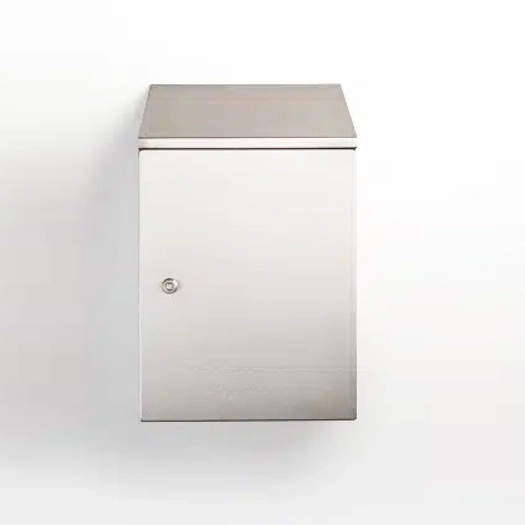
Cooling is critical because even moderate ambient temperatures combined with internal heat sources can quickly push electronics beyond their safe operating range. This leads to accelerated aging, higher failure rates, and costly downtime, especially in power, telecom, and industrial automation applications.
Choose a NEMA 4X enclosure when you face corrosive atmospheres, marine environments, chemical exposure, or regular washdown requirements. In these conditions, you need both strong water and dust protection and long-term resistance to corrosion to protect sensitive electronics and climate control equipment.
Filter fans can be effective where the ambient air is cooler than your target internal temperature and the environment is relatively clean. However, in hot, dusty, or corrosive conditions, or where internal heat loads are high, closed-loop air conditioning is usually a more reliable and safer option for outdoor enclosure cooling.
Hybrid cooling systems combine different cooling principles with intelligent control to match cooling output to real-time demand. This reduces energy consumption, improves temperature stability, and can deliver significantly higher efficiency compared with traditional, single-mode cooling units.
Start by defining environmental conditions and criticality, then calculate internal heat load for all components. Next, select the correct NEMA rating, choose between open-loop and closed-loop cooling concepts, and finally optimize the internal layout for airflow, service access, and future expansion.
1. https://www.rittal.com/us-en_US/Company/Rittal-Stories/The-Cooling-Solutions-You-Need-for-Your-Outdoor-Enclosure

2026-07-26

2026-07-24


