


Views: 222 Author: Loretta Publish Time: 2026-01-29 Origin: Site


Content Menu
● Why Industrial Enclosure Heating Matters
>> Key Benefits of Industrial Enclosure Heating
● How Industrial Enclosure Heaters Work
● Essential Features of Modern Enclosure Heaters
>> Performance in Extreme Conditions
>> Recommended Installation Steps
>> Safety and Compliance Considerations
● Industry Trends and Innovations in 2026
>> Smart and Connected Heating Systems
>> Advanced Materials and Design
>> Focus on Energy Efficiency and Sustainability
● Case Study: Outdoor Power Distribution Enclosure
● Practical Steps for Choosing the Right Enclosure Heater
>> Step 1: Assess the Environment
>> Step 2: Define Performance Requirements
>> Step 3: Select the Heater Type and Form Factor
>> Step 4: Specify Controls and Accessories
>> Step 5: Validate Standards and Certifications
● Expert Insights: Maximizing ROI with Enclosure Heating
● Enclosure Heater Installation Checklist
● Strong Call to Action: Partner With a Specialist
● Frequently Asked Questions (FAQ)
>> 1. What is the ideal temperature range for industrial enclosure heating?
>> 2. How do PTC resistors improve enclosure heater safety?
>> 3. Can enclosure heaters be used in outdoor environments?
>> 4. What are the latest trends in industrial enclosure heating?
>> 5. How often should enclosure heaters be inspected?
Industrial enclosure heating is a critical factor in maintaining the reliability, safety, and efficiency of automation and electrical systems, especially in harsh environments. For manufacturers in power, communications, industrial automation, and emerging sectors like new energy vehicles and energy storage, understanding and implementing advanced enclosure heating solutions can significantly reduce downtime and maintenance costs while boosting productivity.
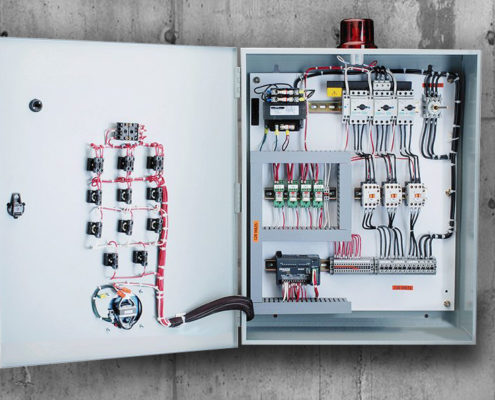
Enclosure heaters protect sensitive electronics from the damaging effects of frost, ice, and condensation. In cold climates or outdoor installations, temperature fluctuations can cause condensation to form inside enclosures, leading to corrosion, electrical shorts, and premature equipment failure. By maintaining a stable internal temperature, industrial enclosure heaters ensure that control systems operate within their optimal range, maximizing uptime and service life.
- Prevents condensation and ice buildup.
- Extends equipment lifespan.
- Reduces unplanned maintenance and repair costs.
- Supports reliable operation in extreme environments.
- Enhances safety and regulatory compliance.
Industrial enclosure heaters use resistive elements, most commonly PTC (Positive Temperature Coefficient) resistors, to convert electrical energy into heat. These resistors automatically adjust their resistance based on temperature, ensuring efficient and safe heating without overheating the enclosure's contents. The heater's thermal output is regulated by thermostats or hygrostats, which monitor internal conditions and activate heating only when necessary.
PTC resistors provide a self-regulating heating effect. As temperature rises, resistance increases, reducing heat output and helping prevent damage to sensitive electronics. This design makes PTC heaters both energy efficient and safe for continuous operation, even in demanding industrial environments.
When selecting an enclosure heater, look for these critical features to ensure reliability, flexibility, and long-term value:
- Continuous thermal output with fan technology for even heat distribution across the enclosure.
- Integrated thermostat or hygrostat for precise temperature and humidity control.
- Energy efficiency with optimized power consumption and minimal heat loss.
- Robust construction such as aluminum housings or corrosion resistant materials for harsh environments.
- Modular design for simple installation, quick replacement, and system scalability.
- Smart controls with options for remote monitoring, alarms, and predictive maintenance.
In applications such as outdoor switchgear, EV charging infrastructure, wind and solar installations, or pump control stations, enclosure heaters must perform reliably at very low temperatures. High quality industrial heaters can be specified to operate in environments down to approximately minus 40 degrees Celsius, delivering stable heating to protect electronics in these severe conditions.
Proper installation is essential for optimal performance, safety, and compliance. A well installed enclosure heater delivers more consistent results, reduces hot spots, and helps avoid component stress.
1. Mount the heater close to the ground. Warm air rises, so a lower mounting position improves heat circulation.
2. Place the heater beneath critical electronics. This supports targeted heating for control boards, relays, and sensitive components.
3. Maintain minimum clearance from the enclosure bottom. A gap of at least 100 mm helps protect cables and improves airflow.
4. Ensure adequate free space around the heater. Avoid blocking airflow with wiring, ducts, or large components.
5. Integrate a thermostat and, where relevant, a hygrostat. Automated control helps maintain optimal temperature and humidity.
6. Verify electrical compatibility. Confirm voltage, power rating, and protection requirements before energizing the system.
7. Calibrate and test. After installation, check temperature profiles, safety devices, and control logic.
Industrial heater installations must always respect local electrical codes and relevant standards. Enclosures may require appropriate ingress protection, grounding, overcurrent protection, and coordination with other thermal management systems such as cooling units or ventilation fans. Regular inspection of wiring, mounting hardware, and control settings is recommended to ensure continued safe operation.
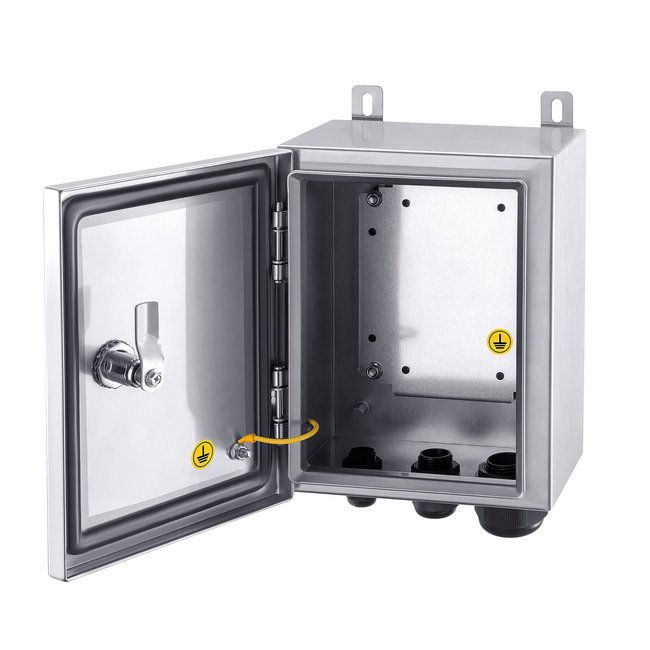
The industrial enclosure heating market is evolving quickly as manufacturers pursue higher efficiency, lower lifecycle cost, and better data visibility. Several trends are particularly important in 2026.
Enclosure heaters are increasingly integrated into broader industrial Internet of Things (IoT) ecosystems. Through smart controllers, sensors, and network connectivity, users can:
- Monitor enclosure temperature and humidity in real time.
- Receive alerts when thresholds are exceeded.
- Analyze trends to predict and prevent failures.
- Remotely adjust setpoints and operating modes.
This connectivity supports condition based maintenance and reduces on site inspection requirements.
New materials such as high performance ceramics, silicone rubber, and enhanced aluminum alloys are improving heater durability and efficiency. Optimized thermal profiles allow more uniform heat distribution, while compact form factors free up space inside the enclosure for additional equipment. These innovations support higher power densities and more demanding operating environments.
As energy prices and sustainability expectations rise, enclosure heaters are being designed to reduce wasted energy. Self regulating PTC elements, intelligent thermostats, staged heating, and improved insulation all contribute to lower power consumption. Many users now evaluate enclosure heating solutions not only on up front cost but also on total cost of ownership and environmental impact.
A regional utility operating outdoor power distribution enclosures in a cold climate experienced frequent condensation related faults in winter. Sensitive electronics suffered from corrosion and intermittent short circuits, resulting in unplanned outages and costly service visits.
The utility upgraded its installation by adding PTC enclosure heaters with integrated thermostats and humidity sensors. The heaters were mounted near the bottom of each cabinet and positioned below the key control equipment. After implementation, condensation related failures were reduced dramatically, maintenance frequency decreased, and equipment life was extended. The modest investment in enclosure heating delivered significant savings in downtime and repair costs.
A structured approach to heater selection ensures that the final solution fits both the application and the budget.
Identify the operating temperature range, humidity levels, exposure to wind or sun, presence of corrosive agents, and whether the installation is indoor or outdoor. Consider how quickly temperatures can change and how often the enclosure door is opened.
Determine the minimum acceptable internal temperature to prevent condensation and protect components. Estimate the heat loss from the enclosure based on its size, material, insulation, and environmental conditions. From this, calculate the required heater power.
Choose between PTC heaters, fan assisted heaters, panel mount heaters, and other options based on:
- Available mounting space.
- Desired airflow and heat distribution.
- Power supply limitations.
- Installation preferences such as DIN rail or panel mounting.
Select suitable thermostats, hygrostats, and control modules. Decide whether you require local mechanical control, digital interfaces, or remote connectivity. Consider adding indicators, alarms, or integration with existing automation systems.
Confirm that heaters and controls comply with relevant industry standards and approvals for your region and application, such as those related to electrical safety, ingress protection, and, where applicable, hazardous locations.
To maximize return on investment, treat enclosure heating as a strategic part of your overall thermal management strategy rather than a simple add on.
- Integrate heating and cooling. Coordinate heaters with cooling units and ventilation to avoid unnecessary energy use and thermal cycling.
- Use smart monitoring. Data from temperature and humidity sensors can guide maintenance scheduling and design improvements.
- Optimize layout. During enclosure design, reserve space for heaters in thermally efficient locations to avoid retrofits.
- Standardize components. Using a consistent family of heaters and controls across sites simplifies inventory, training, and support.
Small improvements in heater selection and layout can produce large gains in system reliability and maintenance efficiency.
The following table summarizes a practical checklist to guide installation teams.
Step | Action | Key Benefit |
1 | Assess site safety and ventilation | Prevents hazards and overheating |
2 | Mount heater near enclosure bottom | Improves heat distribution |
3 | Position heater beneath critical devices | Enables targeted protection |
4 | Maintain at least 100 mm clearance | Supports airflow and safety margin |
5 | Integrate thermostat or hygrostat | Enables automatic control |
6 | Calibrate and test after installation | Confirms reliable performance |
If you are planning a new project or upgrading existing installations, now is the ideal time to optimize your industrial enclosure heating strategy. As a professional electrical enclosure manufacturer, Ningbo Bohui Electric Co., Ltd. can help you specify, design, and integrate enclosure heaters that match your exact application needs in power, communications, networking, industrial automation, building systems, new energy storage, new energy vehicles, pump control, and more. Contact our technical team today to request a tailored enclosure heating proposal, improve the reliability of your systems, and reduce long term maintenance costs.
Contact us to get more information!
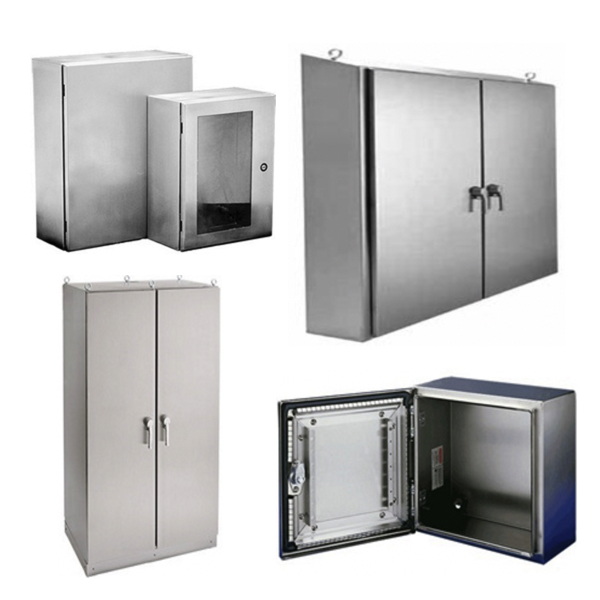
The ideal internal temperature range typically stays a few degrees above the ambient dew point to prevent condensation while remaining within the operating limits of the equipment. Exact values depend on the specific components, but many control systems perform well when the enclosure interior is maintained slightly above room temperature in cold conditions. It is important to review equipment datasheets when defining setpoints.
PTC resistors increase their resistance as temperature rises, naturally limiting current and reducing heat output as the enclosure warms up. This self regulating behavior helps prevent overheating and reduces the risk of damaging sensitive electronics. It also allows heaters to operate more efficiently over time because they only deliver the heat that is actually needed.
Yes, many enclosure heaters are specifically designed for outdoor use and harsh climates. When deploying heaters outdoors, it is important to select models with suitable ingress protection, corrosion resistant materials, and performance ratings down to the lowest expected ambient temperatures. Proper sealing of the enclosure and correct positioning of the heater are also essential.
Recent trends include the adoption of smart controllers, remote monitoring, and IoT connectivity, as well as the use of advanced materials to improve durability and efficiency. There is also a strong focus on energy optimization, with self regulating heating elements and intelligent thermostats becoming more common. Modular, plug and play heater designs are gaining popularity for faster installation and maintenance.
Inspection frequency depends on the criticality of the application, but a practical guideline is to review enclosure heaters at least once or twice per year. Checks should include visual inspection of mounting and wiring, verification of thermostat and hygrostat settings, and basic functional tests. In demanding environments or mission critical systems, more frequent inspections or continuous monitoring may be justified.
1. https://www.rittal.com/us-en_US/Company/Rittal-Stories/What-to-Know-About-Industrial-Enclosure-Heating
2. https://www.cognitivemarketresearch.com/enclosure-heaters-market-report
3. https://www.appliedc.com/trends-to-impact-sustainable-industrial-enclosure-cooling-in-2025/
4. https://www.powerblanket.com/blog/optimizing-temperature-control-a-guide-to-the-enclosure-heater-with-thermostat/
5. https://www.ilecsys.co.uk/knowledge-hub/guide-enclosure-heaters
6. https://indeeco.com/resources/case-studies/

2026-07-26

2026-07-24


