


Views: 216 Author: Bohui Electric Publish Time: 2026-07-01 Origin: Site


Content Menu
● What Do We Mean by "Hiding" an Electrical Enclosure?
● Safety, Codes, and Why You Must Never Fully Block Access
● Step‑by‑Step: How to Hide an Indoor Electrical Enclosure Box (Safely)
>> 1. Start With a Code‑Friendly Plan
>> 2. Use Decorative Covers and Shallow Cabinets
● Hiding Outdoor Electrical Boxes and Utility Enclosures
● Design Considerations From an Industrial Enclosure Expert
● Real‑World Examples: How People Hide Panels at Home
● Advanced Strategies: Integrating Enclosures Into Architectural Design
● UX Best Practices: Making the Hidden Box Easy to Use
● When Should You Not Hide an Electrical Enclosure?
● How Ningbo Bohui Electric Can Support Better Concealment
● Call to Action: Design Your Next Enclosure to Be "Invisible"
● FAQs: Hiding Electrical Enclosure Boxes
>> 1. Is it legal to cover an electrical panel with a picture or cabinet?
>> 2. What is the safest way to hide an indoor breaker box?
>> 3. How can I hide an outdoor electrical box in my yard?
>> 4. Will hiding an enclosure affect its cooling or protection rating?
>> 5. How can industrial facilities integrate enclosures without making them ugly?
You can hide an electrical enclosure box in a way that looks clean and modern without compromising safety, code compliance, or accessibility, by using shallow decorative covers, cabinets, plants, or panels designed around the box rather than directly over it. As an industrial enclosure manufacturer, Ningbo Bohui Electric can also help you plan integrated concealment solutions at the design stage so the box blends into the architecture or equipment layout from day one. [reddit]
In residential or light‑commercial spaces, "hiding" an enclosure usually means visually concealing the door and hardware so it doesn't dominate the wall or yard, while still keeping it easily accessible for inspection and maintenance. In industrial and utility environments, concealment is more about integrating enclosures into equipment lines, cabinets, or control rooms so they are protected, clearly labeled, and visually organized rather than exposed. [acdcecfan]
From my perspective as a content strategist working with B2B manufacturers and facility managers, the real question is not "how do I make the box disappear," but "how do I make it safe, compliant, and visually quiet?" [controldesign]
Before you hang a picture or build a cabinet, you need to understand what is allowed by local codes and best practices. [reddit]
- Electrical panels and industrial enclosures generally require unobstructed working space in front and around the box so technicians can operate breakers and disconnects safely. [controldesign]
- Many electricians will refuse to work on a panel that is blocked by deep furniture, fixed cabinetry, or heavy decor that cannot be easily removed. [reddit]
- DIY covers and decorative frames typically come with a disclaimer: check building codes and use at your own risk. [youtube]
From an industry expert standpoint, hiding should never mean:
- Sealing the enclosure behind a wall or fixed furniture.
- Using screws or nails that penetrate into the enclosure or cable routes.
- Reducing the clearances required by standards such as IEC, UL, or local electrical codes. [kunlonghardware]
Instead, think of concealment as visual masking plus easy access.
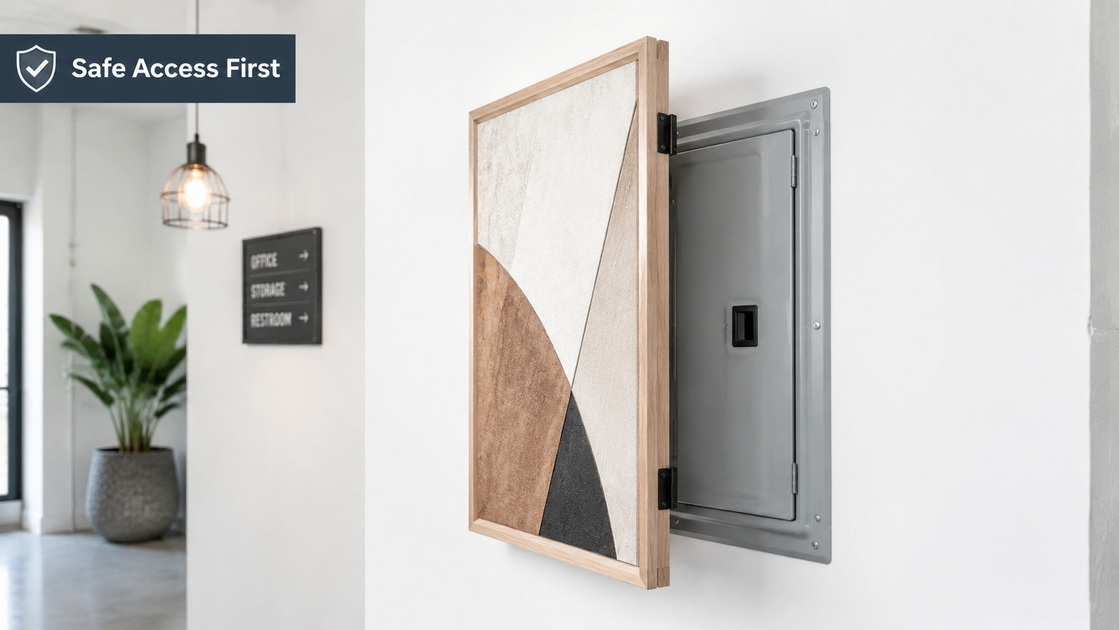
Step 1: Measure the enclosure and required working space.
Measure the width, height, and depth of the box, and note how far it protrudes from the wall. Then check local guidelines or ask an electrician about minimum clearance (typically a defined working radius or depth in front of the panel). [controldesign]
Step 2: Choose a concealment method that is shallow and removable.
Options that regularly appear in home improvement and DIY communities include:
- Canvas artwork, framed posters, or mirrors hung over the box with hooks or on a shallow shelf. [reddit]
- Tapestries, wall hangings, macramé, or fabric panels that can be lifted when needed. [facebook]
- Custom shallow covers built from plywood or decorative wood with hinges, so the "door" swings open like a picture frame. [youtube]
All of these solutions are designed to cover the view, not the functionality.
Many homeowners and small businesses successfully hide panels by building lightweight covers that sit over the enclosure. [youtube]
Practical tips from DIY makers and home design content:
- Build a thin frame sized slightly larger than the panel door, using plywood or trim boards. [youtube]
- Add hinges and a simple latch so the cover opens like a cabinet door. [youtube]
- Leave enough internal depth so the cover doesn't interfere with the enclosure door or handle. [youtube]
If you prefer a cabinet look:
- Use a shallow cupboard or open shelf unit around the panel, ensuring the door can fully open and the working space in front remains clear. [mibor]
- Avoid deep wardrobes or storage units that push the working surface too far from the box; some users report these do not technically meet code and must be removable during inspections. [reddit]
From an industrial manufacturer point of view, this is similar to building secondary enclosing structures—like operator consoles—around a primary enclosure while maintaining access and ventilation. [simcona]
Outdoor enclosures for power, telecom, or networking are often visual "eyesores" in yards and building exteriors. Here, the best concealment techniques are landscaping and lightweight structures. [thebackyardrocks]
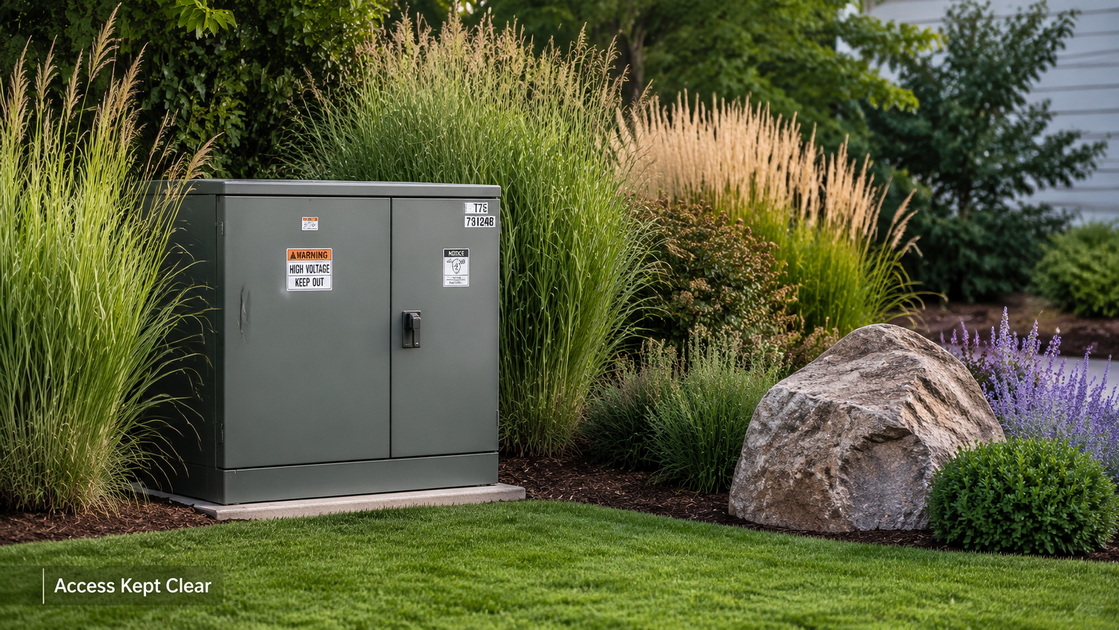
Effective, code‑friendly methods include:
- Tall shrubs and grasses planted to screen the enclosure while leaving space at the back or side for technicians. [housedigest]
- Planters and decorative pots positioned to draw the eye away from the box, often combined with a small shelf above the enclosure. [housedigest]
- Faux rocks or decorative covers that sit over ground‑mounted boxes, designed to be lifted easily for access. [mibor]
- Freestanding screens or dividers, which can be moved whenever maintenance is required. [housedigest]
As a sheet‑metal enclosure manufacturer, Ningbo Bohui can coordinate with architects and landscape designers so that industrial‑grade outdoor enclosures are ordered with neutral colors, corrosion‑resistant finishes, and mounting accessories that blend into building facades or equipment yards. [kunlonghardware]
From the perspective of industrial electrical enclosure design, hiding a box is not just aesthetic—it directly affects performance, safety, and lifecycle costs. [acdcecfan]
Key design considerations include:
- Material and finish: Powder‑coated sheet metal in colors that match walls or equipment lines can significantly reduce visual impact. [acdcecfan]
- Ingress protection (IP) and NEMA ratings: Any decorative structure must preserve airflow, drainage, and environmental protections (dust, moisture, corrosive atmospheres). [simcona]
- Door orientation and handle design: Recessed handles, flush doors, and compact hinges make it easier to cover boxes with shallow panels. [kunlonghardware]
- Label visibility: Safety labels and circuit IDs must remain visible or be replicated on the decorative cover; obscuring labels can lead to maintenance errors. [simcona]
For sectors like power distribution, telecom, EV charging, and industrial automation, Ningbo Bohui can help customers choose enclosure geometries and mounting positions that naturally reduce visual clutter—such as integrating enclosures into control cabinets or equipment skids instead of stand‑alone wall boxes. [kunlonghardware]
User feedback on home décor and improvement forums highlights many practical, tested ideas: [reddit]
- A tall canvas painting hung with thumb tacks or removable hooks directly over the box. [reddit]
- A wall mirror mounted on a narrow shelf below the box so it can be lifted off when needed. [reddit]
- A macramé wall hanging that visually softens the panel while remaining light and removable. [facebook]
- A freestanding wardrobe or cabinet without a back panel, rolled in front of the box and moved when inspections are required. [reddit]
- A decorative DIY wooden panel with hinges and magnet, built from fence posts or plywood, stained to match existing décor. [youtube]
These examples reinforce three UX principles:
1. Accessibility first – all covers must move or open quickly.
2. Consistent visual language – choose materials and colors that match your interior or landscape.
3. Minimal interference – covers should be shallow, light, and non‑structural.
For new buildings, industrial facilities, or large commercial projects, the most effective way to hide electrical enclosures is to design them into the architecture from the beginning. [acdcecfan]
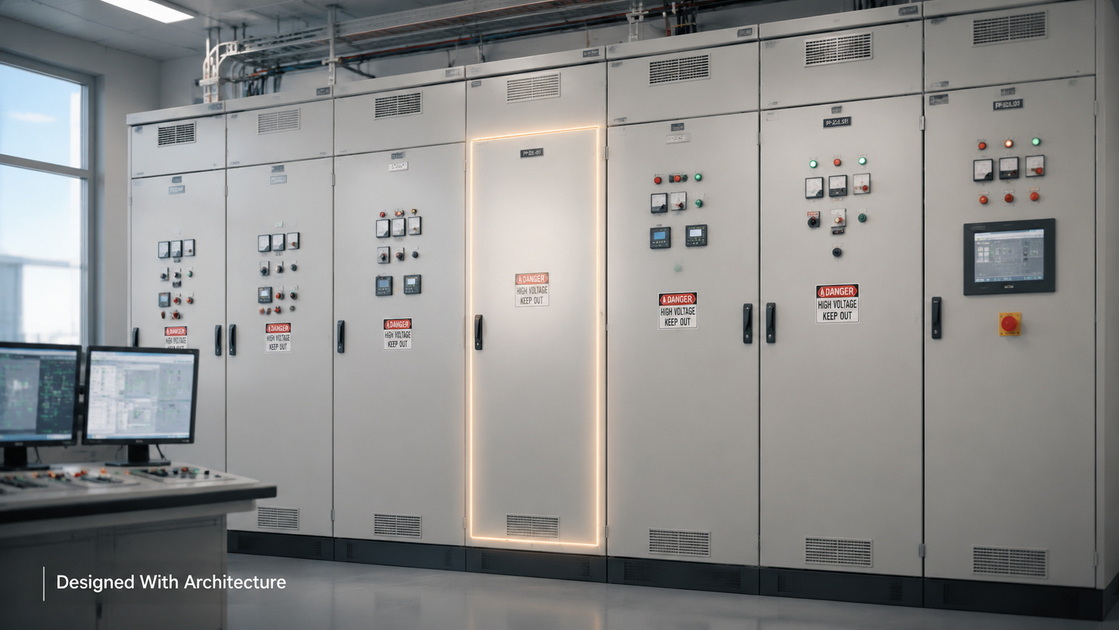
From an industry expert perspective, best practices include:
- Locating main panels in dedicated electrical rooms, equipment corridors, or service closets instead of the most visible walls.
- Using flush‑mounted enclosures that sit even with the wall surface, allowing drywall or cladding to meet the door edges cleanly. [acdcecfan]
- Coordinating color palettes between enclosures, doors, and wall systems—often choosing neutral grays or matching RAL colors. [kunlonghardware]
- Specifying modular enclosure systems that can be stacked or grouped, making it easier to conceal them behind consistent doors or panels. [simcona]
Manufacturers like Ningbo Bohui can work directly with OEMs and contractors to provide custom sheet‑metal designs, cut‑outs, and mounting accessories that support these architectural goals while meeting electrical standards. [kunlonghardware]
From a UX standpoint—thinking of the electrician, maintenance technician, or homeowner—the "hidden" enclosure still needs to offer a predictable, low‑friction interaction. [controldesign]
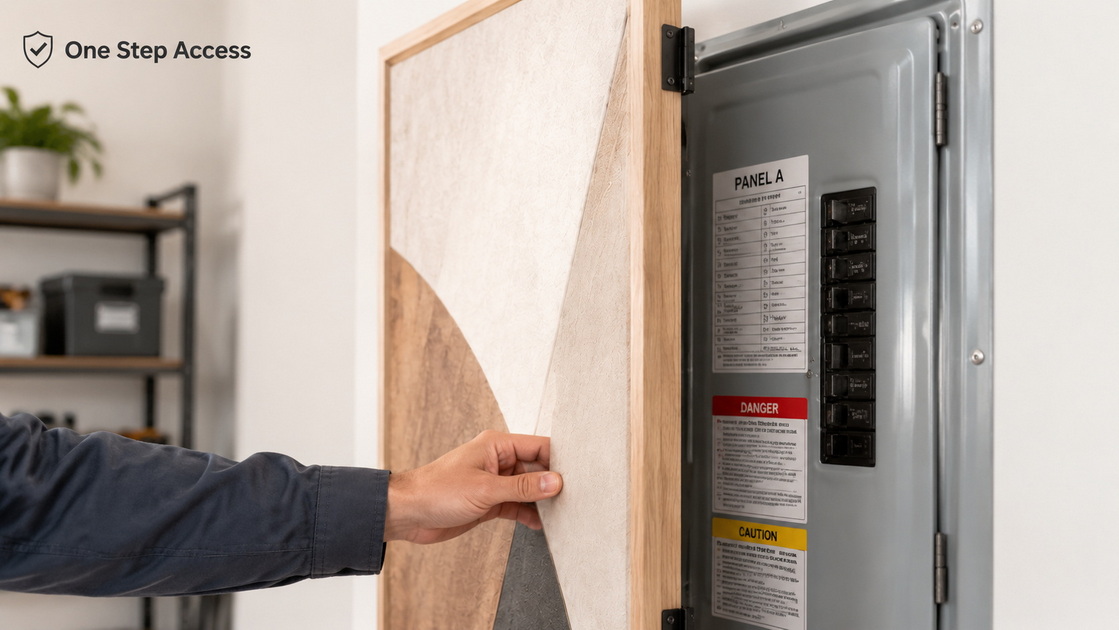
Good UX around hidden electrical boxes generally means:
- Clear affordance: Handles, hinges, or visible seams that make it obvious the cover opens.
- One‑step access: Avoid multi‑layer covers; ideally, a single door or panel reveals the enclosure. [youtube]
- No surprises inside: Enough space around the door so fingers and tools aren't pinched by decorative structures. [simcona]
- Consistent labeling: Circuits, danger symbols, and maintenance instructions must remain readable. [controldesign]
For industrial clients, this translates into human‑centred enclosure design—positioning panels at ergonomic heights, using intuitive handles, and maintaining standard layout patterns even when the boxes are visually integrated into larger cabinets or machines. [acdcecfan]
Despite all the clever DIY ideas, there are scenarios where hiding an enclosure is not recommended: [reddit]
- Critical utility boxes that emergency responders must locate quickly.
- High‑heat or high‑load panels where additional covers could affect ventilation. [simcona]
- Enclosures in public or industrial spaces where concealment might cause confusion or delay during emergencies. [controldesign]
In these cases, you can still reduce visual impact by:
- Painting the enclosure the same color as the wall or structure. [mibor]
- Choosing clean, modern hardware that looks intentional and industrial rather than improvised. [acdcecfan]
- Organizing cables and conduits neatly so the area appears professional rather than cluttered. [simcona]
As a manufacturer specialized in industrial electrical enclosures for sectors like power, communications, networking, smart manufacturing, buildings, energy storage, EV, and pumping systems, Ningbo Bohui Electric is well positioned to help customers design enclosures that are both robust and visually integrated. [kunlonghardware]
Typical support we provide includes:
- Custom sheet‑metal geometries that recess into walls or machinery, making concealment easier.
- Finish options and branding to match interior or exterior design while maintaining corrosion resistance. [kunlonghardware]
- Integration with mounting frames, cabinets, or control consoles, enabling structured concealment that stays code‑compliant. [acdcecfan]
For architects, facility managers, and OEMs, working with a specialist manufacturer at the design stage is the most reliable way to ensure the enclosure is "hidden in plain sight"—visible enough for safety, but visually calm and professional.
If you are planning a new facility, upgrading panels, or designing equipment for sectors like power, telecom, EV, or industrial automation, now is the time to think about concealment and UX—not after the enclosure is already on the wall.
Contact Ningbo Bohui Electric to:
- Discuss custom enclosure designs that integrate seamlessly into your architecture or machinery.
- Choose finishes, dimensions, and accessories that support safe, attractive concealment.
- Ensure your boxes remain accessible, compliant, and visually clean across power, communication, networking, smart manufacturing, building, energy storage, EV, and pumping applications. [kunlonghardware]
Design the enclosure right the first time—and you may never need to "hide" it again.
It depends on local codes, but most regulations require clear working space and easy access; deep cabinets or fixed obstructions are often not allowed. [reddit]
Use a shallow, removable cover such as a framed artwork, mirror, or hinged decorative panel that does not reduce the working clearance in front of the box. [reddit]
Combine shrubs, tall grasses, planters, faux rocks, or freestanding screens placed so technicians can still reach the box from one side. [mygardenlife]
If a decorative structure restricts airflow, traps moisture, or interferes with doors and seals, it can negatively affect performance and IP/NEMA ratings; designs must respect manufacturer specifications. [acdcecfan]
By planning enclosures into electrical rooms, control cabinets, and equipment lines, using flush‑mounted designs, coordinated colors, and clear labeling while maintaining safety clearances. [simcona]
1. Reddit – Home Improvement discussions on concealing electrical panels and code considerations. https://www.reddit.com/r/HomeImprovement/comments/qo4nol/best_way_to_conceal_an_electrical_box_and_wires/
2. Reddit – Home Decorating threads on covering breaker boxes with tapestries, artwork, and mirrors. https://www.reddit.com/r/HomeDecorating/comments/1cixa8w/help_me_cover_my_electrical_box/
3. Reddit – DIY ideas for hiding wall‑mounted electrical boxes with shelves and decor. https://www.reddit.com/r/HomeDecorating/comments/1my07lw/ways_to_hide_electrical_box/
4. Facebook – Home design group suggestions on hiding electrical boxes using framed pictures and plants. https://www.facebook.com/groups/homedesign/posts/2087699938619515/
5. House Digest – DIY strategies to hide outdoor electrical boxes with shrubs, planters, and screens. https://www.housedigest.com/2066152/hide-outdoor-electrical-box-eyesores-diy-ideas/
6. MIBOR – Article on tricks to hide utility boxes using paint, plants, faux rocks, and cabinets. https://www.mibor.com/blog/2023/06/25/buyers/5-tricks-to-hide-ugly-utility-boxes/
7. My Garden Life – Tips for hiding yard utility boxes with grasses and other landscaping strategies. https://mygardenlife.com/how-to/4-tricks-for-hiding-utility-boxes
8. DIY Electrical Panel Cover Tutorial – Video demonstrating building a decorative hinged cover for a breaker box. https://www.youtube.com/watch?v=nwOFSuwIciI
9. Brilliant DIY to Hide an Ugly Electrical Panel – Video showcasing a functional decor cover for an electrical panel. https://www.youtube.com/watch?v=dsYeXGoIANQ
10. Kunlong Hardware – Electrical enclosure design guide covering sheet‑metal enclosures and design best practices. https://www.kunlonghardware.com/electrical-enclosure-design-guide/
11. Simcona – Electrical panel enclosure design tips focusing on safety and reliability. https://simcona.com/blog/electrical-panel-enclosure-design
12. Control Design – Recommendations for enclosure design, codes, and future‑proof planning. https://www.controldesign.com/control/enclosures/article/11293823/5-recommendations-for-enclosure-design
13. ACDC ECFan – Walkthrough of electrical enclosure design fundamentals and best practices. https://www.acdcecfan.com/electrical-enclosure-design/
14. The Backyard Rocks – Guide on concealing electrical boxes in the yard. https://www.thebackyardrocks.com/concealing-electrical-boxes-for-a-flawless-yard-how-to-hide-an-electrical-box-in-the-yard/

2026-07-26

2026-07-24


