


Views: 222 Author: Amanda Publish Time: 2026-02-15 Origin: Site


Content Menu
● Why Hidden Junction Boxes Are a Serious Problem
● Safety First: Essential Precautions Before You Start
● Step 1: Confirm the Circuit Really Is Dead
● Step 2: Identify the Last Working and First Dead Device
● Step 3: Use a Circuit Tracer or Tone Generator
● Step 4: Combine Stud Finders, EMF Meters, and Thermal Imaging
● Step 5: Inspect Existing Device Boxes and Ceiling Fixtures Thoroughly
● Step 6: Pinpoint Likely Hidden Locations Before Cutting
● Step 7: Once Found – Make the Junction Box Code-Compliant
● Advanced Tools and Techniques Electricians Use
● Typical Real-World Scenarios and What They Reveal
● Best Practices to Avoid Hidden Boxes in Future Projects
● Targeted Call to Action: Protect Your Property and Circuits
● FAQs About Finding Hidden Junction Boxes
>> 1. Is it legal to have a junction box behind drywall?
>> 2. Can I use a stud finder to locate a hidden junction box?
>> 3. Will a thermal camera always show a hidden junction box?
>> 4. Should I cut open the wall immediately to find the box?
>> 5. Do I need an electrician, or can I do this myself?
When a circuit suddenly goes dead and you cannot find the junction box, you are dealing with both a safety issue and a code-compliance problem that needs systematic troubleshooting, not guesswork. This guide walks you through a step-by-step “detective method” using modern tools and professional techniques to locate hidden junction boxes with minimal damage to walls and ceilings.
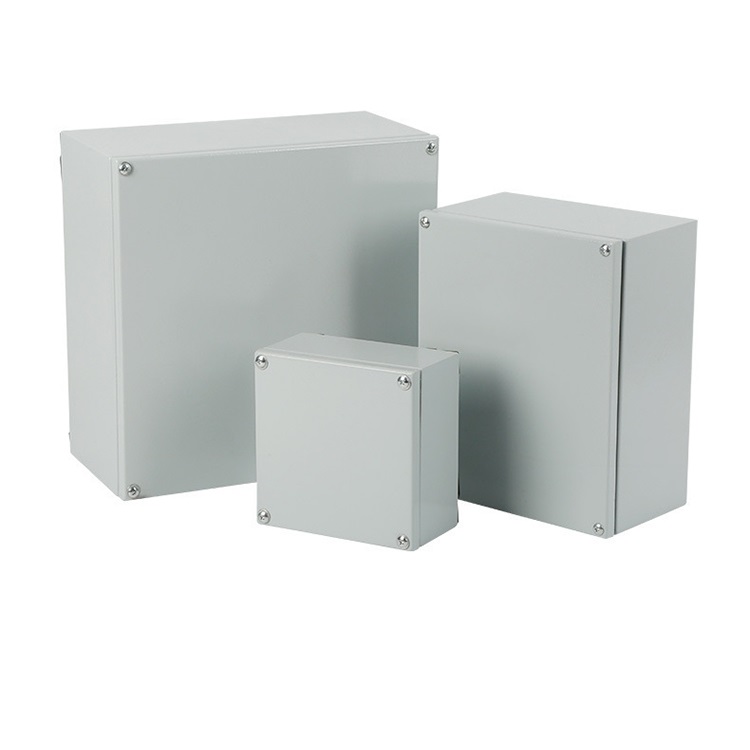
A junction box that is buried behind drywall or permanently blocked is more than an inconvenience; it can create fire risk, failed inspections, and expensive repairs.
- Hidden boxes often contain overheated splices, loose connections, or damaged insulation that you cannot see or service.
- Electrical codes require junction boxes to remain readily accessible, meaning no removal of building finishes or structural parts is needed for access.
- If one box becomes inaccessible, all downstream boxes may effectively become inaccessible for safe maintenance and troubleshooting.
For homeowners, this usually shows up as a dead outlet run, half a room with no power, or a lighting circuit that suddenly stops working after renovation work or drywall repair.
Before you play “circuit detective,” you need to make the work environment safe and controlled.
- Turn off power at the main breaker or at least at the affected circuit breaker before opening boxes or handling conductors.
- Use a non-contact voltage tester to confirm conductors are de-energized at each device before touching wires.
- Wear appropriate PPE: safety glasses, insulated gloves rated for electrical work, and non-conductive footwear.
- Keep metal ladders, jewelry, and conductive tools away from live parts if you must perform energized testing with a qualified electrician.
If you are not comfortable working near electrical wiring, the safest option is to call a licensed electrician who has the right tools and experience for this kind of troubleshooting.
Before hunting for a hidden junction box, confirm that the circuit itself is truly dead and not simply misidentified.
1. Reset the breaker for the affected circuit and see whether it immediately trips again. A persistent trip indicates a short or ground fault that may be related to a bad splice in a concealed box.
2. Use a plug-in outlet tester or multimeter to verify that no outlets or lights on that run are energized.
3. Map which devices are dead and which still function. The “border” between live and dead devices often points toward the missing junction box location.
Tip: Create a simple sketch of the room, marking live and dead receptacles and fixtures. This visual map will guide your detective work in later steps.
Hidden junction boxes are usually located somewhere between the last working device and the first dead device on a branch circuit.
- Test each receptacle, switch, and light fixture on the suspected circuit. Note the last point where power is present.
- The box that feeds multiple dead devices is often either: a device box (switch or light) hiding multiple outgoing cables behind the cover, or a concealed junction box behind drywall, cabinets, or built-ins.
- In some homes, outlets are fed from overhead ceiling boxes, so the critical splice may be above the ceiling light rather than behind an outlet.
This step narrows your search zone from “somewhere in the house” to a manageable section of wall, ceiling, or nearby framing bay.
A circuit tracer or tone generator is one of the most effective tools for locating a hidden junction box on a dead circuit.
- Plug the transmitter into a dead receptacle or connect it to the dead conductors in a box (hot and neutral, or hot and ground) as the instructions specify.
- Use the handheld receiver to scan the wall, ceiling, or floor along the suspected cable path, following the strongest signal.
- Where multiple dead outlets share continuity yet appear to have single-cable feeds, follow each cable path with the tracer; the location where signals converge is often the hidden junction point.
Pro tip: Some professional electricians set the tracer to high sensitivity first to locate the general route, then lower sensitivity to precisely home in on the strongest signal, which often corresponds to a box or concentrated splice area.
Electronic stud finders and thermal tools can help you reduce unnecessary demolition.
- Use a stud finder with live-wire or metal detection to scan for anomalous metal patterns (like a metal box) along the suspected cable route.
- An EMF meter or stud finder with electrical detection can sometimes track live or partially energized conductors through drywall, although performance varies by depth and construction.
- With thermal imaging or an infrared thermometer, you can connect a load at the end of the circuit and briefly energize it; the warming conductor can appear as a warmer streak leading toward the hidden splice.
These methods are most effective in drywall or lightweight partitions; thick masonry and dense insulation may reduce accuracy, so treat them as guidance rather than absolute proof.
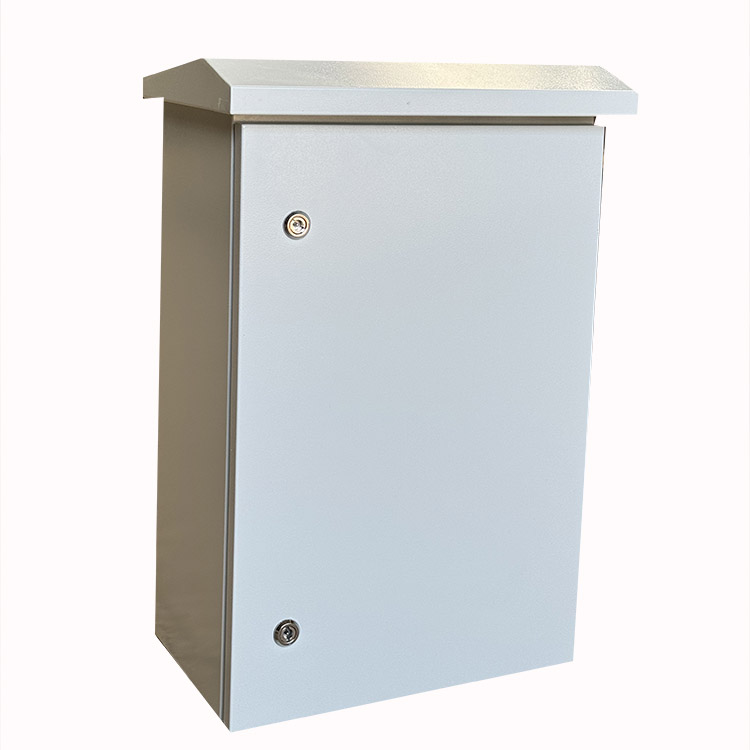
Sometimes the “hidden junction box” is not an extra box at all; it is a ceiling light or switch box overloaded with splices.
- Turn off the power and remove the cover plates of switches, receptacles, and light fixtures near the dead zone.
- Look for boxes that have multiple cables entering and leaving, especially where three or more branches come together.
- Check for back-stabbed connections, loose wire nuts, or signs of overheating that could open the circuit to downstream loads.
In many troubleshooting cases, electricians find that ceiling light boxes are acting as de facto junction points for entire runs of outlets, and a single failed connection there kills power to multiple devices.
Only after you have narrowed down the target area should you consider opening the wall or ceiling.
- Focus on logical routing paths: above or below a line of outlets, directly between two back-to-back devices, or near corners where several runs converge.
- Consider recent remodeling: new cabinets, built-ins, tiled walls, or relocated doors may have covered old junction boxes.
- Use small exploratory holes (for example, a 1–2 inch inspection hole) and a borescope camera if available to confirm the presence of a box before cutting a larger opening.
By combining mapping, electronic tracing, and limited exploratory openings, you can often find hidden boxes with minimal repair work instead of tearing out large sections of drywall.
Locating the hidden junction box is only half the job; you now must correct the violation and restore safe access.
- Ensure the box is properly sized for conductor fill and securely supported according to local electrical codes.
- Repair or remake all splices using listed wire connectors, correct stripping lengths, and proper grounding or bonding for metal boxes.
- Provide a readily accessible cover: install a blank cover plate flush with finished surfaces, or create a dedicated access panel in cabinetry or an accessible ceiling.
The goal is to leave the junction box clearly visible and serviceable so future maintenance and inspections can be performed safely and quickly.
Professional electricians often bring specialized tools and workflows that significantly speed up the detective process.
- Professional circuit tracers with adjustable sensitivity for tracing de-energized or energized conductors through walls and floors.
- High-resolution thermal cameras to spot hot connections, overloaded splices, or cable runs under load.
- Endoscopes/borescopes that can be fed through small holes or existing openings to visually confirm cable bundles and box locations.
Experienced troubleshooters also know typical wiring patterns for different eras of construction, helping them “read the building” and predict where a hidden junction box is most likely hiding.
Hidden junction boxes usually appear in a few recurring situations.
- Kitchen remodels: old outlet or lighting junctions buried behind new cabinets, tile backsplashes, or range hoods.
- Basement finishes: existing boxes covered by new drywall when converting open basements into living space.
- Ceiling changes: old ceiling fan or light locations patched over when fixtures are relocated.
In all these cases, following the cable path and paying attention to where multiple loads converge will often point directly at the concealed box location.
The best way to deal with hidden junction boxes is to avoid creating them in the first place.
- Plan junction box locations where covers will remain visible, such as in closets, unfinished basements, utility rooms, or accessible ceiling panels.
- Keep adequate clear working space in front of major electrical equipment and ensure junction box covers can open fully without obstruction.
- When remodeling, relocate or extend circuits properly rather than burying existing boxes; if in doubt, have a licensed electrician redesign the branch circuit routing.
Good planning protects both safety and serviceability, and it prevents expensive detective work later when circuits fail.
Tool type | Primary use | Strengths | Limitations |
Circuit tracer / tone generator | Trace dead or live circuits through walls | Accurate routing, non-destructive, works over distance | Requires learning curve, metal or dense construction can interfere |
Stud finder with wire detection | Locate studs and possible cables/boxes | Low cost, easy for homeowners, quick scanning | Limited depth, may give false positives or miss deeply buried boxes |
Thermal camera / IR thermometer | Spot hot wires and bad splices under load | Visual “heat map,” can reveal overheating and routing | Needs load applied, less effective in well-insulated or uniform-temperature walls |
Borescope / inspection camera | Visual confirmation inside cavities | Minimal opening required, direct visual check | Limited field of view, insulation can block sightlines |
If you are dealing with a dead circuit or suspect you have a hidden junction box, do not leave the problem unresolved. Electrical faults can worsen over time, damaging wiring, creating fire hazards, and leading to costly unplanned outages. Contact a qualified, licensed electrician to trace the circuit, locate any concealed junction boxes, and bring all splices and enclosures back into full code compliance. Taking action now ensures safer wiring, smoother inspections, and long-term reliability for every circuit in your home or building.
Contact us to get more information!
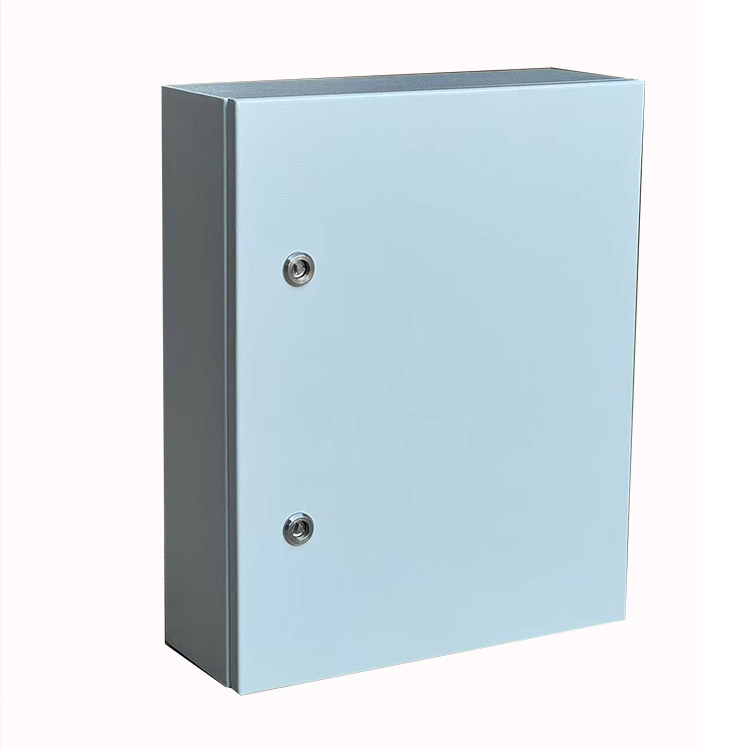
In most areas that follow modern electrical codes, junction boxes are required to be readily accessible and cannot be permanently buried behind drywall or other fixed finishes. A box hidden behind drywall with no access panel is typically considered a violation and should be corrected by making it accessible or relocating the wiring properly.
Some stud finders can detect metal and live wires, which may help you approximate the location of a box, especially if it is metal or has strong wiring nearby. However, these tools can produce false readings and do not guarantee precise box location, so they are best used together with circuit tracers, mapping, and visual inspection.
A thermal camera can reveal warm spots caused by current flowing through conductors or poor splices when the circuit is under load. If the circuit is completely dead, lightly loaded, or insulated heavily, the temperature difference may be too small to detect reliably, so thermal imaging is not a guaranteed solution.
Cutting the wall should be a last resort after mapping the circuit, using tracers and detectors, and inspecting all accessible boxes and fixtures. Strategic small exploratory cuts guided by your detective work reduce repair costs and the risk of still missing the actual box that is causing the problem.
Experienced DIYers with a solid understanding of electrical safety can perform basic mapping and non-invasive testing using simple tools. However, any work involving live circuits, complex tracing, or code-compliant repairs to junction boxes is best handled by a licensed electrician who understands local regulations and safe installation practices.
1. https://viox.com/how-to-find-hidden-junction-box-dead-circuit-detective-method/
2. https://viox.com/can-junction-boxes-be-behind-drywall/
3. https://viox.com/nec-code-for-junction-boxes/
4. https://kdmfab.com/what-is-nec-code-for-junction-boxes/
5. https://www.idealind.com/us/en/about-us/news-and-events/how-to-use-a-circuit-tracer-to-locate-a-dead-short-.html
6. https://www.parkerandsons.com/blog/your-shockingly-simple-guide-to-finding-electrical-shorts-at-home
7. http://thecircuitdetective.com/sparkies.php
8. https://www.youtube.com/watch?v=q3UlKhOrC_k
9. https://www.youtube.com/watch?v=hC1gnvYRRBQ
10. https://www.reddit.com/r/electrical/comments/1f5fssr/how_to_track_down_a_hidden_junction_box_probably/

2026-07-26

2026-07-24


