


Views: 222 Author: Amanda Publish Time: 2026-02-04 Origin: Site


Content Menu
● What Is an Electrical Junction Box with Terminals?
● Key Benefits of Junction Boxes with Terminals
● Terminal Configurations and Capacity
>> Terminal Types and Connection Methods
● Materials: Plastic, Metal, and Fiberglass Enclosures
>> Material Selection Snapshot
● Protection Ratings: IP and Environmental Performance
● Current Ratings and Typical Applications
● Installation Best Practices and Professional Guidance
● How to Choose the Right Junction Box with Terminals (Step-by-Step)
● Industry Use Cases: From Power to New Energy
● When to Use Junction Boxes with Terminals vs. Other Box Types
● Why Work with a Specialized Electrical Enclosure Manufacturer
● Clear Call to Action: Start Your Next Project with Confidence
● Frequently Asked Questions (FAQ)
>> 1. What is the main purpose of a junction box with terminals?
>> 2. How do I know what IP rating I need?
>> 3. Can I install a high-current junction box myself?
>> 4. Which material is best for outdoor applications?
>> 5. What factors should I consider when selecting terminals?
Choosing the right electrical junction box with terminals is critical for safe, efficient, and code-compliant power distribution in modern electrical, industrial, and energy systems. This guide explains terminal configurations, materials, protection ratings, applications, and expert selection tips to help engineers, installers, and buyers make confident decisions.
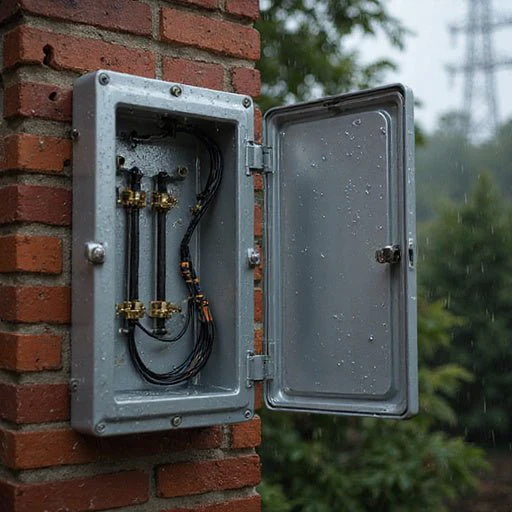
An electrical junction box with terminals is an enclosure that houses terminal blocks used to connect, branch, and protect multiple electrical conductors in a safe, organized way. It combines the protective function of a junction box with the wiring convenience and reliability of integrated terminals for cleaner installations and easier maintenance.
These enclosures are widely used in power distribution, industrial control panels, building wiring, renewable energy systems, and field instrumentation where multiple cables must be joined or routed. A properly specified junction box with terminals improves safety, simplifies troubleshooting, and supports future expansion.
- Safe protection of live connections from dust, moisture, accidental contact, and mechanical impact.
- Organized wiring with clearly arranged terminal blocks that reduce clutter and error risk.
- Faster installation compared with loose splices, especially in multi-core or multi-circuit systems.
- Easy inspection and maintenance thanks to accessible, labeled terminals instead of hidden joints.
- Scalability by adding or reconfiguring terminals as loads or circuits change.
Terminal configurations directly determine how many cables and circuits your junction box can handle. A well-chosen configuration ensures you have enough connection points today, with buffer capacity for future modifications.
Typical junction boxes with terminals provide 3–6 terminals, allowing several cable cores to be joined in a single enclosure. More terminals increase the number of outgoing circuits that can safely branch from one feed, improving design flexibility in distribution networks and control systems.
Main terminal blocks are often rated for mixed cross-sections, for example, 2 × 25 mm² + 2 × 16 mm² per pole. This lets installers combine feeders and smaller branch conductors on the same block while staying within thermal and mechanical limits. It is especially important in panels serving mixed loads such as motors, lighting, and instrumentation.
- Screw terminals: Traditional, robust, suitable for a wide range of cable sizes, but require periodic re-torquing in vibration-prone environments.
- Spring / push-in terminals: Faster installation and vibration-resistant, ideal for control wiring and high-density terminations.
- Bolt-on or stud terminals: Used for higher current and larger cross-sections in power distribution and motor circuits.
For field installations in harsh conditions, terminals with secure clamping and clear marking significantly improve reliability and reduce wiring errors.
The material of your junction box with terminals affects durability, corrosion resistance, weight, and cost, and should match the environment and safety requirements of your project.
Plastic boxes, typically PVC, polycarbonate, or ABS, are lightweight, cost-effective, and inherently non-conductive, providing excellent electrical insulation. They are widely used indoors and outdoors for general electrical, automation, and low-voltage applications where mechanical impact is moderate.
- Advantages: Corrosion resistance, low weight, easy handling, no need for enclosure grounding.
- Limitations: Lower impact resistance and potential deformation under high temperatures compared with heavy-gauge metal or reinforced designs.
Metal enclosures, such as steel, aluminum, or stainless steel, provide superior mechanical strength and are preferred in industrial plants, workshops, and environments with high impact or fire risk. They also support intentional grounding of the enclosure, which enhances fault protection when correctly integrated into the earthing system.
- Advantages: High durability, better fire performance, excellent electromagnetic shielding when required.
- Limitations: Heavier, usually more expensive, require proper anti-corrosion treatment in aggressive atmospheres.
Fiberglass-reinforced enclosures provide a balance between plastic and metal, offering high strength, low weight, and excellent resistance to moisture and chemicals. They are non-conductive and often chosen for outdoor, marine, chemical, and renewable energy environments where corrosion is a major concern.
- Advantages: Strong, corrosion-proof, non-conductive, stable across wide temperature ranges.
- Limitations: Typically higher cost than basic plastic, may require care during machining to avoid fiber exposure.
Material | Typical Use Cases | Key Advantages |
Plastic (PVC/PC/ABS) | Indoor wiring, light-duty outdoor, control boxes. | Lightweight, economical, corrosion-resistant. |
Metal (steel/aluminum) | Industrial plants, machinery, high impact areas. | High strength, fire resistance, shielding. |
Fiberglass | Outdoor, chemical plants, marine, renewables. | Non-conductive, corrosion-proof, robust. |
Junction boxes with terminals must match the environmental conditions of the installation to remain safe and reliable over time. The ingress protection, or IP rating, is the primary indicator of dust and water resistance.
For example, an IP67 junction box offers complete protection against dust and withstands temporary immersion in water, which makes it suitable for demanding outdoor, washdown, or high-humidity environments. Lower ratings such as IP54 or IP55 may be adequate for indoor spaces with limited exposure to moisture or dust.
- Indoor dry rooms: IP20–IP44 boxes may be sufficient when no splashes or heavy dust are present.
- Damp or dusty areas: IP54–IP65 enclosures are recommended for surface-mounted boxes in utility rooms or workshops.
- Outdoor and industrial: IP66–IP67 or higher provide robust protection against rain, jets, and temporary immersion.
Many outdoor junction boxes also include knock-out entries and weatherproof gaskets to maintain their protective rating after cable entry is made.
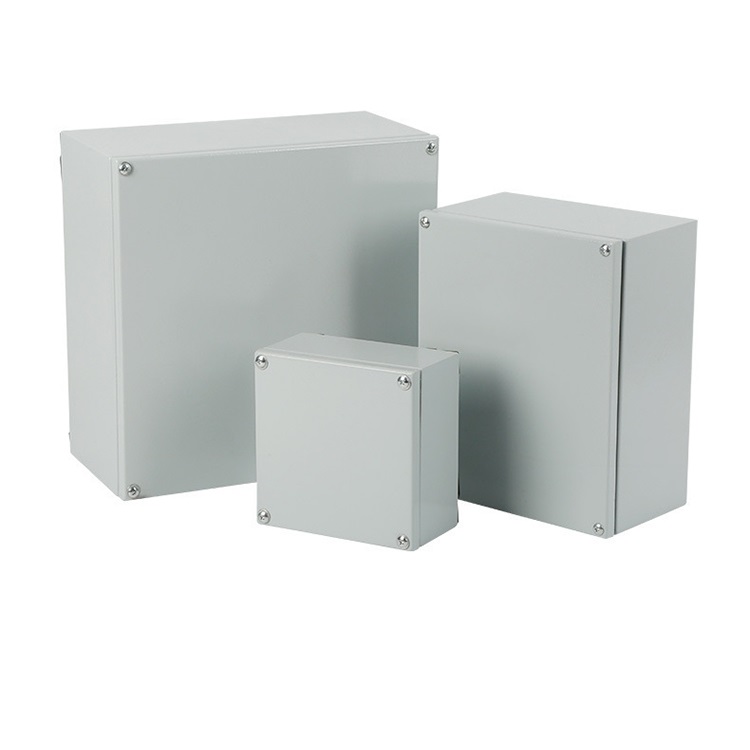
Every junction box with terminals is rated for a maximum current and voltage, which must match or exceed the circuit's requirements to avoid overheating and safety hazards. Selecting the correct current rating is especially important for high-load circuits and continuous-duty applications.
Common current ratings include 24 A for lighting and small loads, 32 A for general-purpose circuits, and 40 A for high-power devices such as showers, cookers, or heavy pumps. Higher amp circuits require careful conductor sizing, robust terminals, and professional installation to comply with electrical standards and manufacturer guidelines.
- Low-current control and signal: Used in automation, instrumentation, and communication systems where compact terminals and multi-core cables are common.
- Power distribution: Employed as branching points for lighting circuits, socket circuits, and small motors.
- Industrial and energy: Applied in motor control centers, PV combiner boxes, pump stations, and storage systems where higher current ratings and environmental protection are critical.
Proper installation is crucial to ensure that a junction box with terminals delivers its intended safety and protection performance throughout its service life. Poor terminations or overcrowded boxes can lead to overheating, insulation damage, and failures.
- Plan terminal quantity and layout: Define how many cables and conductors will be joined, including neutral, earth, and spare capacity for future extensions.
- Respect fill and bending space: Ensure there is adequate internal volume so conductors are not compressed, bent excessively, or stressed at entry points.
- Use correct tools and torque: Tighten screw or bolt terminals to the specified torque to prevent loose connections or conductor damage.
- Maintain IP integrity: Install glands and seals correctly and avoid unused open entries that compromise the enclosure rating.
- Label circuits clearly: Use terminal markers and circuit labels to support fast troubleshooting and maintenance.
For complex multi-circuit installations or high amp ratings such as 40 A, it is strongly recommended that work is carried out or verified by a qualified electrician to ensure compliance with applicable codes and standards.
A structured selection process helps ensure that your junction box matches both technical requirements and environmental conditions.
- Define voltage and current: Confirm system voltage and required current rating per circuit, allowing reserves for future load increases.
- Assess the environment: Determine whether the installation is indoor or outdoor, and identify humidity, dust, temperature, and corrosive elements.
- Select material and IP rating: Choose between plastic, metal, or fiberglass and appropriate IP ratings based on environmental risks and mechanical demands.
- Specify terminal configuration: Decide the number of terminals, cross-section range, and terminal type, such as screw, spring, or bolt-on.
- Check standards and approvals: Verify conformity with relevant international or regional standards such as IEC, UL, or CE where applicable.
- Plan for maintenance: Ensure adequate space, labeling, and accessibility for periodic inspection and modifications.
High-quality junction boxes with terminals are used across diverse industries where safe, reliable wiring connections are essential for continuous operation.
- Power and utilities: Distribution networks, substations, and switchgear where multiple feeders and branches must be managed securely.
- Industrial smart manufacturing: Control cabinets, sensor networks, and motor control lines in automated production lines.
- Building and infrastructure: Lighting, HVAC, fire alarm, and access control wiring in commercial and residential buildings.
- New energy storage and EV: Battery systems, charging infrastructure, and DC distribution that demand high reliability, clear segregation, and robust protection.
- Pumps and water systems: Pump stations and treatment plants where moisture and corrosion require carefully selected IP ratings and materials.
While both terminal boxes and junction boxes protect wiring, junction boxes with integrated terminals are the preferred choice when multiple circuits must be reliably branched, organized, and frequently accessed. In contrast, simple empty enclosures may suffice when only a few connections or devices are housed without extensive internal wiring.
In applications with dense cable terminations, frequent modifications, or the need for clear labeling, choosing a junction box with terminals significantly improves maintainability and reduces lifecycle costs.
Partnering with a specialized manufacturer of junction boxes and electrical enclosures ensures consistent quality, compliance, and support across all your projects. A strong supplier can help you standardize enclosure types, streamline installations, and adapt quickly to new requirements in sectors such as power, telecommunications, industrial automation, and new energy.
Manufacturers with extensive material options, flexible customization, and engineering support are particularly valuable for complex multi-industry clients, including building construction, EV infrastructure, and water treatment projects. This collaboration reduces project risk, shortens lead times, and supports long-term system reliability.
If you are planning or upgrading electrical, industrial, or new energy systems, choosing the right electrical junction box with terminals is a critical step for safety and performance. Contact a professional enclosure and terminal-box manufacturer today to discuss your application, request technical recommendations, or develop custom junction box solutions tailored to your power, communication, EV, pump, or energy storage projects.
Share your project requirements, drawings, or specifications, and request a detailed proposal that covers enclosure material, IP rating, terminal configuration, and installation guidelines. With expert support, you can ensure that every junction in your system is robust, compliant, and ready for future expansion.
Contact us to get more information!
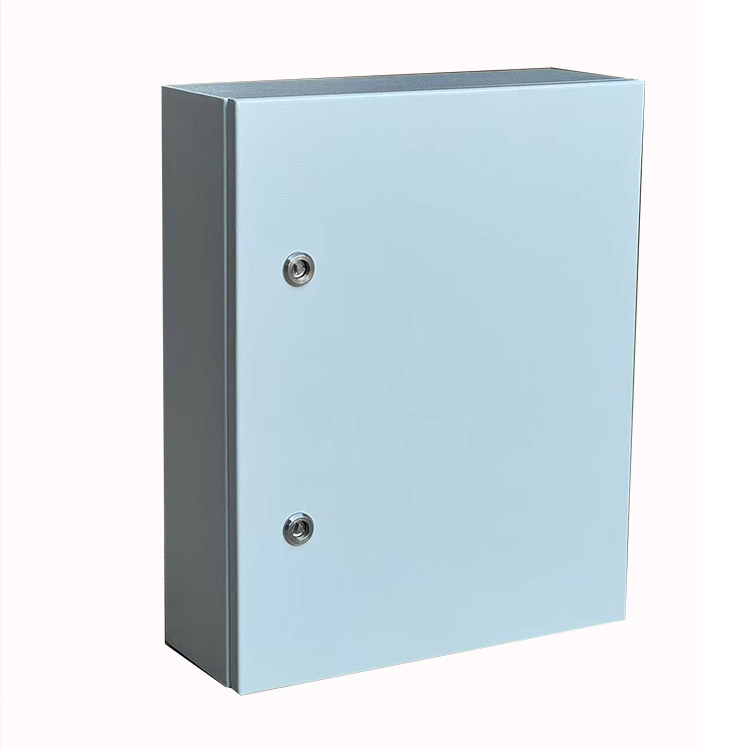
The main purpose is to safely connect, branch, and protect multiple electrical conductors inside a closed enclosure using organized, accessible terminal blocks.
Assess whether the installation is indoor or outdoor and consider exposure to dust, moisture, and cleaning processes. Choose IP54–IP55 for light dust or splashes and IP66–IP67 for harsh outdoor or washdown conditions.
For circuits around 40 A and above, or complex multi-circuit installations, you should always involve a qualified electrician to ensure safe terminations and code compliance.
For outdoor or corrosive environments, fiberglass or high-quality polycarbonate enclosures with at least IP66 or IP67 are typically recommended for long-term durability.
Consider conductor cross-section, current rating, vibration level, required installation speed, and maintenance needs when choosing between screw, spring, or bolt-on terminals.
1. https://viox.com/electrical-junction-box-with-terminals/
2. https://hkcn.rs-online.com/web/c/enclosures-server-racks/enclosures/junction-boxes/
3. https://www.saipwell.com/blog/terminal-box-vs-junction-box/
4. https://automationforum.co/what-is-a-junction-box-and-its-applications/
5. https://www.weishoelec.com/Blog/cable-junction-box-guide/
6. https://www.phoenixcontact.com/en-pc/products/junction-boxes-and-empty-enclosures
7. https://www.tulingmetal.com/junction-box-types/
8. https://www.one-elec.com/en/blog/which-junction-box-should-you-choose-and-how-should-you-install-it.html
9. https://www.budind.com/nema-ip-rated-boxes-ip-67/
10. https://www.globalspec.com/learnmore/electrical_electronic_components/enclosures/nema_electrical_enclosures_boxes
11. https://www.tlc-direct.co.uk/Technical/DataSheets/Hager/JB_Guide.pdf

2026-07-26

2026-07-24


