


Views: 222 Author: Amanda Publish Time: 2026-02-04 Origin: Site


Content Menu
● What Is a Junction Box for Outdoor Lights?
● Do You Need a Junction Box for Outdoor Lights?
>> Code and Safety Requirements
>> When You Definitely Need a Junction Box
>> When a Separate Junction Box May Not Be Required
● Why Outdoor Lights Need a Junction Box
>> 1. Safety and Shock Protection
>> 2. Weatherproofing and Durability
>> 3. Organized Wiring and Easier Maintenance
>> 4. Compliance and Liability
● Choosing the Right Junction Box for Outdoor Lights
>> Example: High‑Quality Outdoor Enclosures
● Types of Outdoor Lighting and Typical Junction Box Needs
>> Common Outdoor Lighting Scenarios
● Step‑by‑Step: How to Install an Outdoor Light with a Junction Box
● Advanced Considerations: Codes, IP Ratings, and Regional Requirements
>> Electrical Codes and Inspection
>> IP Ratings and Outdoor Enclosures
● How Ningbo Bohui Electric Supports Outdoor Lighting Projects
● Clear Call to Action: Design Safer Outdoor Lighting with Professional Enclosures
● FAQs About Junction Boxes for Outdoor Lights
>> 1. Are junction boxes always required for outdoor lights?
>> 2. Can I install an outdoor light without a junction box if the old one did not have one?
>> 3. What IP rating should I look for in an outdoor junction box?
>> 4. Do low‑voltage garden lights need a junction box?
>> 5. Why choose a metal junction box instead of plastic for outdoor lights?
In most cases you do need a junction box for outdoor lights, especially when the fixture connects to mains power and is exposed to weather, because a properly rated box protects live connections and helps you meet electrical codes. This in‑depth guide explains when a junction box is required, what type to use, how to install it safely, and how high‑quality enclosures from Ningbo Bohui Electric can improve the performance and lifespan of your outdoor lighting systems.
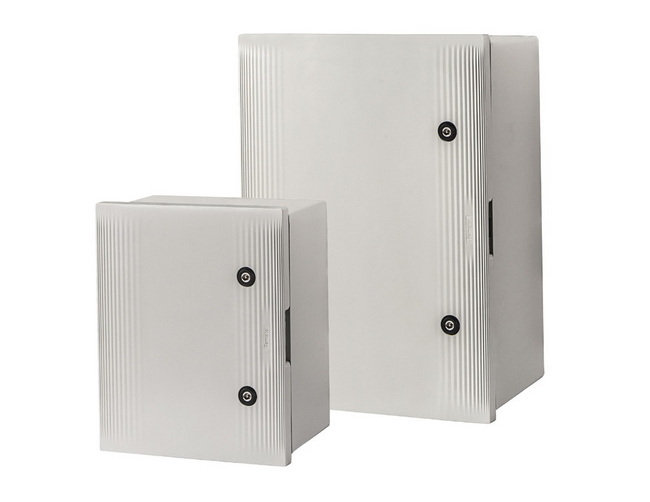
A junction box is an electrical enclosure that houses wire splices and terminations, keeping them protected and organized. For outdoor lighting, it is usually mounted on a wall, ceiling, pole, or in the ground, depending on the application.
Most outdoor junction boxes are made of metal or high‑grade plastic and carry an IP rating indicating their protection level against dust and water, such as IP65 or IP66 for harsh environments. These boxes often include knockouts, cable glands, and mounting points to simplify installation and maintenance in the field.
In most regions and scenarios, a junction box is required for outdoor lights that connect to the mains, because electrical codes insist that all splices and terminations are enclosed in an approved box. Codes in many countries require accessible, weatherproof enclosures, proper grounding, and adequate space for conductors.
A junction box also reduces the risk of electric shock, short circuits, and fire by preventing bare or poorly insulated connections from being exposed to moisture, dust, and physical damage. This is critical around building entrances, pathways, and gardens where people frequently touch fixtures or run equipment nearby.
You almost always need a box when:
- Mains‑powered wall lights, porch lights, floodlights, or soffit lights are installed on exterior walls or ceilings.
- Wires are spliced or branched to feed multiple fixtures, such as string lights, garden path lights, or driveway lights.
- You run cables in conduit or underground and must terminate them safely at the fixture or at a distribution point.
- Local regulations explicitly require weatherproof boxes for any exterior junctions and terminations.
There are limited situations where you might not need an additional box:
- The fixture has an integrated weatherproof compartment that is listed as a junction box and is approved by codes for direct wiring.
- The light is solar‑powered or battery‑operated and does not connect to mains wiring at all.
- Low‑voltage garden systems use dedicated hubs or proprietary connectors designed specifically for outdoor use, which are listed for that purpose.
In all cases, installation instructions and local code enforcement prevail. Homeowners and contractors should confirm requirements with local authorities or certified electricians.
A properly sealed junction box isolates live connections from people, pets, and flammable materials, which dramatically reduces the chance of shock or fire. Outdoor conditions introduce rain, condensation, insects, and debris that can cause corrosion or tracking currents if wires are left exposed.
GFCI protection and correct enclosure selection work together. GFCI devices cut power when faults are detected, while an appropriate junction box prevents moisture from reaching live components in the first place.
Outdoor luminaires face UV radiation, temperature swings, wind‑driven rain, and dust, which can all degrade insulation and connectors over time. A weatherproof junction box with sufficient IP rating shields terminations from these stresses and extends both wiring and fixture life.
For example, IP65 or IP66 wall‑mount enclosures used with outdoor lights can withstand dust ingress and water jets, making them suitable for exposed facades, rooftops, and coastal environments.
A junction box keeps multiple cables, splices, and grounding conductors neatly arranged, which improves troubleshooting and reduces human error during future upgrades. Electricians can quickly identify circuits, verify tight connections, and replace fixtures without disturbing the entire wiring run.
In larger systems such as parking lots, industrial yards, or campus pathways, strategically placed boxes act as service nodes, reducing downtime and simplifying expansions.
Failing to use a junction box where required can result in failed inspections, rework costs, and potentially insurance issues after an incident. For commercial and industrial facilities, non‑compliant outdoor connections can also create operational risk and regulatory exposure.
By choosing listed enclosures and following local rules, owners and contractors protect both people and assets while preserving long‑term property value.
When specifying a junction box for outdoor lighting, consider:
- IP rating: IP65 or higher is typically recommended for exposed outdoor use where dust and rain are present.
- Material: Metal, such as stainless steel, for high mechanical strength and harsh industrial or coastal environments, or robust non‑metallic enclosures where corrosion is a concern.
- Size and volume: Adequate internal space to accommodate conductor fill, bends, and accessories according to code.
- Mounting style: Wall‑mount, pole‑mount, recessed, or surface‑mounted options depending on the fixture and structure.
- Cable entries: Knockouts, glands, and sealing options for different cable diameters and conduit systems.
Using an undersized or improperly rated enclosure undermines its protective function and can lead to overheating, moisture ingress, and non‑compliance.
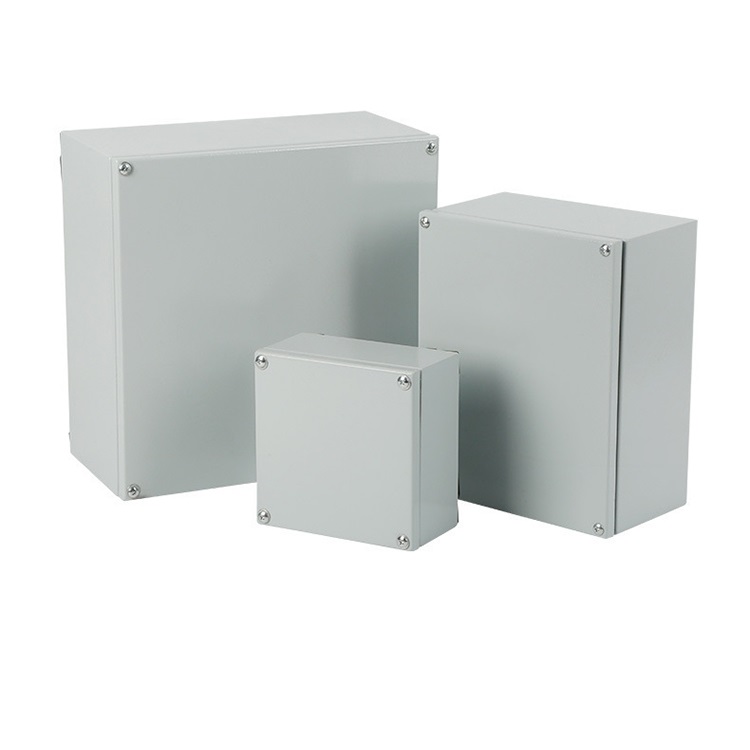
Manufacturers such as Ningbo Bohui offer IP65 and IP66 waterproof wall‑mount junction boxes and metal distribution enclosures specifically designed for outdoor electrical wiring. These products combine robust sheet‑metal construction, sealing gaskets, and secure locking mechanisms to deliver reliable performance in demanding outdoor scenarios.
Their stainless‑steel and coated‑steel boxes are widely used in power systems, industrial automation, building projects, and new energy applications that require long‑term corrosion resistance and stable protection.
Outdoor lighting type | Typical power source | Junction box need | Key notes |
Wall or porch lights | Mains AC | Usually required | Box often behind fixture on wall. |
Floodlights or security lights | Mains AC | Usually required | Some models integrate a box; check listing. |
Garden or path landscape lights | Low voltage | Often use hubs or connectors | Specialized outdoor connectors may replace traditional boxes. |
Solar garden lights | Solar or battery | Not required | No mains wiring involved. |
Pole-mounted street or yard lights | Mains AC | Required | Use pole junction boxes with high IP ratings. |
In every case where mains wiring is involved and splices are present, a properly rated enclosure is still the safest and most compliant choice.
Important: Always follow local codes and, when in doubt, consult a licensed electrician for installation work.
- Plan the location and circuit
Identify where the light will be mounted and confirm that the circuit has appropriate protection, including the correct breaker and, where mandated, GFCI. Ensure the structure can support both the junction box and the fixture.
- Select the junction box
Choose a weatherproof box with a suitable IP rating and enough internal space for the number and size of conductors. Confirm that accessories such as glands and mounting hardware match your cable types and conduit.
- Turn off power and prepare wiring
De‑energize the circuit at the panel and lock or tag the breaker if required by safety procedures. Route the supply cable through conduit or approved cable paths to the junction box location.
- Mount the junction box
Fix the box securely to the wall, ceiling, or pole using corrosion‑resistant fasteners and, if needed, a compatible mounting bracket. Check that gaskets and seals are properly seated to maintain the IP rating.
- Make connections inside the box
Strip insulation carefully, connect live, neutral, and ground conductors with appropriate connectors, and verify that fill and bend limits are not exceeded. Arrange wires neatly to prevent stress on terminals and to simplify inspection.
- Connect and mount the light fixture
Attach the fixture leads to the circuit conductors through the box, following the manufacturer's wiring diagram and torque specifications. Secure the light to its mounting plate or bracket, confirming that no gasket is pinched or misaligned.
- Seal, test, and inspect
Close the junction box cover tightly, restore power, and test the light for correct operation. If required, schedule inspection to confirm compliance with local regulations and project specifications.
National and local electrical codes set minimum requirements for junction box sizing, grounding, accessibility, and environmental protection. In many regions, regulations insist that exterior boxes be weatherproof, installed in accessible locations, and properly labeled where necessary.
In many jurisdictions, all exterior splices and terminations must be enclosed in a recognized enclosure and protected by over‑current devices and, in wet locations, GFCI protection. Understanding these requirements early in a project can help you avoid rework and delays.
The Ingress Protection, or IP, rating system describes how well an enclosure resists dust and water, which is crucial for outdoor lighting junction boxes. An IP65 box is dust‑tight and protected against low‑pressure water jets, while IP66 withstands more aggressive water exposure, making it suitable for heavy rain or wash‑down areas.
Outdoor street‑light and yard‑light installations often standardize on at least IP65 enclosures to maintain system reliability over long service lives. Selecting the correct rating at the design stage helps reduce maintenance costs and unexpected failures.
As a manufacturer focusing on high‑quality sheet‑metal distribution boxes and junction enclosures, Ningbo Bohui Electric serves power, communication, building, new energy, water pump, and industrial automation markets with durable, customizable solutions. Its product range includes IP65 and IP66 waterproof wall‑mounted junction boxes, stainless steel distribution boxes, and outdoor power boxes suitable for a wide variety of lighting applications.
With extensive industry experience, the company provides both standard and tailored designs to match project‑specific requirements, such as particular IP levels, mounting methods, or special environmental constraints. These capabilities make Bohui a reliable partner for OEMs, contractors, and system integrators who need consistent enclosure performance across different outdoor lighting projects.
If you are planning or upgrading an outdoor lighting system, choosing the right junction box is as important as selecting the fixtures themselves. To enhance safety, extend equipment life, and pass inspections smoothly, you should specify robust, properly rated enclosures from a proven manufacturer.
Ningbo Bohui Electric can help you match IP‑rated metal and waterproof junction boxes to your outdoor lighting needs across power, building, communication, industrial, water pump, and new energy projects. Contact the Ningbo Bohui technical team today to discuss your application, request drawings or samples, and design a reliable enclosure solution that supports the long‑term performance of your outdoor lighting systems.
Contact us to get more information!
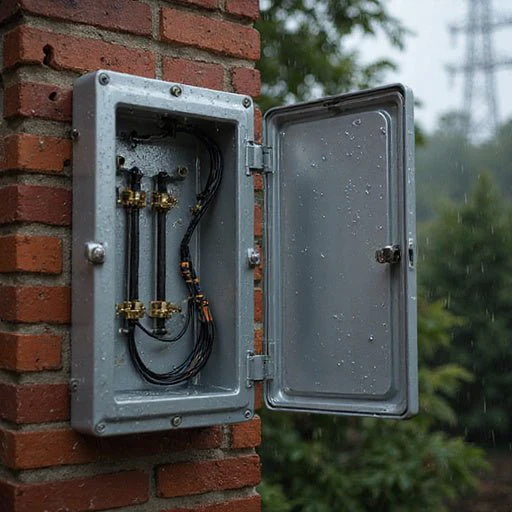
In most mains‑powered outdoor lighting installations, a junction box or equivalent listed enclosure is required by electrical codes to house splices and connections. Exceptions are typically limited to fixtures with integrated enclosures, solar lights, or specialized low‑voltage systems that use approved connectors.
If the existing setup lacks a box, that condition is often non‑compliant with current standards, and you may need to add a properly rated enclosure when upgrading the light. Always verify with local codes and consult a licensed electrician before relying on legacy installations.
For most exposed outdoor locations, IP65 or higher provides reliable protection against dust and rain, while harsher environments or wash‑down areas may benefit from IP66 enclosures. Local conditions such as heavy storms, salt spray, or industrial pollution may justify even higher protection levels.
Low‑voltage systems often use purpose‑designed hubs and connectors that can replace traditional boxes, but all components must still be rated for outdoor use and follow manufacturer guidance. If any mains‑voltage splices are present, they must be in an approved junction box.
Metal enclosures, especially stainless steel, offer superior mechanical strength, impact resistance, and high‑temperature performance, making them ideal for industrial sites or demanding climates. They also pair well with grounding requirements and are widely used in power distribution and automation projects.
1. https://viox.com/do-you-need-a-junction-box-for-outdoor-lights/
2. https://viox.com/understanding-junction-boxes-essential-components-for-safe-and-efficient-electrical-systems/
3. https://viox.com/plastic-junction-boxes/
4. https://www.tongou.com/do-i-need-a-junction-box-for-outdoor-lighting/
5. https://www.tosunlux.eu/blog/do-outdoor-lights-need-a-junction-box/
6. https://www.lightingforgardens.com/blog/junction-boxes-for-outdoor-lighting-what-you-need-to-know
7. https://magnifyelectric.com/outdoor-light-junction-box/
8. https://www.paclights.com/explore/outdoor-light-junction-box-modern-lighting-engineers-perspective/
9. https://www.okmbranchcable.com/knowledge/street-light-pole-junction-box-standards-and-regulations
10. https://www.onesto-ep.com/blog/how-to-tell-if-you-need-a-junction-box-for-outdoor-lighting/
11. https://forums.mikeholt.com/threads/exterior-light-wall-mounted-doesnt-need-a-junction-box.145107/
12. https://www.bohuitechnology.com
13. https://www.bohuitechnology.com/e_products/
14. https://www.bohuitechnology.com/list/29-list-29-url.html
15. https://www.emsd.gov.hk/filemanager/en/content_443/COP_E_2020.pdf

2026-07-26

2026-07-24


