


Views: 222 Author: Amanda Publish Time: 2026-02-05 Origin: Site


Content Menu
● What Is a Custom Metal Enclosure?
>> Custom vs. Standard Enclosures
● Key Benefits of Custom Metal Enclosures
>> 1. Environmental and Mechanical Protection
>> 2. Electrical Safety and Compliance
>> 3. Design Flexibility and Integration
● Understanding NEMA Ratings and UL Certification
>> Common NEMA Ratings for Metal Enclosures
>> NEMA vs. UL: Why It Matters
● Material Choices for Custom Metal Enclosures
>> Carbon Steel
>> Aluminum and Die-Cast Alloys
● Design Considerations for High-Performance Custom Metal Enclosures
>> 1. Application and Environment Definition
>> 2. Size, Layout, and Access
>> 3. Thermal Management and Ventilation
>> 4. Cable Entry, Glands, and Conduit
>> 5. Mounting and Structural Support
● Industry-Specific Use Cases for Custom Metal Enclosures
>> Power Distribution and Industrial Automation
>> Telecommunications and Networking
>> Energy Storage and New Energy Vehicles
>> Pumps, Water, and Wastewater
● Step-by-Step Process to Specify a Custom Metal Enclosure
● Best Practices for Cost-Effective Custom Metal Enclosure Design
● Take the Next Step: Turn Your Requirements into a Reliable Custom Enclosure
● FAQs About Custom Metal Enclosures
>> 1. When should I choose a custom enclosure instead of a standard one?
>> 2. Do I always need UL certification for my custom enclosure?
>> 3. What is the difference between NEMA 4 and NEMA 4X?
>> 4. How do I manage heat inside a sealed enclosure?
>> 5. Which material is best for coastal or chemical plants?
Custom metal enclosures are the critical interface between your sensitive electrical and electronic components and the real-world environments they must survive in, from clean data rooms to corrosive outdoor sites.
When engineered correctly, a custom enclosure does more than “hold” components – it protects uptime, simplifies installation, and supports regulatory compliance for power distribution, industrial controls, telecommunications, EV charging, building systems, and energy storage.

A custom metal enclosure is a purpose-built housing designed around the exact size, layout, environment, and compliance requirements of specific electrical or electronic equipment.
Unlike standard off-the-shelf boxes, custom enclosures can be tailored in dimensions, mounting, cutouts, thermal management, and materials to match project constraints in power, communications, industrial automation, and emerging energy applications.
- Standard enclosures offer lower upfront cost and faster availability but limited flexibility in size, cutouts, and environmental performance.
- Custom enclosures are engineered for specific equipment footprints, cable entry, ventilation, and site conditions, reducing field modifications and installation time.
- For complex or high-value systems (such as MCCs, network racks, or outdoor power control panels), custom solutions often reduce total lifecycle cost despite higher initial spend.
Well-designed custom metal enclosures deliver measurable performance, safety, and cost advantages over generic housings.
- Metal enclosures can be engineered to specific NEMA or IP ratings, protecting against dust, moisture, washdown, ice, and corrosive atmospheres.
- Proper material and thickness choices improve impact resistance, vibration performance, and structural stability for industrial and vehicular applications.
- Die-cast and formed metal housings offer inherent EMI/RFI shielding for sensitive electronics.
- NEMA ratings define enclosure performance levels, while UL certification verifies that specific enclosure designs and assemblies meet independent safety standards.
- Custom designs can be engineered within the scope of UL pre-approved constructions, enabling UL-listed or UL-labeled enclosures without redesigning equipment.
- Maintaining correct ratings is essential when integrating components such as VFDs, MCCs, control relays, network switches, or battery systems in demanding environments.
- Custom cutouts for connectors, HMIs, pushbuttons, and glands reduce field drilling and preserve enclosure ratings.
- Integrated structural elements, such as mounting plates, rails, and cable management, support efficient panel layout and serviceability.
- Options like climate control, viewing windows, and internal partitions help manage heat, safety clearances, and multi-voltage sections.
- Custom colors, finishes, and form factors allow the enclosure to align with corporate branding or architectural design.
- For visible infrastructure – such as EV chargers, building façade enclosures, or public telecom cabinets – appearance influences perceived quality and reliability.
Choosing the right protection level is fundamental to custom metal enclosure design and long-term reliability.
| NEMA type | Typical protection | Common applications |
|---|---|---|
| NEMA 1 | Basic indoor protection against accidental contact and limited dust. | Control cabinets in clean, dry electrical rooms. |
| NEMA 3 / 3R | Outdoor protection against rain, sleet, and windblown dust; 3R emphasizes rain and sleet. | Outdoor switchgear, simple motor controls, utility equipment. |
| NEMA 4 | Watertight, hose-directed water, and windblown dust; suitable for many washdown environments. | Food processing, industrial washdown, outdoor cabinets. |
| NEMA 4X | All NEMA 4 protection plus enhanced corrosion resistance for aggressive or marine environments. | Marine, chemical plants, wastewater, coastal installations. |
| NEMA 7 / 9 | Explosion-proof protection in hazardous locations with flammable gases or dust. | Oil and gas, chemical processing, hazardous industrial zones. |
| NEMA 12 | Indoor protection against dust, falling dirt, and dripping non-corrosive liquids. | Industrial automation panels, factory floors, machine controls. |
- NEMA defines performance categories and environmental capabilities, but does not test or certify specific products.
- UL evaluates and tests enclosures and assemblies, then issues listings or labels when designs satisfy safety and construction requirements.
- Working within UL pre-approved enclosure design “envelopes” for size, material, and thickness can significantly reduce cost and lead time for certified custom enclosures.
Material selection has a direct impact on corrosion resistance, mechanical strength, weight, and cost.
- Painted carbon steel offers good structural strength at relatively low material cost.
- It is suitable for NEMA 1, 3, 4, or 12 where environments are not highly corrosive, especially indoors or in mild outdoor locations.
- In corrosive areas, painted steel may degrade faster and require more maintenance or replacement.
- Stainless steel, typically 304 or 316, provides superior corrosion resistance, making it ideal for NEMA 4X enclosures.
- Type 316 is commonly preferred for marine, chemical, or high-salinity environments where 304 may still corrode.
- Higher material cost is often offset by longer service life and reduced downtime in aggressive environments.
- Aluminum offers a strong, lightweight solution with good corrosion resistance and excellent heat dissipation.
- Die-cast housings provide very good EMI shielding and are easy to machine for custom cutouts.
- They are common in electronics, automotive, and telecom applications where weight and EMC performance are important.
Thoughtful design ensures the enclosure is not only compliant on paper but also practical in the field.
- Define where and how the enclosure will be used: indoor or outdoor, temperature range, chemical exposure, vibration, and accessibility.
- Clarify whether washdown, hose-down, coastal, or hazardous-area conditions apply, since these drive NEMA type and material choices.
- Capture future expansion needs, such as extra space, spare terminals, and reserved cable entries, early in the design stage.
- Plan internal layouts for breakers, PLCs, contactors, drives, communication modules, and power supplies with appropriate clearances and wire bending radii.
- Select single, double, or removable doors based on cable density, MCC configurations, and required access for maintenance.
- Avoid overly complex shapes, excessive small cutouts, or unnecessary bends, which increase fabrication cost and complexity.
- Evaluate internal heat generation from transformers, VFDs, power electronics, and CPUs to avoid premature failure.
- Use vents, filters, heat exchangers, or active cooling where NEMA rating and environment permit.
- In sealed NEMA 4 or 4X designs, consider conduction paths and internal airflow channels instead of open venting.
- Define cable types, diameters, and entry directions early so cutouts, knockouts, and gland plates can be accurately designed.
- Improper field drilling can compromise NEMA or UL performance, so factory-prepared entries greatly improve reliability.
- Consider removable gland plates to simplify installation and later modifications.
- Specify wall-mount, floor-standing, pole-mount, or drop-over designs based on available space and service requirements.
- For large or heavy assemblies, structural reinforcement and correct thickness are essential to prevent deflection.
- Outdoor and mobile applications, such as EV charging or pump skids, require additional consideration for vibration, wind, and mechanical impact.
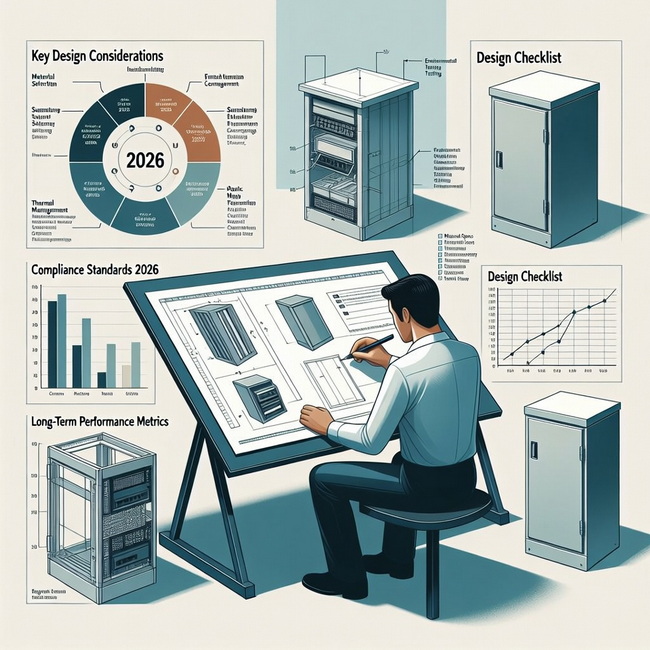
Custom metal enclosures support mission-critical infrastructure across multiple sectors, from traditional power to next-generation energy.
- Motor control centers, VFD cabinets, and distribution boards often require oversized enclosures with segregated compartments for power and control.
- NEMA 12 and NEMA 4 solutions protect equipment in dusty, humid, or washdown industrial zones.
- Custom mounting and access panels simplify upgrade projects in established plants.
- Outdoor telecom and network enclosures must balance heat dissipation, security, and environmental sealing.
- Battery backup, PoE equipment, and fiber management require carefully designed internal layouts and cable routing.
- Custom branding and slim form factors are often important in urban installations.
- Battery energy storage systems and EV charging infrastructure demand robust enclosures with advanced thermal management and safety separation.
- Vibration resistance, EMI shielding, and corrosion control are crucial in vehicle-mounted or roadside systems.
- NEMA 3R, 4, or 4X ratings are commonly required for outdoor charging sites and storage containers.
- Pump control panels and treatment plant systems often require NEMA 4X stainless steel enclosures to withstand moisture, chemicals, and outdoor exposure.
- Custom designs accommodate level monitoring, VFDs, telemetry, and operator interfaces in a compact footprint.
A structured specification process minimizes redesign and keeps your project on schedule.
- Define equipment list and layout. Identify all components, their dimensions, heat output, and required clearances, then sketch preliminary layouts.
- Specify environment and rating. Decide on indoor or outdoor, washdown, corrosive exposure, and hazardous area requirements to select NEMA rating and basic material.
- Choose material and thickness. Select carbon steel, stainless steel, or aluminum with thickness aligned to structural and compliance requirements.
- Define access and mounting. Specify door count, hinges, latches, viewing windows, and mounting method such as wall, floor, rack, or pole.
- Plan cable entry. Determine entry sides, quantity, and sizes for glands or conduit, and whether gland plates are required.
- Address thermal management. Decide on passive or active cooling, airflow path, and any restrictions imposed by NEMA rating.
- Confirm compliance requirements. Clarify if the enclosure must be UL-listed, labeled, or only built to NEMA performance, and align the design with any pre-approved constructions.
- Review manufacturability. Simplify bends, reduce unique cutouts, and standardize hardware where possible for lower cost and faster lead time.
Smart decisions at the design stage can significantly reduce lifecycle cost without compromising safety or performance.
- Keep designs as simple as possible and avoid unnecessary bends, radii, and custom hardware where standard solutions exist.
- Use standard panel sizes, door hardware, and mounting patterns when they do not conflict with application needs.
- Plan for future expansion by reserving internal space and cable entry positions rather than overcomplicating initial layouts.
- Work with experienced enclosure manufacturers who understand NEMA, UL, and real-world installation constraints.
If you are planning a new project or upgrading existing equipment, defining the right custom metal enclosure early will save time, reduce risk, and improve long-term reliability.
Summarize your equipment list, environment, target NEMA and UL requirements, and future expansion needs, then share this information with a specialist manufacturer who can translate it into a tested, compliant design.
Prepare your specification today and contact our engineering team for a tailored consultation and quotation, so you can move from concept to a high-performance custom enclosure with confidence.
Contact us to get more information!
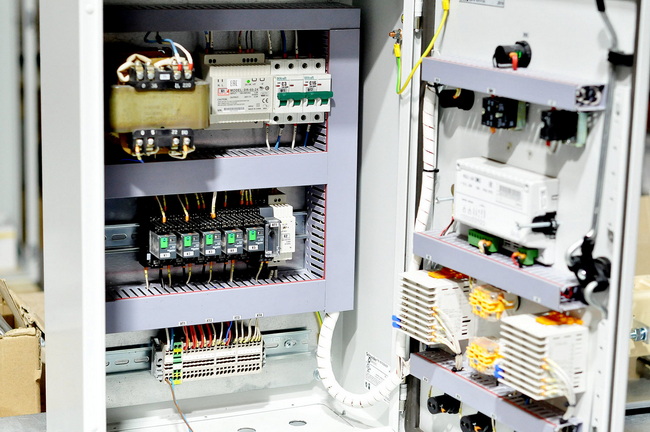
Choose a custom enclosure when standard products do not meet your size, access, environmental, or certification requirements, or when heavy field modifications would compromise ratings and increase total installed cost.
You need UL involvement when your equipment must comply with specific safety codes or customer specifications that call for UL-listed or UL-labeled enclosures. In other cases, NEMA performance combined with solid engineering practice may be sufficient.
Both NEMA 4 and 4X protect against water and dust, but NEMA 4X adds enhanced corrosion resistance, making it better suited for marine, chemical, and wastewater environments.
For sealed NEMA 4 or 4X designs, you typically use heat exchangers, air conditioners, conductive cooling strategies, and careful internal layout instead of open vents, which would otherwise downgrade the rating.
Type 316 stainless steel is often preferred in coastal and chemical environments because its higher corrosion resistance supports longer enclosure life than painted steel or basic stainless options.
1. https://www.nemaenclosures.com/blog/custom-metal-enclosures/
2. https://www.ameritexllc.com/2023/10/24/considerations-for-nema-rated-and-ul-listed-enclosures/
3. https://evsmetal.com/2025/06/ul-enclosure-design-certification-process/
4. https://www.itiseterna.com/blog/nema-enclosures-guide
5. https://www.americord.com/blogs/blog/understanding-nema-ratings-a-comprehensive-overview
6. https://steeltubeinstitute.org/resources/understanding-nema-ratings-definition-nema-chart-and-faqs/
7. https://apx-enclosures.com/custom-enclosures/
8. https://evsmetal.com/2021/01/fabricated-metal-enclosure-guide/
9. https://electronicenclosures.net/metal-box/
10. https://mechpowertech.com/blog/sheet-metal-fabrication-7/top-10-design-tips-for-durable-and-cost-effective-sheet-metal-enclosure

2026-07-26

2026-07-24


