


Views: 222 Author: Amanda Publish Time: 2026-02-04 Origin: Site


Content Menu
● Introduction: Why Combiner Box vs Junction Box Matters
● Quick Comparison Table: Combiner Box vs Junction Box
>> Key Components Inside a Combiner Box
>> Where Combiner Boxes Are Used
>> Core Characteristics of Junction Boxes
>> Typical Junction Box Applications
● Combiner Box vs Junction Box: Technical Specification Comparison
>> Voltage, Current, and Protection
>> Environmental Ratings and Enclosure Design
● Safety, Code Compliance, and Common Mistakes
>> Key Code and Safety Principles
>> Critical Mistakes with Junction Boxes
>> Critical Mistakes with Combiner Boxes
● How to Choose: Combiner Box or Junction Box?
>> When You Must Use a Combiner Box
>> When a Junction Box Is the Right Choice
● Practical Selection Checklist
>> Combiner Box Installation Tips
>> Junction Box Installation Tips
● Real‑World Example: Solar PV System Layout
● Why High‑Quality Enclosures Matter
● Take the Next Step: Specify the Right Enclosures for Your Project
● FAQs on Combiner Boxes and Junction Boxes
>> 1. Can I use a junction box instead of a combiner box in a solar system?
>> 2. Are combiner boxes only for solar PV?
>> 3. Do all residential solar systems need a combiner box?
>> 4. How do I size a junction box correctly?
>> 5. What enclosure rating should I choose for outdoor installations?
Discover the real engineering differences between a combiner box and a junction box, and how your choice impacts safety, performance, and long‑term reliability in solar PV, industrial, and building power systems.
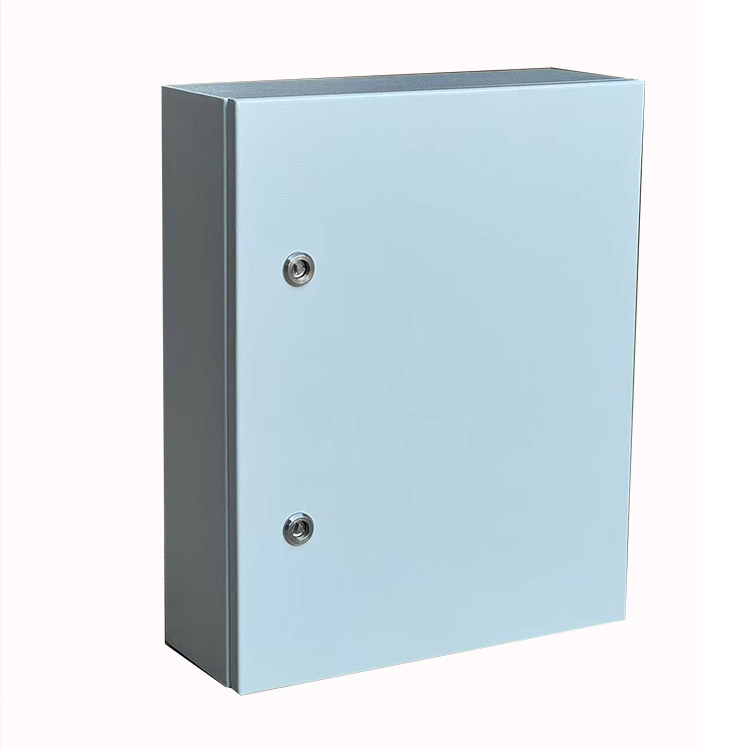
Choosing the right enclosure is critical for safety, efficiency, and code compliance in solar PV, industrial power distribution, and building electrical systems. Misusing a junction box where a combiner box is required, or vice versa, can lead to overheating, nuisance tripping, and even serious fire risk.
In this guide, you will learn the practical differences between combiner boxes and junction boxes, where each should be used, and how to select and install them correctly in modern renewable energy and industrial applications.
Feature | Combiner Box | Junction Box |
Primary function | Combines multiple power inputs into one output with protection | Protects and houses wire connections and splices |
Power combination | Yes – merges multiple sources (for example, PV strings) | No – only connects or branches conductors |
Typical protection | Fuses, DC circuit breakers, surge protection (SPD), disconnect switch | No internal overcurrent devices; relies on upstream breakers or fuses |
Typical applications | Solar PV arrays, wind systems, DC distribution for energy storage | Residential, commercial, industrial wiring, lighting, outlets, motors, pumps |
Voltage range | Often up to 600 V DC or higher in PV systems | 120–240 V AC in homes, wider range in industrial systems |
Complexity | Larger, more complex, may include monitoring | Smaller, simpler, focused on terminations |
Cost | Higher investment due to integrated components | Budget-friendly enclosure |
Environment rating | NEMA 3R/4/4X, IP65+ for outdoor PV and harsh sites | Indoor and outdoor variants; IP-rated versions for demanding environments |
A combiner box is a specialized electrical enclosure that aggregates multiple DC inputs into a single output while providing integrated overcurrent and surge protection. It is especially common in solar PV systems but also appears in other DC power applications.
A modern PV combiner box typically includes:
- DC fuses or DC circuit breakers for each string to provide overcurrent protection and allow string‑level isolation.
- DC surge protection devices (SPDs) to handle lightning strikes and switching surges.
- DC disconnect switch for safe isolation during maintenance or emergency shutdown.
- Busbars and terminals to combine parallel inputs into one DC output feeder.
- Optional monitoring modules for string‑level current, voltage, and fault diagnostics in larger PV fields.
- Weatherproof metal or non‑metal enclosure with robust gaskets and appropriate NEMA or IP rating for outdoor use.
Combiner boxes are widely used wherever multiple DC sources must be paralleled and managed safely:
- Solar PV systems: combining several panel strings before the DC disconnect or inverter.
- Wind and hybrid renewable systems: consolidating outputs from multiple turbines or DC sources.
- Utility‑scale and commercial solar plants: string or array combiner boxes for large numbers of strings.
- Energy storage and DC distribution: aggregating battery racks or DC feeders into shared buses.
In small residential PV systems with very few strings, a combiner box may not always be required, but it usually provides cleaner wiring, centralized protection, and easier maintenance.
A junction box is a general‑purpose enclosure that houses and protects electrical connections, splices, and terminations, without combining separate power sources. Its main role is to make wiring safe, tidy, and accessible.
A typical electrical junction box offers:
- Mechanical and fire protection for wire splices and terminations.
- Compliance with electrical codes for materials, volume, and accessibility.
- Accessibility for maintenance, as junction boxes should not be permanently buried behind finished surfaces.
- Correct volume and wire fill sized for the number and size of conductors to prevent overheating.
Junction boxes appear in almost every wiring system:
- Residential: lighting connections, outlet branches, switches, fans, and small equipment feeds.
- Commercial: distribution points in offices, stores, and public buildings.
- Industrial: control circuits, motor connections, sensor wiring, pumps, and field terminations.
- Outdoor: weatherproof junction boxes for garden lighting, façade lighting, and external power points.
From a technical perspective, the combiner box vs junction box difference is clear:
1- Combiner box
- Designed for higher DC voltages, often up to 600 V DC or more in PV applications.
- Handles larger currents, especially in commercial or utility‑scale projects.
- Integrates overcurrent devices and surge protection close to the source.
2- Junction box
- Commonly used at standard AC voltages like 120–240 V in residential and light commercial environments, with higher ratings in industrial sites.
- Current capacity is defined by conductor size, terminals, and box rating, not by internal protection devices.
- Relies on upstream breakers or fuses in distribution panels.
Environmental protection is essential in outdoor and harsh locations:
1- Combiner box environmental design
- Typically NEMA 3R or higher for outdoor use, with NEMA 4/4X or IP65+ preferred in harsh or corrosive environments.
- Uses UV‑resistant materials, high‑quality gaskets, and layouts designed to manage internal temperature and condensation.
2- Junction box environmental design
- Indoor models may have moderate protection levels.
- Outdoor junction boxes should have IP65 or equivalent to prevent water and dust ingress.
- Material choice (steel, stainless steel, aluminum, or plastic) is driven by corrosion risk and mechanical impact.
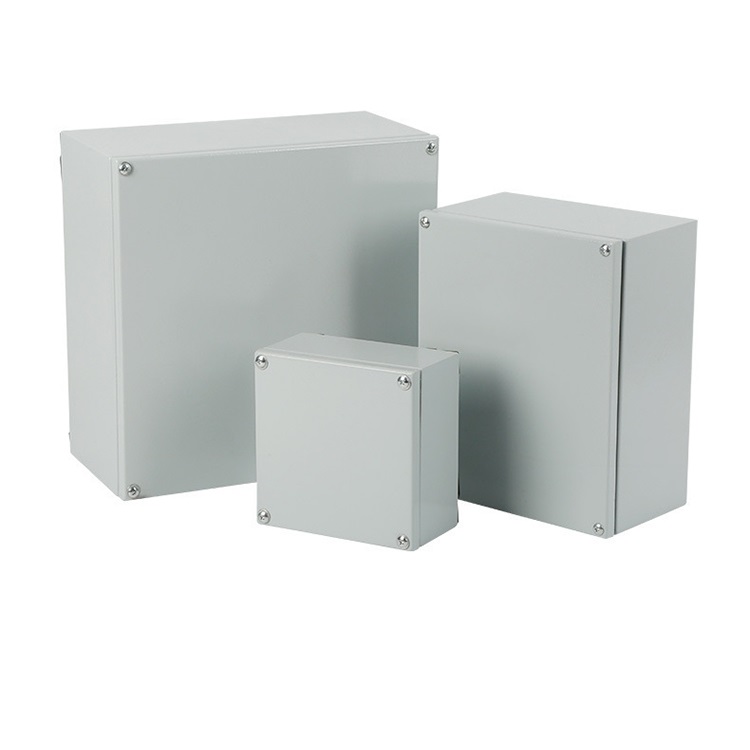
While regulations differ by region, some core principles are consistent:
- Junction boxes must be made of suitable materials, correctly sized for conductor fill, properly grounded, and accessible for inspection.
- Combiner boxes must provide correctly rated overcurrent protection, surge protection where required, clear labeling, and effective grounding and bonding.
- Both types of enclosures must be installed with appropriate cable entries, strain relief, and sealing to maintain their protective ratings.
Meeting these requirements reduces the risk of electrical fires, shock hazards, and system downtime.
Avoid these common errors:
- Making wire connections outside of a junction box, leaving splices exposed to mechanical damage and fire risk.
- Using undersized boxes, which forces conductors into tight spaces and increases heat.
- Leaving insufficient conductor length inside the box, which makes safe terminations difficult and can lead to damaged insulation.
Typical mistakes that compromise combiner box performance include:
- Incorrect polarity or cable orientation that can damage fuses, breakers, or inverters.
- Undersized wiring between the combiner box and inverter, causing voltage drop and temperature rise.
- Poor or missing grounding and bonding, which can result in dangerous touch voltages or equipment damage.
- Inadequate labeling, which makes maintenance and fault‑finding slow and risky.
A combiner box is usually the correct choice when:
1. You need to combine multiple DC power sources
- Solar PV installations with several separate strings feeding a single inverter.
- Systems that consolidate outputs from multiple turbines or DC sources.
2. You are dealing with high‑power DC applications
- Voltage levels approaching 600 V DC or higher.
- Current ratings that exceed typical residential circuit levels.
3. You require integrated safety and monitoring
- Projects that benefit from string‑level current monitoring and fast fault localization.
- Systems where local disconnects and SPDs are required at the array level.
A junction box is typically appropriate when:
1. You only need to protect and branch connections
- Lighting circuits, outlet branches, and small equipment feeds in buildings.
- Field junction points for pumps, motors, sensors, and control devices.
2. Your priority is cost and simplicity
- Low‑ to medium‑power circuits where a combiner box would be unnecessary and uneconomical.
3. You are not combining independent power sources
- The box's job is to connect, extend, or branch conductors, rather than to parallel separate sources.
Use this simple workflow as a quick decision guide:
1. Clarify the application
- Renewable DC (PV, storage, wind) usually calls for a combiner box.
- General building or industrial wiring usually uses junction boxes.
2. Count inputs and outputs
- Multiple independent DC strings or sources → combiner box.
- Single feed with a few branches or splices → junction box.
3. Check voltage and current levels
- High DC voltage or current → combiner box with correctly rated fuses, breakers, and SPDs.
- Standard AC branch circuits → junction box with appropriate upstream protection.
4. Consider environment and protection class
- Outdoor or harsh conditions → NEMA 3R/4/4X or IP65+ enclosure.
- Indoor dry areas → standard metal or plastic junction box.
5. Plan for maintenance and expansion
- Leave spare space and clear labeling for future upgrades and safe servicing.
- Mount the box in a shaded, accessible location to reduce thermal stress and simplify service.
- Maintain sufficient clearance around the enclosure according to manufacturer guidance and local code.
- Use appropriately rated DC cables, glands, and lugs to prevent hotspots and insulation damage.
- Label each string, fuse, breaker, and output clearly to support safe and fast troubleshooting.
- Calculate the minimum box volume based on conductor count and size to avoid overfill.
- Ensure junction boxes remain accessible and are not permanently hidden behind walls or ceilings.
- Provide proper cable clamps and strain relief, especially with flexible or outdoor cables.
- Match the IP or NEMA rating of the box to the installation environment (dry indoor, damp area, or outdoor).
Consider a commercial rooftop solar system with multiple strings of PV modules feeding one central inverter:
- Each PV string terminates in a string combiner box, where fuses, SPDs, and a disconnect combine all inputs into one protected DC output feeding the inverter.
- On the AC side, junction boxes are used to branch and protect circuits serving pumps, fans, lighting, and monitoring equipment.
This layered design ensures efficient DC power collection while maintaining safe and code‑compliant AC distribution throughout the facility.
For EPCs, system integrators, and equipment manufacturers, using high‑quality combiner and junction box enclosures significantly reduces project risk and lifetime maintenance costs. Robust metal enclosures with accurate fabrication, strong sealing, and reliable hardware perform better in demanding power, communications, industrial automation, new energy storage, and building infrastructure applications.
A professional enclosure partner can provide standard and customized solutions for combiner boxes, junction boxes, and distribution cabinets that meet your requirements for voltage, current, ingress protection, and installation method.
If you are planning or upgrading a solar PV, industrial, or building power system, now is the time to define the right combination of combiner boxes and junction boxes for your design. Review your single‑line diagrams, voltage and current levels, and environmental conditions, then share these requirements with a specialized enclosure manufacturer. By choosing properly engineered combiner boxes and junction boxes tailored to your application, you can enhance safety, simplify installation, and secure long‑term reliability for every project you deliver.
Contact us to get more information!
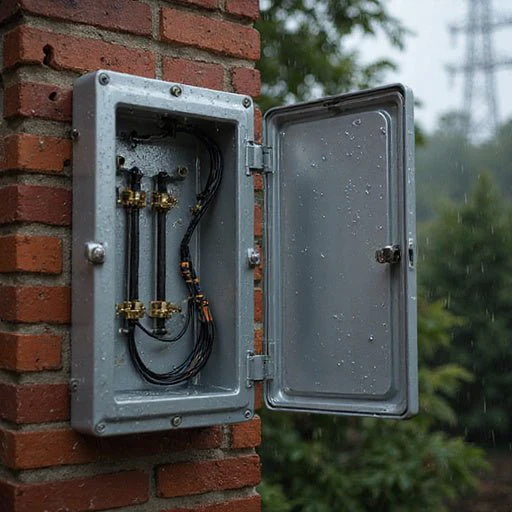
No. A standard junction box does not include string fuses, DC breakers, or surge protection and is not designed to safely combine multiple PV strings in parallel. A combiner box is engineered specifically for that role and should be used where multiple strings are paralleled.
Combiner boxes are most common in solar PV, but they are also used wherever multiple DC sources must be aggregated, such as wind energy systems, certain battery setups, and DC distribution panels. The key is that they combine and protect several inputs feeding a common bus.
Very small rooftop systems with only a few strings may not strictly require a combiner box under some codes. However, many installers still prefer using one because it simplifies wiring, provides centralized disconnects, and makes future maintenance safer and easier.
You should follow local electrical code rules for box fill, taking into account the number and size of conductors, devices, and clamps. The box must provide enough internal volume so that conductors are not excessively bent or compressed, which could lead to overheating and mechanical damage.
For outdoor PV combiner boxes, at least NEMA 3R or IP65 is recommended, and NEMA 4/4X or higher may be needed in harsh or coastal environments. For outdoor junction boxes, select an IP‑rated enclosure suitable for the expected exposure to rain, dust, UV, and mechanical impact.
1. https://viox.com/difference-between-a-combiner-box-and-a-junction-box/
2. https://www.oohmage.com/combiner-box-vs-junction-box/
3. https://lsp.global/combiner-box-vs-junction-box/
4. https://www.onesto-ep.com/blog/combiner-box-and-junction-box-main-differences/
5. https://www.solar-etek.com/combiner-vs-junction-box-solar-pv.html
6. https://www.grlgroup.com/blogs/pv-combiner-box-vs-junction-box-whats-the-real-difference/
7. https://letopv.com/solar-combiner-box-vs-junction-box/
8. https://www.anernstore.com/blogs/diy-solar-guides/pv-combiner-isolators-disconnects
9. https://www.bohuielectric.com/steel-enclosure.html
10. https://www.bohuitechnology.com

2026-07-26

2026-07-24


