


Views: 222 Author: Amanda Publish Time: 2026-02-04 Origin: Site


Content Menu
● What the Code Really Says About Junction Boxes Behind Drywall
● Accessible vs Concealed: What It Means in Practice
● Quick Reference: Junction Boxes and Drywall
● Why Burying a Junction Box Behind Drywall Is Dangerous
● Key Code Principles That Affect Junction Boxes Behind Drywall
● Acceptable Ways to Place Junction Boxes in Drywall Walls
>> Flush‑Mounted Boxes With Standard Cover Plates
>> Boxes Behind a Removable and Labeled Access Panel
● Step‑by‑Step: How to Correct a Junction Box Buried Behind Drywall
>> 1. Locate the Hidden Box Safely
>> 3. Bring the Box to the Surface
>> 4. Install a Proper Cover or Access Panel
>> 5. Arrange Inspection if Required
● Practical Placement Tips for Homeowners and Contractors
● Where Access Panels Make Sense
● Common Mistakes With Junction Boxes Behind Drywall
● Safety and Maintenance Best Practices for Junction Boxes
● When to Call a Licensed Electrician
● Clear Answer: Can a Junction Box Be Behind Drywall?
● Take the Next Step: Design Safe, Accessible Junction Box Installations
● Frequently Asked Questions (FAQ)
>> 1. Can junction boxes be behind drywall if I know where they are?
>> 2. Is it okay to cover a junction box with a picture or furniture?
>> 3. Can I put a junction box in the ceiling above drywall?
>> 4. Do all wire splices have to be inside a junction box?
>> 5. What should I do if an inspector finds a hidden junction box?
No, a junction box cannot be buried behind drywall with no access. Electrical codes require every junction box to remain readily accessible without removing drywall or other permanent finishes, or you risk fire hazards, failed inspections, and insurance issues.
This guide explains what the code really says, why buried junction boxes are dangerous, and how to place them correctly so you stay safe, efficient, and fully compliant.
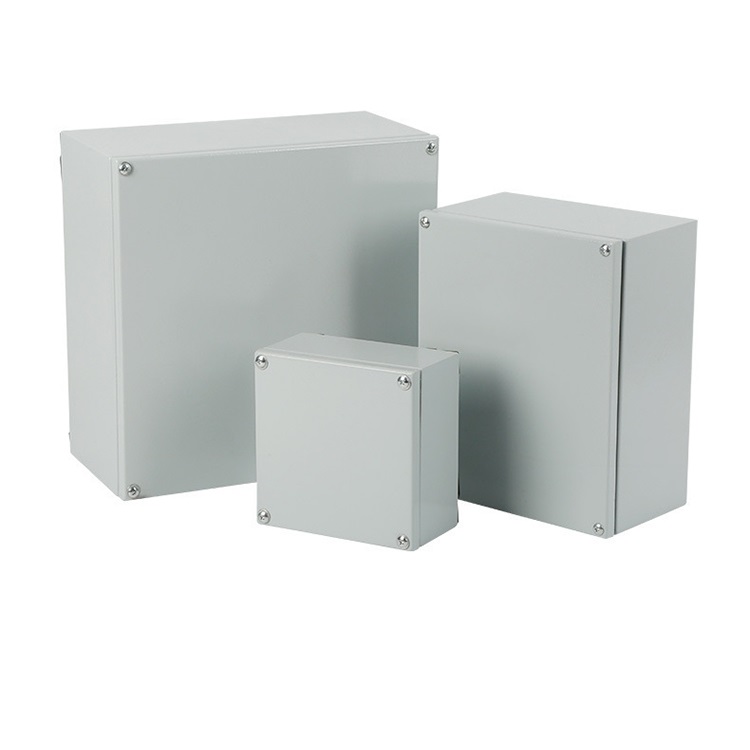
Electrical codes do not allow a junction box to be completely concealed behind drywall, plaster, paneling, or any other permanent building finish. The box must remain accessible for inspection, maintenance, and repairs throughout the life of the installation.
In practice, this means you must be able to reach the junction box without cutting or demolishing any part of the finished wall or ceiling. This requirement applies to homes, commercial buildings, and industrial sites alike.
Understanding how electrical standards use the word “accessible” is critical for deciding where to place a junction box.
Accessible means you can approach and reach the equipment without dismantling the building or using anything beyond normal means of access. You should not need to remove drywall, tile, or fixed panels just to expose the box.
A junction box is considered concealed and non‑compliant when:
- It is fully covered by drywall, plaster, or fixed wall panels.
- Access requires cutting, drilling, or demolishing part of the wall or ceiling.
- There is no labeled, removable panel or cover providing full access to the box.
By contrast, a junction box is acceptable behind a surface if there is a clearly removable access panel that does not require demolition and provides full access to the box interior.
Installation scenario | Code compliant? | Reason |
Box fully buried behind drywall with no access | No | Accessibility rules are violated, the box is concealed. |
Box flush with drywall and covered by a visible cover plate | Yes | Box remains accessible without removing finishes. |
Box behind a labeled, tool-free removable access panel | Yes | Panel provides ready access, so the box is still accessible. |
Box in an attic, under insulation but with a proper cover plate | Usually yes | Box is still reachable without cutting structure or finishes. |
Box hidden behind cabinets with no access panel | No | Cabinet blocks the box, access requires removal. |
Concealing a junction box may look clean, but it introduces serious safety and liability risks.
- Fire risk: Loose splices, overloaded conductors, or damaged insulation can overheat and arc inside a hidden box, increasing the chance of an unseen electrical fire.
- Shock and electrocution risk: Inaccessible boxes discourage inspection and maintenance, which makes unnoticed damage or improper connections more likely.
- Code violations: Covering a junction box with drywall directly violates accessibility rules and is a common reason for failed inspections.
- Insurance problems: Many insurers treat concealed junction boxes as evidence of non‑compliant work, which can complicate claims after a fire or electrical incident.
- Costly repairs: Locating a hidden junction box later often requires cutting open walls, tracing circuits, and patching finishes.
For these reasons, no reputable electrician will intentionally bury a junction box behind drywall without an approved and clearly accessible panel.
Several code principles together determine how and where junction boxes may be installed.
- Accessibility: Junction and pull boxes must remain readily accessible and cannot be permanently covered by drywall or other finishes.
- Working space: There must be safe working clearance in front of electrical equipment, including access to junction boxes in some applications.
- Box fill: There is a limit to how many conductors and devices can be inside a junction box based on its volume, to reduce overheating and crowding.
- Support: Junction boxes must be securely mounted to the building structure or supported by approved means.
- Grounding: Metal boxes must be properly grounded and bonded, and grounding connections inside any box must maintain continuity.
Local codes may add extra requirements, but the underlying rule is consistent: junction boxes cannot be fully concealed with no access path.
You can still achieve a clean, modern finish while keeping junction boxes compliant and serviceable.
The most common and compliant approach is to mount the junction box flush with the finished surface.
- Install the box so its front edge is flush with the drywall surface.
- Use a solid or device‑style cover plate that remains visible and removable.
- Ensure the cover can be removed with simple tools or by hand, depending on design.
This keeps all wiring accessible and clearly indicates where electrical connections are located, while still blending into the room visually.
In some locations, such as behind tubs, inside closets, or above dropped ceilings, it is acceptable to place a junction box behind a removable panel.
- The panel must not be permanently fastened and should be removable without damaging finishes.
- Access must be large enough to expose the entire box and allow safe work inside.
- The panel should be clearly marked as electrical access to avoid accidental covering later.
This solution balances aesthetics with fully compliant accessibility.
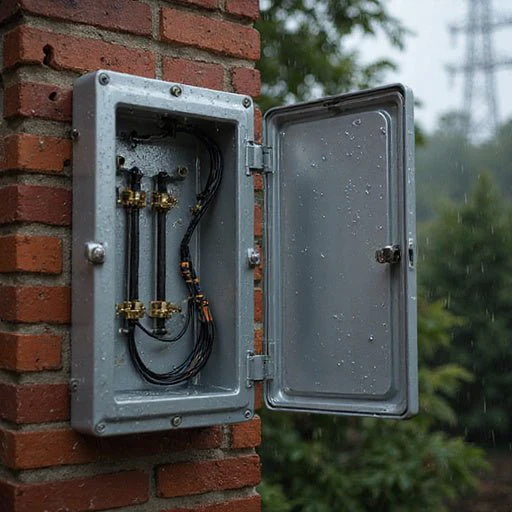
If you discover a junction box hidden behind drywall, you should correct it as soon as practical. The basic process is straightforward, but always prioritize safety.
- Turn off the circuit at the breaker and verify that the power is off with a suitable tester.
- Use circuit tracing tools or follow cable runs from fixtures and outlets to approximate the box location.
- Cut the drywall only large enough to fully expose the front of the junction box.
- Avoid damaging surrounding cables when cutting, and work slowly around the box area.
- If the box is set too deep, use an extension ring or replace it with an old‑work box that sits flush with the drywall.
- Ensure the box is properly supported and securely fastened to framing or an approved mounting method.
- For typical walls, install a standard junction box cover plate that remains visible.
- For concealed spaces like behind cabinetry, install a removable, labeled access panel that provides full access to the box.
- In many jurisdictions, any modification to fixed wiring may require inspection to confirm compliance.
- Where permits are required, schedule an inspection before closing the wall or finishing the space.
When in doubt, consult a licensed electrician rather than attempting complex corrections on your own.
Thoughtful planning can prevent accessibility problems well before they happen.
- Place junction boxes in basements, utility rooms, closets, or unfinished spaces where covers are visually acceptable.
- In finished rooms, align junction boxes with other visible plates, such as low on walls near outlets, so they feel intentional.
- Avoid installing junction boxes directly behind fixed cabinetry, tiled surfaces, or built‑ins unless you include a matching access panel.
- For easier maintenance, keep a simple circuit map noting every junction box location in the building.
These practices improve both safety and user experience when troubleshooting or upgrading circuits later.
Access panels are a smart compromise in locations where exposed covers would be unsightly but full accessibility is still required.
Common acceptable locations for junction boxes behind access panels include:
- Behind bathtubs or showers, within manufacturer‑recommended service panels.
- Above drop ceilings where panels are removable and provide direct access.
- Inside equipment closets or mechanical rooms where labeled panels are standard.
To stay compliant, the access panel should:
- Require no demolition to open.
- Provide full, comfortable access to the box interior.
- Be clearly labeled for electrical access so it is not inadvertently sealed during future renovations.
Even experienced DIYers and some contractors sometimes repeat the same errors. Knowing them in advance helps you avoid costly rework.
- Taping or mudding over box openings before installing a cover, leaving connections sealed in the wall.
- Installing a box too deep and covering it with thick drywall or paneling so that the cover cannot be mounted flush.
- Running splices outside of boxes and trying to hide them behind drywall, which is strictly prohibited.
- Using non‑rated containers or improvised enclosures instead of approved junction boxes.
- Failing to add an access panel when placing boxes behind tubs, built‑ins, or decorative surfaces.
Avoiding these mistakes is key to passing inspection and maintaining long‑term electrical safety.
Keeping junction boxes accessible is only the first step. Regular maintenance and smart habits further reduce risk.
- Schedule periodic visual inspections in accessible areas to check for discoloration, loose covers, or unusual odors.
- Ensure all covers remain secure and intact after renovations, painting, or furniture changes.
- When adding new loads or extending circuits, always perform splices inside an appropriately sized box, using proper box fill calculations.
- Use listed components and follow manufacturer instructions for connectors and fittings.
If you notice frequent breaker trips, flickering lights, or warm wall areas near junction boxes, contact a professional to investigate immediately.
While code‑savvy homeowners can handle some basic tasks, certain situations clearly require professional expertise and tools.
- You suspect multiple hidden junction boxes from older renovations.
- Circuits are complex or serve critical loads such as HVAC systems, EV chargers, or pumps.
- You need to relocate junction boxes across fire‑rated assemblies or structural walls.
- Your project is subject to permit and inspection requirements and must follow both national and local code amendments.
A professional will ensure that every junction box is properly located, supported, grounded, and accessible, reducing risk and protecting your property investment.
In simple terms, a junction box cannot be permanently buried behind drywall, plaster, or paneling without access.
- The front of the box must either be flush with the finished surface and covered with a visible plate, or located behind a removable, clearly labeled access panel.
- Ignoring these requirements creates fire, shock, code, and insurance risks that are easily avoided with correct planning and installation.
If you are unsure whether your installation complies with junction box requirements, do not close the wall yet. Have a licensed electrician review the layout and correct any issues first.
If you are planning new wiring, remodeling a room, or correcting existing electrical work, make junction box accessibility a non‑negotiable safety standard. Before you close any wall or ceiling, confirm that every junction box is properly sized, securely supported, and fully accessible with a visible cover or well‑designed access panel.
Partner with a licensed electrician and a reliable enclosure manufacturer to choose certified junction boxes and housings that match your application, whether you are working on a residential renovation, a commercial facility, or a smart industrial system. The right junction box placement today will save you time, cost, and risk for many years to come.
Contact us to get more information!

No. Even if you remember the location, a junction box buried behind drywall without an accessible cover or panel is still considered concealed and does not meet accessibility requirements.
Covering a junction box with a removable picture is usually acceptable if the cover plate remains in place and the box is still easily reachable. Permanently blocking it with fixed furniture or built‑ins is not acceptable.
You can place a junction box in a ceiling cavity only if it remains accessible through a ceiling panel, attic access opening, or other removable opening that does not require demolishing finishes.
Yes. All splices and terminations must be contained within an approved enclosure with a proper cover. Open splices behind drywall are not allowed.
Typically you will be required to expose the box, bring it flush to the surface or provide an approved access panel, and then have the work re‑inspected to confirm compliance before you close up the wall again.
1. https://viox.com/can-junction-boxes-be-behind-drywall/
2. https://viox.com/nec-code-for-junction-boxes/
3. https://lianjer.com/nec-junction-box-code/
4. https://magnifyelectric.com/can-junction-boxes-be-behind-drywall/
5. https://handymansingapore.net/electrical-code-compliance-for-junction-box-installation/
6. https://greenyplace.com/is-it-against-code-to-put-a-junction-box-in-the-wall

2026-07-26

2026-07-24


