


Views: 222 Author: Amanda Publish Time: 2026-02-06 Origin: Site


Content Menu
● When Energizing Electrical Equipment The Electrical Enclosure Door Should Be?
● Why Electrical Enclosure Doors Should Stay Closed When Energized
● Standards and Regulations Affecting Enclosure Electrical Doors
● Enclosure Electrical Design Features That Support Safe Door‑Closed Operation
● Typical Applications of Safe Enclosure Electrical Practice
● Practical Guidance for Operating Enclosure Electrical Doors in the Field
● Ningbo Bohui Electric Co., Ltd. and Safe Enclosure Electrical Solutions
● Best Practices for Selecting and Using Enclosure Electrical Systems
● FAQ – Common Questions About Enclosure Electrical Doors
>> FAQ 1 – When exactly should an enclosure electrical door be closed or open on energized equipment?
>> FAQ 2 – Are interlocked enclosure electrical doors mandatory?
>> FAQ 3 – Does a closed enclosure electrical door eliminate arc‑flash risk?
>> FAQ 4 – What clearances are needed in front of enclosure electrical panels and doors?
>> FAQ 5 – How do enclosure electrical ratings (NEMA/IP) relate to keeping the door closed?
When energizing electrical equipment, the electrical enclosure door should normally remain closed and latched, and it should only be opened by qualified persons following proper lockout‑tagout (LOTO), arc‑flash, and shock‑protection procedures. This simple rule dramatically reduces the risk of shock, arc‑flash, fire, and unauthorized access to live parts inside any enclosure electrical system.

When an enclosure electrical cabinet or panel is energized, its door is the first physical barrier between people and live conductors. Keeping that door closed, properly rated, and correctly installed is essential for safety and code compliance in power, communication, industrial automation, building, and new‑energy systems. For a professional manufacturer such as Ningbo Bohui Electric Co., Ltd., designing enclosure electrical solutions that enable safe operation with the door closed is a core part of responsible engineering.
You should only open an enclosure electrical door on energized equipment when there is a clearly justified need, the task has been risk‑assessed, and appropriate PPE, tools, and qualified personnel are in place. In many applications—from power distribution to EV charging and energy storage—modern enclosure electrical designs allow monitoring, indication, and even operation to be done from outside, so the door can stay shut while the system remains live.
By emphasizing closed‑door operation, you protect technicians, visitors, and nearby equipment from unexpected faults. At the same time, you respect the design intent of the enclosure electrical cabinet, which was engineered to provide a protective boundary around energized parts. This boundary should never be defeated casually or for convenience.
Most electrical safety and enclosure electrical standards are built around the principle that live parts must not be exposed during normal operation. Keeping the door closed helps maintain that protective boundary and ensures that only insulated parts, external controls, and properly guarded interfaces are accessible. It also preserves the environmental rating (NEMA/IP) that protects internal components from dust, moisture, and corrosive atmospheres.
Key reasons the door should be closed when energizing electrical equipment include:
- Shock protection: A closed, properly grounded enclosure electrical cabinet prevents inadvertent contact with live parts by operators, maintenance staff, and untrained personnel.
- Arc‑flash risk reduction: Closed doors and covers can significantly reduce the exposure of personnel to arc‑flash incident energy in many scenarios, especially when the enclosure electrical system was tested as a complete assembly.
- Fire containment: Closed doors help contain faults and delay the spread of fire or molten metal, giving time for protective devices to clear faults and limiting damage.
- Environmental integrity: Closing the door preserves the enclosure electrical rating against dust, water, chemicals, and other contaminants that can degrade insulation and cause failures.
- Unauthorized access control: Locked doors prevent unqualified personnel or the public from accessing internal components, switches, and wiring.
From a safety culture perspective, “door closed when energized” is a simple rule that can be trained, audited, and visually confirmed. This rule supports both day‑to‑day operation and long‑term asset reliability.
Global and local regulations may use different language, but they converge on a core requirement: energized parts must be guarded and accessible only to qualified persons. In many major markets, occupational safety regulations and electrical codes require panels and enclosures to have adequate guarding, proper doors or covers, and sufficient working space in front of them.
These rules typically address three aspects:
- Guarding of live parts: Live conductors above certain voltages must be enclosed or otherwise guarded so they are not accidentally contacted.
- Accessibility: Enclosure electrical equipment must be arranged so that only authorized, trained personnel can access internal parts, often by using locks or restricted locations.
- Working space: Defined clearances in front of panels and enclosure electrical doors help ensure that workers can move safely, operate equipment, and escape in an emergency.
NFPA 70E and similar safety standards focus on protecting workers from arc‑flash and shock. They emphasize that cabinets and enclosures should be kept closed during normal operation, and that opening doors on energized equipment often requires elevated protection and documented justification. Opening an enclosure electrical door under load is treated as a task that can increase risk and therefore demands a higher level of control.
Standards such as UL 508A for industrial control panels require that access to live parts above specific voltages be interlocked with the disconnecting means, so the enclosure electrical door cannot be opened while circuits remain energized. For enclosure electrical design and selection, UL, IEC, NEMA, and IP rating standards specify construction, ingress protection, and other design features that indirectly support the door‑closed principle by ensuring safe operation with the enclosure sealed.
Even where local codes are less prescriptive, following these widely recognized standards is considered best practice. For manufacturers and end users alike, aligning enclosure electrical solutions with these frameworks helps demonstrate due diligence and reduces liability.
A modern enclosure electrical system should be designed so that most user interaction happens with the door closed. This is especially true in industries such as power transmission, data centers, industrial smart manufacturing, buildings, new‑energy storage, new‑energy vehicles, and pump systems where safety, uptime, and regulatory compliance all matter.
Manufacturers like Ningbo Bohui Electric Co., Ltd. can incorporate specific features to support closed‑door operation:
- Viewing windows: Allow operators to read instruments, meters, labels, and status LEDs without opening the enclosure electrical door. This supports visual inspections even under harsh conditions.
- External HMIs and push buttons: Place key controls, reset buttons, selector switches, and emergency stops on the outside of the enclosure electrical cabinet. This avoids unnecessary access to internal wiring.
- Door interlocks: Mechanical or electrical interlocks tie the enclosure electrical door to the main disconnect, so the door cannot be opened while power is on. Some designs also prevent the disconnect from being turned on while the door is open.
- Robust door hardware: Strong hinges, latches, and lockable handles prevent accidental opening, reduce vibration‑induced gaps, and resist tampering in public or outdoor locations.
- Proper gasketing and sealing: Quality gaskets, seals, and compression mechanisms ensure that the rated NEMA/IP protection is maintained whenever the enclosure electrical door is closed.
- Internal segregation: Barriers or compartments within the enclosure electrical cabinet can limit the exposure to live parts even when a small section is opened for maintenance.
These design elements not only support safety but also make daily operation more convenient. Operators can see what they need to see, perform basic actions, and confirm system status without defeating the protection offered by the enclosure electrical door.
Because enclosure electrical technology is used across many sectors, the “door closed when energized” principle has practical implications in each environment.
1. Power and distribution systems
Switchgear, distribution boards, and meter cabinets are often located in technical rooms or outdoor kiosks. Safe design includes clear operating handles on the outside, padlockable doors, and highly visible markings. Keeping the enclosure electrical door closed during switching minimizes risk if a fault occurs at the moment of operation.
2. Communication and networking
In communication networks and data centers, enclosure electrical units protect equipment such as power supplies, UPS systems, and DC distribution. Closed doors maintain cooling airflow patterns, protect electronics from dust, and discourage unauthorized adjustments to internal settings.
3. Industrial smart manufacturing
Production lines use control panels, PLC cabinets, and drive enclosures that house complex wiring and electronics. Operators perform most actions via external HMIs, push buttons, and signal lights, while the enclosure electrical door remains shut. Only trained maintenance staff open the cabinet, usually with the system de‑energized.
4. Building and infrastructure
In commercial buildings, hotels, hospitals, and public facilities, enclosure electrical systems are often installed in corridors, basements, and rooftops. Locked, closed doors protect the public from live parts and keep critical systems running in a controlled environment.
5. New‑energy storage and EV applications
Battery energy storage systems, EV chargers, and related power electronics often operate at high voltages and currents. Here, robust enclosure electrical designs with interlocks, monitoring windows, and outdoor‑rated housings are essential. Closed‑door operation protects both users and high‑value assets.
6. Pump and water systems
Pump stations for municipal water, irrigation, and industrial fluids typically operate in damp or corrosive environments. Keeping the enclosure electrical door closed maintains the IP or NEMA rating and prevents moisture intrusion that could lead to tracking, corrosion, or short circuits.
In each of these scenarios, the same principle holds: whenever the equipment is energized, the enclosure electrical door should be closed, and interacting with the system should be possible from outside whenever feasible.
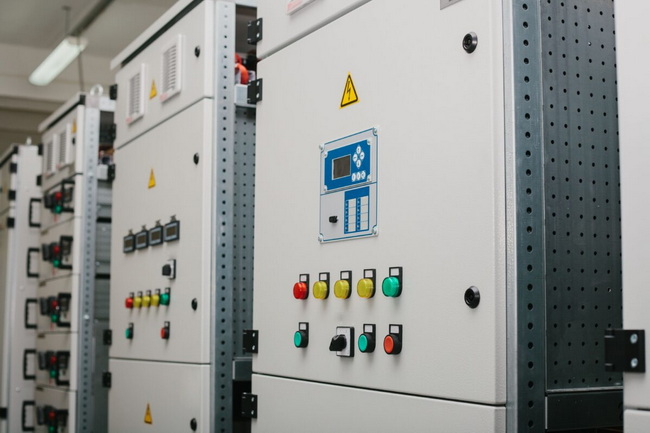
In real‑world environments—power substations, EV charging infrastructure, pump systems, industrial networks, and building automation—technicians need clear procedures for when and how to operate enclosure electrical doors. These procedures connect the design intent of the enclosure electrical cabinet with safe day‑to‑day use.
A practical sequence for technicians working around energized enclosure electrical equipment typically includes:
1. Verify access
Ensure the required clearance in front of the enclosure electrical panel. Adequate working space allows safe movement, operation, and emergency retreat. Avoid storing materials or tools in this zone.
2. Inspect the enclosure
Check that the enclosure electrical door, hinges, sealing, labels, and external components are intact and not obstructed. Look for signs of overheating, discoloration, unusual noise, or odor.
3. Confirm normal operation with door closed
For routine switching, monitoring, and control, keep the door closed and use external handles, HMIs, and indicators. Avoid opening the enclosure electrical door just to “take a quick look” inside.
4. Plan intrusive work
If internal access is required, plan to de‑energize circuits whenever possible. Apply lockout‑tagout, verify absence of voltage with an appropriate tester, and only then open the enclosure electrical door. This step is critical for safe work in any enclosure electrical environment.
5. Document any energized work
If de‑energization is not feasible, follow formal energized work permitting procedures, apply appropriate PPE, and minimize the time spent with the enclosure electrical door open. Ensure that all team members understand the boundaries and risks.
6. Restore and secure
After work is complete, confirm that barriers are in place, tools are removed, and all covers are correctly installed. Close and latch the enclosure electrical door, verify sealing, and, if required, lock the cabinet before re‑energizing.
By embedding these steps into standard operating procedures and training, organizations can significantly reduce the number of incidents related to enclosure electrical equipment.
As a professional electrical enclosure manufacturer, Ningbo Bohui Electric Co., Ltd. serves power, communication, networking, industrial smart manufacturing, construction, new‑energy storage, new‑energy vehicles, and pump system markets that demand high safety and reliability. In all of these fields, enclosure electrical equipment must support safe operation under energized conditions with the door closed, and safe, controlled access when de‑energized.
To meet these needs, manufacturers carefully select materials such as coated steel, stainless steel, or engineered plastics that can withstand environmental challenges while preserving electrical insulation. They design enclosure electrical cabinets with high mechanical strength, reliable door systems, and durable gaskets to ensure long‑term performance. Attention to detail in welding, bending, and surface treatment helps maintain both aesthetics and safety.
By aligning enclosure electrical materials, mechanical design, door hardware, interlocking schemes, and environmental ratings with recognized international standards, manufacturers help users meet local electrical safety regulations and best practices. This includes supporting customers in selecting enclosure electrical cabinets that are properly rated for indoor or outdoor use, resist corrosion, manage heat through ventilation or cooling, and maintain protective performance throughout the product life cycle.
Ningbo Bohui Electric Co., Ltd. can also work with system integrators and end users to optimize enclosure layout. Good layout decisions—such as proper cable routing, separation of power and control wiring, and clear labeling—make it easier to operate the system with the door closed and safer to perform maintenance when the enclosure electrical door must be opened.
For end users, engineers, and contractors, choosing the right enclosure electrical solution and using it correctly are equally important. The following best practices can guide both selection and operation:
- Match the rating to the environment
Ensure the NEMA or IP rating of the enclosure electrical cabinet is appropriate for the location (indoor, outdoor, wet, dusty, corrosive, or explosive atmospheres). A correctly rated enclosure is designed to perform as specified with the door closed.
- Consider future maintenance
When designing panels and choosing enclosure sizes, allow enough space for safe maintenance. A slightly larger enclosure electrical cabinet may make it easier to keep wiring organized, install barriers, and avoid cramped, high‑risk conditions.
- Use clear labeling
Apply durable labels for circuit identification, safety warnings, and operating instructions on the outside and inside of the enclosure electrical door. Clear labels reduce errors and help technicians respect boundaries.
- Train personnel
Make sure operators and maintenance staff understand why enclosure electrical doors must remain closed, what PPE is required, and how to follow LOTO and test‑before‑touch practices.
- Inspect regularly
Implement periodic inspection programs for enclosure electrical systems, especially in harsh environments. Look for loose door hardware, degraded gaskets, corrosion, and unauthorized modifications.
These practices help ensure that the theoretical safety built into the enclosure electrical design is realized in everyday operation.
When energizing electrical equipment, an electrical enclosure door should be closed, latched, and—where appropriate—locked, with internal access reserved for qualified personnel following robust safety procedures. Thoughtful enclosure electrical design, adherence to recognized standards, and disciplined field practices together ensure that systems in power, communication, industrial, building, and new‑energy applications remain safe, reliable, and compliant throughout their service life.
Contact us to get more information!
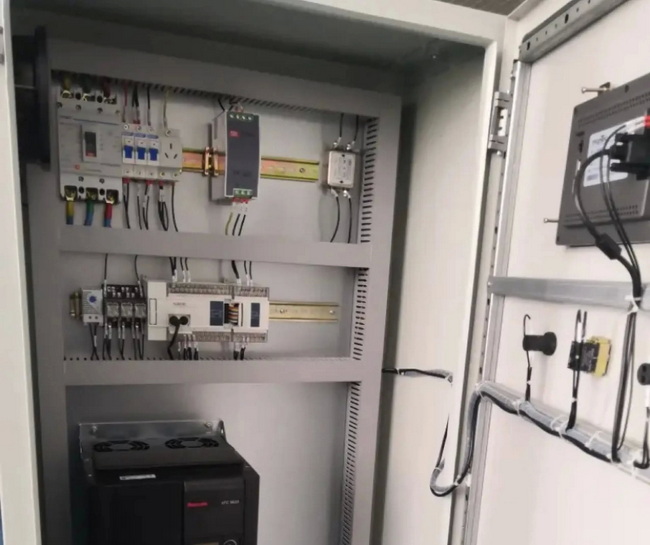
Under normal operating conditions, the enclosure electrical door should remain closed and latched whenever the internal equipment is energized. The door should only be opened by qualified personnel for necessary inspection, testing, or maintenance, and ideally after the circuits inside the enclosure electrical cabinet have been de‑energized and locked out. If opening is unavoidable on energized equipment, the work should follow formal procedures and use appropriate PPE.
In many industrial control panels and similar applications, standards and product listings require interlocking of doors that provide access to live parts above defined voltage thresholds. Under these rules, the enclosure electrical door cannot be opened while the main disconnect is in the ON position, except under controlled conditions. Even where such interlocks are not strictly mandatory, they are widely recommended as a best‑practice safety feature in modern enclosure electrical systems.
A closed door does not eliminate arc‑flash risk, but it can significantly reduce the exposure of personnel to incident energy in many equipment configurations. Workers must still respect arc‑flash boundaries, wear appropriate PPE where required, and follow approved procedures when working near energized enclosure electrical equipment. The door is one element in a larger arc‑flash risk‑reduction strategy that also includes proper coordination of protection devices and sound maintenance.
Regulatory guidance in many jurisdictions specifies minimum working space clearances in front of electrical panels and enclosures. Typical values require sufficient depth, width, and height to allow safe operation and escape in an emergency. These clearances must be maintained so that enclosure electrical doors can open at least 90 degrees and workers can move safely while operating or servicing the equipment. Storing boxes, tools, or other items in this space is unsafe and often prohibited.
NEMA and IP ratings describe how well an enclosure electrical cabinet protects internal components against dust, water, and other environmental factors, assuming the door is properly closed and sealed. Leaving the door open or improperly latched compromises this protection and may shorten equipment life, increase fault risk, or void compliance with specified ratings. To maintain the intended level of protection, the enclosure electrical door should be closed during normal operation and only opened for controlled maintenance activities.
1. https://www.emsd.gov.hk/filemanager/en/content_444/GN-ElectricalProductsSafetyRegulation2019.pdf
2. https://www.kdmsteel.com/electrical-enclosure-safety/
3. https://search.abb.com/library/Download.aspx?DocumentID=G574e&LanguageCode=en&DocumentPartId=1&Action=Launch
4. https://viox.com/electrical-enclosures-a-comprehensive-guide/
5. https://www.nvent.com/sites/default/files/acquiadam/assets/HOFFMAN-WPCS-N1240303-UL508Interlocking-UKEN.pdf
6. https://forums.mikeholt.com/threads/osha-nec-requirements-for-cover-or-door-for-electrical-panel-pictured.119741/
7. https://brainfiller.com/arcflashforum/viewtopic.php?f=2&t=709
8. https://enclosurepro.co.uk/elementor-2281/
9. https://www.reddit.com/r/OSHA/comments/hi0n0b/hide_and_go_seek_with_electrical_panels_the_door/
10. https://www.eng-tips.com/threads/nfpa-70e-opening-of-doors-is-an-arc-flash-risk.376251/
11. https://spep.com/blog/electrical-enclosures-standards-and-ratings-guide/
12. https://www.bradyid.com/resources/osha-electrical-panel-clearance-requirements
13. https://www.flir.com/discover/instruments/electrical-mechanical/nfpa-7de-2018-edition/
14. https://www.uscompliance.com/blog/electrical-safety-youre-doing-it-wrong/
15. https://www.controleng.com/codes-and-regulations-electrical-controls-dirty-little-secret-we-dont-follow-nfpa-rules/


2026-04-22

2026-04-21


