


Views: 222 Author: Amanda Publish Time: 2026-02-06 Origin: Site


Content Menu
● What Is an Electrical Enclosure?
● Why Electrical Enclosures Matter
● Key Functions of an Enclosure Electrical Solution
>> Protection for People and Equipment
>> Environmental and Ingress Protection
>> Organization and Maintainability
>> Thermal Management and Ventilation
>> Safety, Locking, and Access Control
● Common Types of Electrical Enclosure
>> By Material
● Where Electrical Enclosures Are Used
>> Power, Utilities, and Substations
>> Telecommunications and Networking
>> Industrial Automation and Smart Manufacturing
>> Building Infrastructure and Smart Cities
>> New Energy, EV, Water, and Pumps
● How to Choose the Right Enclosure Electrical Solution
>> Step 1: Define the Environment
>> Step 2: Understand Ratings and Standards
>> Step 3: Plan Internal Layout and Access
>> Step 4: Consider Life‑Cycle and Customization
● Benefits of High‑Quality Electrical Enclosures
>> Safety, Reliability, and Compliance
>> Efficiency, Flexibility, and Aesthetics
● FAQs About Electrical Enclosures
>> 1. What exactly is an electrical enclosure?
>> 2. How do I choose between NEMA and IP ratings?
>> 3. Which material is best for enclosure electrical cabinets?
>> 4. Why does ventilation or cooling matter inside an enclosure?
>> 5. Where are electrical enclosures most commonly used?
An electrical enclosure is a protective housing that safely contains electrical and electronic components while shielding people and equipment from electrical hazards and environmental damage. A well‑designed enclosure electrical solution is essential in power, telecommunications, networking, automation, building systems, and new‑energy applications such as energy storage and electric vehicles.
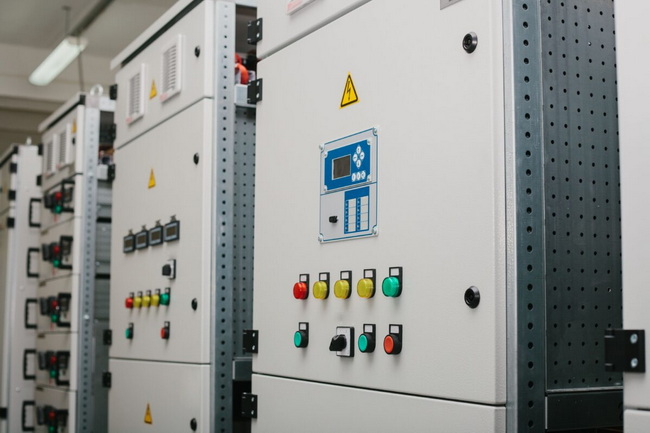
An electrical enclosure is a purpose‑built cabinet or box that houses electrical and electronic equipment such as switches, circuit breakers, relays, meters, PLCs, and control systems. This enclosure electrical design protects users from live parts and protects the internal components from dust, moisture, impact, tampering, and other environmental influences.
Inside a typical enclosure electrical unit you may find DIN rails, mounting plates, wiring ducts, and terminal blocks organized so maintenance technicians can work safely and efficiently. From the outside, the enclosure electrical housing is usually the only visible part of the equipment, so it must be safe, durable, and visually acceptable in its installation environment. In many industrial and infrastructure projects, the reliability of the entire system depends on choosing the right enclosure electrical configuration for the job.
Electrical enclosures serve two critical safety functions at the same time. They keep people away from hazardous voltages and arcs, and they shield sensitive components from conditions that would cause overheating, corrosion, tracking, or early failure.
An enclosure electrical solution prevents accidental contact, reduces the risk of electric shock, and helps contain electrical faults so they do not spread to nearby equipment or structures. At the same time, a properly rated enclosure electrical housing resists dust, rain, splashing water, chemicals, and mechanical impact, extending the life of switchgear, electronics, and control devices.
In addition, electrical enclosures support regulatory compliance. They are designed and manufactured according to relevant safety and performance standards so that complete systems can pass inspections and operate legally in their target markets. When you select a suitable enclosure electrical product, you are also supporting code compliance, worker safety policies, and insurance requirements.
The first job of an enclosure electrical cabinet is to protect personnel from live conductors and moving parts. Doors, covers, lockable latches, and solid walls create a barrier so only trained technicians can access energized components.
At the same time, enclosure electrical housings shield equipment from dust, oil, rain, snow, corrosive atmospheres, and impacts that could damage insulation, electronics, and terminals. In harsh outdoor or industrial environments, this protection is the difference between stable operation and frequent breakdowns.
To describe how well an enclosure electrical product resists solids and liquids, standards bodies use NEMA and IP ratings. NEMA ratings are widely used in North America and specify the type of environment—indoor, outdoor, dusty, wet, corrosive—in which the enclosure can safely operate.
IP ratings (Ingress Protection) use two digits: the first for protection against solid objects and dust, and the second for protection against water. Higher IP values usually mean a more sealed enclosure electrical design that can handle splashes, sprays, or even temporary submersion in water.
Beyond protection, enclosure electrical cabinets play a key role in organizing automation, power, and control systems. They provide structured mounting space so engineers can arrange components logically, label circuits clearly, and route cables in an orderly way for safer maintenance.
Good internal layout in an enclosure electrical unit improves airflow, makes troubleshooting faster, and reduces the chance of wiring errors during installation or upgrades. For smart factories and complex networks, this level of organization supports higher uptime, more reliable operation, and easier system expansion.
Another important function of an enclosure electrical system is thermal management. Every device inside the cabinet produces heat, and without proper ventilation or cooling, temperatures can rise high enough to damage components or shorten their service life.
Engineers must consider the ambient temperature, the total heat load of the devices, and the expected operating conditions when designing an enclosure electrical solution. Depending on requirements, they might specify simple passive vents, filtered fans, heat exchangers, or even active air‑conditioning units to keep critical equipment within its safe operating range.
Electrical enclosures are also a key part of access control for dangerous voltages and critical automation systems. By using suitable locking mechanisms, padlock hasps, and door interlocks, an enclosure electrical design can ensure that only authorized personnel can open the cabinet.
In some applications, interlocks are used so doors cannot be opened while the equipment is energized. This further improves safety and supports lock‑out and tag‑out procedures during maintenance. A well thought‑out enclosure electrical configuration can integrate these safety functions without sacrificing convenience for trained users.
Different applications require different enclosure electrical designs, materials, and ratings. Below are some of the most widely used categories.
- Steel and stainless steel enclosure electrical
These offer high mechanical strength and can be finished for indoor or outdoor applications, with stainless steel providing strong corrosion resistance in harsh or coastal environments.
- Aluminum enclosure electrical
These housings combine good strength with lighter weight and natural corrosion resistance, popular in transportation, outdoor power systems, and telecom uses.
- Polycarbonate and fiberglass enclosure electrical
These non‑metallic options are lightweight, non‑conductive, and resistant to many chemicals, commonly used in water treatment, food processing, and outdoor IoT systems.
- Sheet‑metal customized enclosure electrical
These are tailored housings optimized for specific layouts, cooling needs, and branding requirements in OEM and industrial projects.
- Wall‑mounted enclosure electrical
Compact cabinets mounted on walls or frames, ideal for distribution boards, small control panels, and communication equipment in buildings and factories.
- Floor‑standing enclosure electrical
Larger free‑standing cabinets used for motor control centers, switchgear, and large automation systems in substations, plants, and infrastructure facilities.
- Pole‑mounted enclosure electrical
Rugged outdoor housings fixed to poles or pedestals for street lighting control, traffic management, and remote monitoring systems.
- Modular enclosure electrical
Configurable systems that can be joined or expanded as the installation grows, common in smart manufacturing, data infrastructure, and large process plants.
- NEMA 1 / typical IP10–IP20 enclosure electrical
Basic indoor protection against accidental contact and limited dust, suitable for clean, dry environments such as office buildings and light commercial spaces.
- NEMA 3 / 3R / 4 / 4X enclosure electrical
Outdoor‑capable housings that resist rain, sleet, and hose‑directed water, with 4X adding corrosion resistance for tough climates or chemical exposure.
- NEMA 12 / 13 enclosure electrical
Indoor units that protect against circulating dust, oil, and non‑corrosive coolants, often used around machinery, packaging lines, and industrial automation cells.
- IP65–IP67 enclosure electrical
Highly sealed cabinets offering dust‑tight and strong water‑resistant performance, often needed for wash‑down environments, marine areas, or exposed outdoor locations.
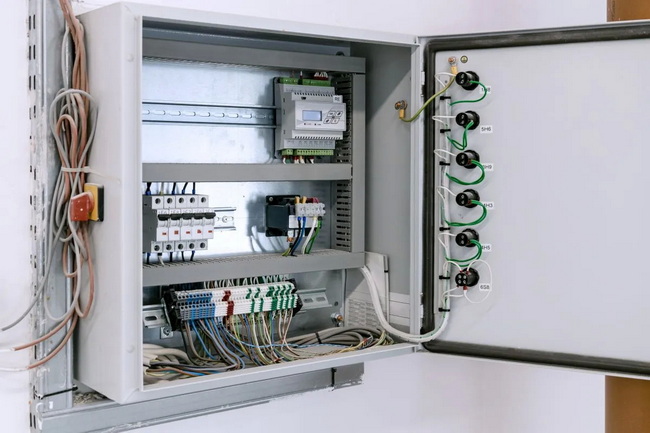
Electrical enclosures are essential across almost every modern industry. From traditional power grids to new‑energy charging networks, a reliable enclosure electrical solution is central to safe and dependable operation.
Power plants and substations use large enclosure electrical cabinets to house protection relays, control panels, communication gear, meters, and auxiliary systems. These enclosures must tolerate high fault currents, strong electromagnetic fields, and demanding outdoor weather over many years.
In transmission and distribution networks, enclosure electrical housings protect reclosers, capacitor controls, automation equipment, and monitoring devices located on poles or in yards. Durable construction and proper protection ratings help prevent outages caused by moisture, dust, pollution, or corrosion.
In telecommunications and data networking, enclosure electrical products protect switches, routers, radio units, and power systems in both indoor and outdoor sites. For base stations, edge computing cabinets, and fiber distribution points, thermal management and sealing are critical to keep electronics within their operating range.
An enclosure electrical solution in this field often includes cable management, grounding hardware, and options for fans, heat exchangers, or air‑conditioning. This ensures stable performance of high‑density electronics that form the backbone of modern communication and cloud services.
Factories and smart production lines rely on enclosure electrical systems to protect PLCs, drives, HMI panels, and field I/O modules. These cabinets face vibration, airborne dust, coolant mist, and sometimes aggressive cleaning practices.
A robust enclosure electrical design improves uptime by keeping contaminants away from sensitive boards and power supplies while providing orderly wiring for fast troubleshooting. With Industry 4.0 and IIoT, integrated sensors, gateways, and industrial PCs inside the enclosure support condition monitoring, data collection, and remote diagnostics.
Commercial buildings, hospitals, transport hubs, data centers, and smart‑city installations all depend on enclosure electrical units for low‑voltage distribution, lighting control, fire systems, access control, and building management systems. These enclosures must meet architectural, safety, and accessibility requirements while blending into public spaces.
Outdoor urban systems—such as traffic control cabinets, EV charging pillars, intelligent street lighting, and security systems—use sealed enclosure electrical housings to protect electronics from rain, pollution, vandalism, and temperature extremes. Reliable enclosures help cities operate more safely and efficiently.
Energy storage systems, photovoltaic inverters, wind power control panels, and EV charging stations all rely on purpose‑built enclosure electrical cabinets. These housings manage heat, isolate high‑voltage parts, and provide environmental protection in outdoor car parks, rooftops, and utility sites.
Water supply networks, wastewater treatment plants, and pump stations use enclosure electrical control panels for motor starters, variable‑speed drives, level monitoring, and SCADA interfaces. Resistant materials and appropriate IP or NEMA ratings help prevent moisture ingress and corrosion around pumps, basins, and pipelines.
Selecting a suitable enclosure electrical design begins with understanding the environment, the electrical system, and the maintenance needs. The process combines technical rating checks with practical installation considerations.
Start by deciding whether the enclosure will be installed indoors or outdoors. Indoor cabinets may still face dust, oil mist, or cleaning fluids, while outdoor units must withstand rain, UV exposure, and temperature swings.
Next, identify the presence of dust, chemicals, or wash‑down processes. This will help determine the material, sealing level, and surface treatments required for your enclosure electrical solution. Finally, estimate the ambient temperature and internal heat load so you can decide whether natural ventilation is enough or if you need fans or active cooling.
Choose appropriate NEMA or IP ratings based on the environment you defined. For example, a basic indoor panel might use a lower rating, while a food‑processing machine in a wash‑down area may require a high‑sealing stainless‑steel enclosure electrical design.
You should also consider corrosion resistance when selecting materials and coatings. Coastal locations, chemical plants, or environments with aggressive cleaners often demand stainless steel or robust non‑metallic housings. Finally, check the relevant standards that apply to your project so the chosen enclosure electrical products support compliance and certification.
An effective enclosure electrical layout leaves enough space for current components and allows for future expansion. Adequate clearances, cable bending radii, and room for additional devices make the system more flexible and easier to maintain.
Select suitable mounting accessories such as back plates, DIN rails, cable glands, and entry plates. Plan the door opening direction, placement of handles, and lock types so technicians can work comfortably and safely. This planning stage also includes considering how often the enclosure electrical cabinet will be opened and what kind of access is required.
When comparing options, look beyond the purchase price and evaluate total life‑cycle cost. A more robust enclosure electrical system may be more expensive initially but will often pay off through reduced downtime, fewer failures, and lower maintenance effort.
You can also benefit from modular and customizable platforms that adapt to changing needs. For example, you might add extra sections for new drives or communication modules, or integrate your own branding, cut‑outs, door windows, or color schemes. Customized enclosure electrical solutions help equipment manufacturers and system integrators deliver more professional, integrated products.
A well‑engineered enclosure electrical solution delivers benefits far beyond simple housing of components.
High‑quality enclosure electrical cabinets support electrical safety by reducing shock risk, arc exposure, and unintended contact with energized parts. They also help systems meet electrical codes and industry standards, which is essential for inspections, insurance, and long‑term safe operations.
Reliable environmental sealing and mechanical strength minimize unplanned outages caused by dust, moisture, or impact damage. For critical infrastructure such as utilities, data centers, or transport systems, this reliability translates directly into higher availability and lower downtime‑related costs.
By organizing components and wiring, enclosure electrical solutions reduce installation time and make service tasks faster and safer. Modular designs provide flexibility to adjust layouts or add new devices without replacing entire cabinets.
In visible locations such as commercial buildings or public spaces, the external look of the enclosure electrical housing supports a clean, professional appearance. With thoughtful design, these enclosures integrate seamlessly into modern architectural and urban environments while still delivering high levels of protection.
Electrical enclosures are much more than simple metal or plastic boxes; they are engineered housings that protect people from electrical hazards and protect critical components from environmental stress. By choosing the right enclosure electrical design—matching materials, NEMA or IP ratings, internal layout, thermal management, and safety features to your specific application—you can significantly improve safety, reliability, and lifecycle performance in power, telecom, industrial, building, water, and new‑energy systems. A carefully selected and well‑built enclosure electrical solution becomes a long‑term asset that supports stable operation, easier maintenance, and safer working conditions across the entire life of your equipment.
Contact us to get more information!

An electrical enclosure is a dedicated housing that contains electrical or electronic equipment and separates it from the surrounding environment and untrained personnel. In simple terms, the enclosure electrical cabinet is the protective shell around components such as breakers, contactors, control relays, PLCs, and communication devices.
NEMA and IP systems both describe how well an enclosure electrical product resists dust, water, and other environmental conditions, but they use different methods and are not perfectly equivalent. If your project follows North American standards, NEMA types are typically specified, while international projects often use IP codes; in all cases, you should match the chosen rating to the real environment, such as indoor dry, dusty industrial, outdoor exposed, or wash‑down conditions.
For indoor clean areas, painted steel often provides strong and economical enclosure electrical performance. In corrosive, coastal, or chemical environments, stainless steel, aluminum, or high‑quality polycarbonate and fiberglass housings usually offer better long‑term resistance and lower risk of rust or degradation.
Every component inside an enclosure electrical cabinet generates heat, and poor ventilation can shorten equipment life, affect measurement accuracy, or trigger unexpected shutdowns. Depending on load and environment, you may need simple vents, filtered fans, heat exchangers, or active cooling systems to keep internal temperatures within the specified limits of your devices.
You will find enclosure electrical systems everywhere: power plants and substations, factories, process plants, data centers, telecom sites, commercial and public buildings, EV charging stations, energy storage systems, water treatment works, and pump stations. Any place that uses electricity or automation equipment needs suitable enclosures to protect people, components, and long‑term operations.
1. https://en.wikipedia.org/wiki/Electrical_enclosure
2. https://www.nema.org/membership/products/view/enclosures
3. https://dohoelectric.com/what-is-electrical-enclosure/
4. https://ritherdon.co.uk/what-is-an-electrical-enclosure/
5. https://www.zfymeterbox.com/info/what-is-electrical-enclosure-63760240.html
6. https://apx-enclosures.com/nema-vs-ip-ratings-explained/
7. https://www.lianjer.com/electrical-enclosure-applications-by-industry-use/
8. https://njsullivan.com/electrical-enclosure-purpose/
9. https://www.nemaenclosures.com/enclosure-ratings/ip-enclosures.html
10. https://www.zfymeterbox.com/news/applications-of-electrical-enclosures-84985248.html
11. https://cdn.automationdirect.com/static/eBooks/Enclosures-ebook.pdf
12. https://www.fiboxusa.com/enclosure-resources/nema-ratings-and-ip-equivalents/
13. https://pivatic.com/en/what-industries-benefit-from-high-quality-electrical-enclosure-production-lines/
14. https://arctechno.net/exploring-electrical-enclosures-types-functions-benefits/
15. https://www.budind.com/nema-vs-ip-protection-ratings/

2026-07-26

2026-07-24


