


Views: 222 Author: Amanda Publish Time: 2026-02-20 Origin: Site


Content Menu
● Why Material Choice Matters (Beyond Cost)
● Metal vs Plastic Junction Boxes at a Glance
>> Quick Comparison Table for Fast Decisions
● Let Ratings Lead the Decision: NEMA and IP Basics
● When Metal Junction Boxes Are the Better Choice
● When Plastic Junction Boxes Are the Better Choice
● A Practical, Step-by-Step Junction Box Selection Workflow
● Typical Industry Scenarios and Material Choices
● Procurement-Ready Specification Checklist
● Clear Call to Action: Get a Customized Junction Box Recommendation
>> 1) Which is better: metal or plastic junction box?
>> 2) Are plastic junction boxes suitable for outdoor use?
>> 3) What NEMA rating do I need for an outdoor junction box?
>> 4) Is a higher NEMA number always better?
>> 5) Can I convert NEMA ratings directly to IP ratings?
Choosing between a metal junction box and a plastic junction box is not just a price or preference decision. It directly affects grounding strategy, ingress protection, mechanical durability, and long-term maintenance risk in real-world installations.
If you are specifying junction boxes for power, telecom, industrial automation, buildings, energy storage, EV infrastructure, or pumping systems, the best choice comes from matching the enclosure material to the environment, wiring method, and compliance target such as NEMA or IP ratings.
A junction box is a safety-critical enclosure that protects terminations, splices, and devices from contact, dust, water, and mechanical impact. Material selection influences three outcomes that matter to engineers and project owners: system safety, downtime risk, and total cost of ownership over the service life.
In many projects, the wrong box may still work on day one, but fails later due to corrosion, gasket aging, UV degradation, cracked housings, or heat buildup around power electronics. The practical goal is to choose a box that meets the right protection rating, supports the wiring method, and survives the site conditions without frequent replacement.
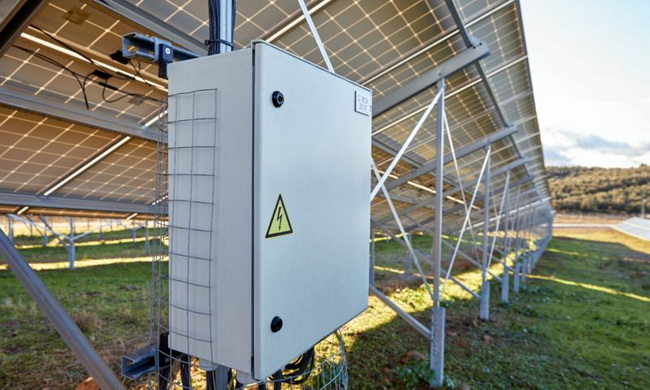
Metal and plastic enclosures are both widely used, but they behave differently under impact, heat, UV, chemicals, and grounding or bonding needs. Metal boxes made of steel, stainless steel, or aluminum are typically favored when physical protection, heat tolerance, and fire resistance dominate. Plastic boxes made of PVC, ABS, or polycarbonate are often favored in corrosive environments and where electrical insulation and weight matter.
Selection factor | Metal junction box | Plastic junction box |
Impact and abuse resistance | Generally higher; good for industrial sites and exposed runs | Lower; can crack under impact or over-tightening depending on design |
Grounding and bonding | Conductive; grounding and bonding strategy is central to safe installation | Non-conductive; reduces shock risk from enclosure contact but circuits still need grounding |
Corrosion resistance | Depends on alloy and coating; corrosion can be a risk near salt and chemicals | Strong advantage in humid or corrosive sites |
Thermal performance | Often better heat tolerance and heat dissipation potential, especially aluminum | Heat limits vary by polymer; can warp under high heat |
Weight and handling | Heavier; provides robust mounting feel | Lighter; easier handling and installation |
Outdoor exposure | Excellent with correct finish and rating; corrosion must be managed | Good when UV-stabilized and correctly rated; UV aging must be considered |
Many specification mistakes happen when teams choose a material first, then try to make it suitable for outdoor use afterward. The better order is: environment, required rating, then material and sealing system. Vague terms like waterproof should be replaced with explicit rating targets.
Common NEMA concepts that frequently impact the metal versus plastic decision include the following.
- NEMA 1 is intended for indoor use and provides basic protection against contact and falling dirt.
- NEMA 3 is for indoor or outdoor use and protects against windblown dust, rain, sleet, snow, and ice formation.
- NEMA 3R is similar to NEMA 3 but without windblown dust protection and is often used for protected outdoor placements.
- NEMA 4 adds protection against hose-directed water, making it relevant in washdown or cleaning scenarios.
- NEMA 4X adds corrosion resistance and is commonly specified for outdoor and washdown environments where corrosion is a concern.
- NEMA and IP ratings are not strictly equivalent because test methods differ, so do not treat conversions as exact.
In many corrosion-prone environments, plastic enclosures offer a strong advantage because they resist rust and many common corrosion mechanisms that degrade metal enclosures. This is particularly valuable in coastal, chemical, or constantly wet environments, especially when corrosion-focused ratings such as 4X are required.
Metal enclosures can be the correct choice where abuse resistance and heat or fire considerations are primary, as long as corrosion protection is engineered correctly through material selection, coating or finish, gasket system, and hardware.
Metal junction boxes are often the safer default in heavy-duty or exposed environments because they provide strong physical protection and robust performance across temperature extremes. They are widely used in industrial plants, commercial buildings, and infrastructure projects where enclosures may face vibration, accidental impacts, or tampering.
Choose metal junction boxes when you need:
- High impact resistance in exposed areas such as public zones, factories, and mechanical rooms.
- Better heat tolerance near power electronics, drives, or higher current density components, and potentially improved heat dissipation in aluminum designs.
- Fire resistance advantages compared to many plastics in risk-managed installations.
- Compatibility with metal conduit systems that commonly pair with metal boxes in many regions, especially in commercial and industrial work.
Practical cautions when using metal:
- Corrosion risks are real. Salt air, washdown chemicals, and mixed-metal assemblies can create maintenance problems if material, finish, and hardware choices are not correct.
- Grounding and bonding must be executed correctly. Conductive enclosures require disciplined installation practices and compliance with relevant electrical codes.
Plastic junction boxes are often the best value in corrosive, humid, or chemical-exposed environments because they resist rust and many common corrosion mechanisms that degrade metal enclosures. They are also lighter and non-conductive, which can simplify certain safety considerations and make handling easier.
Choose plastic junction boxes when you need:
- Corrosion resistance in coastal sites, wet rooms, water treatment areas, and chemical-adjacent installations.
- Electrical insulation from the enclosure body, thanks to a non-conductive housing.
- Fast handling and installation, along with reduced weight in large-volume deployments.
- Outdoor performance when the enclosure is properly rated and designed with features like sealed covers, gaskets, and UV-stabilized materials.
Practical cautions when using plastic:
- Some plastics can warp, crack, or degrade under high heat, UV exposure, or mechanical stress if the design and material grade are not appropriate.
- Outdoor suitability should never be assumed. Always confirm UV stabilization and the exact ingress rating requirement for the application.
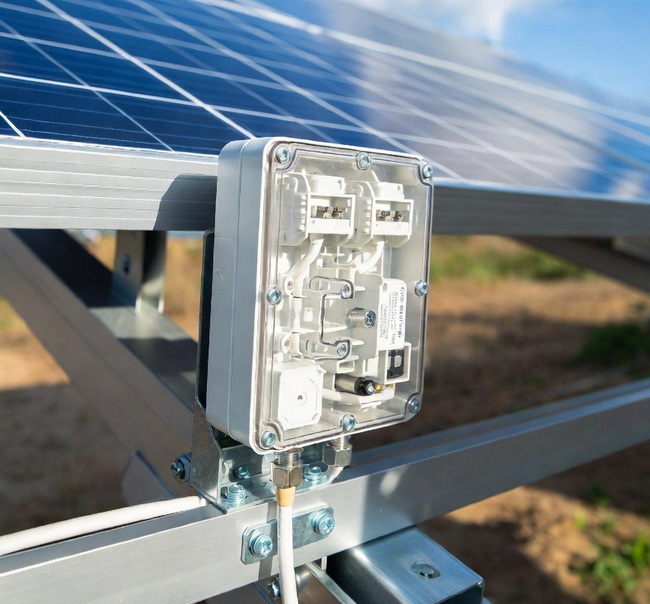
Many discussions about metal versus plastic remain generic and hard to apply. The decision becomes much clearer when you run a structured workflow that ties environment, rating, wiring method, and lifecycle risk together.
Use the following seven-step process on real projects:
1. Define the environment. Identify whether the installation is indoor, outdoor, washdown, coastal, chemical exposure, dust-laden airflow, or subject to occasional submersion.
2. Choose the protection target. Specify the NEMA or IP rating and avoid vague terms such as waterproof or weatherproof without a defined standard.
3. Check corrosion risk. Consider salt air, fertilizers, chlorine, cutting fluids, and detergents, as these often push you toward corrosion-focused designs and materials.
4. Verify temperature and heat sources. Near inverters, rectifiers, drives, or high current circuits, consider both thermal limits and heat dissipation.
5. Confirm the wiring method. Decide between conduit and cable entry, plan for strain relief and gland selection, and ensure the sealing path remains valid after installation.
6. Decide on a grounding and bonding strategy. Metal enclosures require careful bonding practices, and plastic enclosures still require proper circuit grounding even if the enclosure is insulating.
7. Specify the details that prevent failures. Define gasket material, cover design, screw compression path, hardware grade, coating or finish, UV stabilization, and knockouts or cable glands quality.
Below are common decision patterns across typical application sectors. Use them as a starting point and then validate them against your exact rating and site conditions.
- Power distribution and industrial automation: Metal is common where mechanical protection and heat tolerance dominate, especially in exposed industrial areas, substations, and control rooms.
- Telecom and network cabinets: Choice depends on outdoor corrosion and sealing requirements, with particular attention to coastal or high-humidity sites.
- Buildings and infrastructure: Ratings such as NEMA 3, 3R, 4, and 4X are frequently used depending on exposure, washdown needs, and regional standards.
- Energy storage and EV-related equipment: Heat, ingress protection, and corrosion resistance are all high priority, so material choice should be guided by ratings and thermal behavior rather than habit.
- Pumps, wet rooms, and water-adjacent systems: Corrosion and moisture ingress typically drive requirements, making properly rated, corrosion-resistant enclosures essential to reducing maintenance.
If you want consistent outcomes across projects and installers, your RFQ or specification sheet should describe more than metal or plastic. Use this checklist to reduce ambiguity, rework, and field modifications.
- Required rating: define NEMA or IP target along with installation context such as indoor, outdoor, washdown, or dusty environment.
- Material and finish: specify steel, stainless steel, or aluminum with coating, or define polymer type with UV stabilization where needed.
- Sealing system: describe gasket type, cover design, screw compression, and whether frequent opening is expected for maintenance cycles.
- Cable entry: define knockouts or molded entries, cable glands, strain relief, and how sealing is maintained after punching or entry work.
- Hardware: specify corrosion-resistant screws, hinges, and latches for outdoor or corrosive sites.
- Grounding accessories: define bonding studs or lugs for metal enclosures and ensure compatibility with site grounding practices.
To reduce risk and avoid costly redesigns or replacements, you should not rely on guesswork when choosing between metal and plastic junction boxes. Instead, align the enclosure material, rating, and design with your exact operating environment and lifecycle expectations.
Share your project details with Ningbo Bohui Electric Co., Ltd., including required rating, indoor or outdoor location, washdown needs, coastal distance, maximum ambient temperature, expected maintenance frequency, and your wiring method. Our engineering team can help you shortlist the right junction box material and enclosure configuration for safety, compliance, and long-term reliability, so your system runs with fewer failures and lower total cost of ownership.
Contact us to get more information!
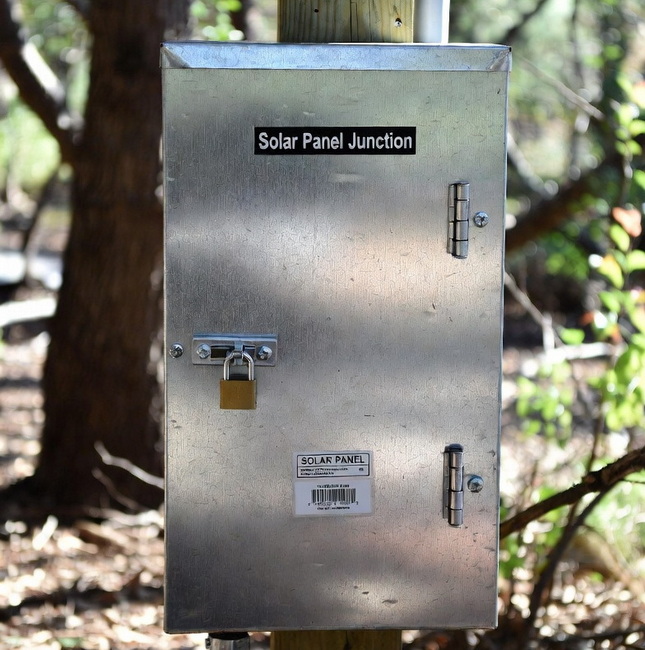
Neither is universally better. Metal enclosures often excel in mechanical durability, impact resistance, and heat tolerance, while plastic enclosures often excel in corrosion resistance, electrical insulation, and weight reduction. The best choice depends on your environment, rating requirements, and lifecycle expectations.
Plastic junction boxes can be suitable for outdoor use when they are specifically designed and rated for outdoor conditions. Always confirm that the product offers proper sealing, UV resistance when exposed to sunlight, and an appropriate NEMA or IP rating for your application.
Outdoor applications often start around NEMA 3 or 3R, while washdown environments commonly require NEMA 4. In corrosive locations or where chemical exposure is likely, implementing NEMA 4X is often advisable. You should always match the rating to the actual environmental hazards present.
A higher NEMA number does not always mean a better or more protective enclosure. NEMA ratings describe different types of protection, and some ratings are more specialized rather than universally superior. You must match the rating to the specific threats such as dust, water, corrosion, or ice.
NEMA and IP ratings are based on different standards and test methods, so there is no perfectly direct conversion. You can sometimes approximate equivalence, but you should always verify performance and compliance based on the specific standard you must follow and the manufacturer's documentation.
1. https://www.budind.com/nema-rating-guide-for-electronic-enclosures/
2. https://armorlogix.com/plastic-vs-metal-nema-enclosures/
3. https://www.saipwell.com/blog/plastic-vs-metal-electrical-enclosures/
4. https://www.lianjer.com/plastic-vs-metal-electrical-box/
5. https://viox.com/plastic-junction-boxes/

2026-07-26

2026-07-24


