


Views: 222 Author: Amanda Publish Time: 2026-02-03 Origin: Site


Content Menu
● What IP68 Really Means in Practice
● What IP69 and IP69K Mean for Washdown and Hygiene
● IP68 vs IP69: Side‑by‑Side Technical Comparison
● How IP Testing Differs Between IP68 and IP69
● Application Scenarios by Industry
>> Power and Energy Distribution
>> Communication and Network Infrastructure
>> Industrial Automation and Smart Manufacturing
>> Building, HVAC and Pump Systems
>> New Energy, ESS and EV‑Related Applications
● How to Choose: IP68 or IP69 for Your Project
● Design and Material Considerations for High‑IP Enclosures
● Example Case: From IP68 to IP69 in a Food Plant
● Why Work with a Professional Enclosure Manufacturer
● Take the Next Step: Specify the Right IP‑Rated Enclosure
● FAQ: IP68 vs IP69 for Enclosures
>> 1. Is IP69 always better than IP68?
>> 2. Can an IP68 enclosure be used in a food or beverage plant?
>> 3. Does IP69 automatically include IP68 submersion capability?
>> 4. Which rating is better for outdoor EV chargers or telecom cabinets?
>> 5. How do I verify that an enclosure really meets IP68 or IP69?
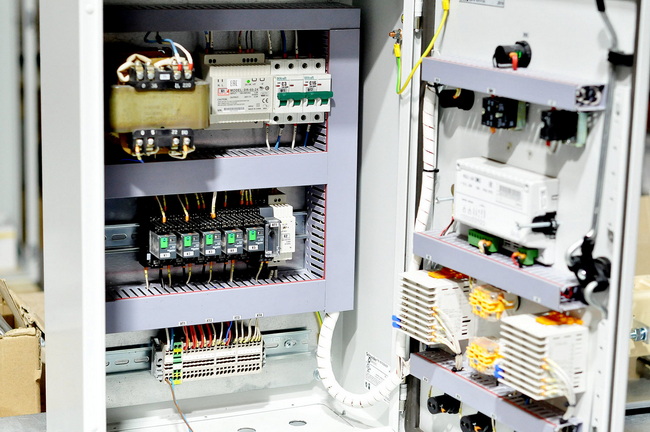
When you see IP68 or IP69 on an electrical enclosure, you are looking at more than a marketing label – you are reading a precise performance code defined by international standards that tells you how well that enclosure keeps out dust and water in real‑world conditions. For critical applications in power, communications, industrial automation, building systems, new energy storage, EVs and pumping systems, choosing the wrong rating can mean downtime, failures and expensive maintenance instead of stable, long‑life operation.
An IP rating (Ingress Protection) uses two digits to describe how effectively an enclosure keeps out solid particles and water.
- The first digit (0–6) = protection against solids (tools, wires, dust).
- The second digit (0–9/9K) = protection against water in defined test conditions (drips, sprays, immersion, high‑pressure steam).
For IP68 and IP69:
- 6 means the enclosure is completely dust‑tight, with no dust ingress even under demanding test conditions.
- 8 means protection against continuous immersion in water beyond 1 m, with depth and time defined by the manufacturer.
- 9 / 9K means protection against high‑pressure, high‑temperature water jets and steam from multiple angles, often at very close distance.
This standardized language lets engineers compare products objectively and design systems that stay safe and reliable under specific environmental and cleaning conditions.
An IP68 enclosure is designed to keep sensitive components dry and dust‑free even when they are exposed to dust, rain and long‑term immersion.
Key characteristics of IP68:
- Dust protection: Level 6 – completely dust‑tight, no dust ingress under test conditions.
- Water protection: Level 8 – continuous immersion beyond 1 m; test depth and duration are defined by the enclosure manufacturer, typically using still or low‑flow water at normal temperatures.
- Typical water testing: Immersion tests with room‑temperature water; the product must maintain function and show no harmful water ingress after the specified time.
Where IP68 enclosures excel:
- Outdoor power distribution boxes exposed to wind‑blown dust and heavy rain.
- Underground or partially buried junction boxes for utilities and telecom networks.
- Marine and dockside equipment exposed to splashing, waves and occasional submersion.
- Remote sensor and IoT enclosures installed in open fields or harsh outdoor environments.
IP68 focuses on long‑term immersion performance, not on surviving aggressive high‑pressure washdowns, which is where IP69/IP69K comes in.
IP69 (IEC IPX9) and IP69K (originally from vehicle‑focused standards) represent some of the highest levels of water ingress protection for enclosures exposed to powerful, hot water jets.
Key characteristics of IP69 / IP69K:
1- Dust protection: Level 6 – completely dust‑tight, same solid protection level as IP68.
2- Water protection: Level 9 / 9K – resistance to high‑pressure, high‑temperature water jets and steam from close range, applied at multiple angles while the product may be rotated.
3- Typical washdown test conditions:
- Water temperature around 80°C.
- Water pressure often up to approximately 80–100 bar.
- Flow rate typically around 14–16 L/min.
- Nozzle distance roughly 100–150 mm from the enclosure surface.
- Spray angles at 0°, 30°, 60° and 90° while the product is rotated.
Only enclosures that pass these demanding tests can legitimately be described as IP69 or IP69K.
Where IP69 / IP69K enclosures excel:
- Food and beverage processing lines with daily foaming, rinsing and high‑pressure, hot‑water cleaning.
- Pharmaceutical and biotech facilities with strict hygiene and contamination control.
- Commercial kitchens and central dishwashing systems with frequent hot washdowns.
- Automotive and heavy machinery in factories or vehicle underbody wash tunnels.
- Industrial automation cells that require both dust‑tight protection and steam‑jet cleaning.
In these environments, IP68 immersion resistance alone is not enough, because seals must survive repeated mechanical and thermal stress from powerful jets and high temperatures.
The table below highlights the most important differences relevant to enclosure selection.
Feature | IP68 Enclosure | IP69 / IP69K Enclosure |
Dust protection | 6 – Dust-tight; no dust ingress under test conditions. | 6 – Dust-tight; same highest solid protection. |
Water protection mode | Level 8 – Tested for continuous immersion beyond 1 m; depth and time defined by manufacturer. | Level 9 / 9K – Tested with high-pressure, high-temperature water jets and steam from multiple angles at close distance. |
Typical water scenario | Flooding, submersion in tanks, pits, manholes, or underwater sections of infrastructure. | Aggressive washdown in factories, repeated sanitation cycles, steam cleaning of equipment. |
Temperature during test | Usually normal / room-temperature water. | Hot water, typically around 80°C, during jet tests. |
Mechanical stress on seals | Mainly hydrostatic pressure from water depth; limited dynamic impact. | Strong dynamic impact from high-pressure jets plus thermal stress from hot water and steam. |
Design complexity | Moderate; optimized for immersion sealing and corrosion resistance. | Higher; requires advanced seal design, robust fastening and careful material choices to survive washdowns. |
Typical cost | Generally lower, due to simpler sealing and testing. | Generally higher, due to stricter testing and more complex seals and materials. |
Ideal applications | Outdoor power, telecom, buried junction boxes, marine, water management. | Food, beverage, pharma, commercial kitchens, automotive wash lines, sanitary machinery. |
This comparison shows that IP68 and IP69 are not simply “better vs worse” in general; they are optimized for different environments and failure modes.
The biggest practical difference between IP68 and IP69 lies in how the enclosures are tested.
IP68 – immersion‑focused testing:
- The enclosure is submerged in water at a specified depth (beyond 1 m) for a defined time.
- The goal is to verify that no harmful water ingress occurs that would affect safe operation after immersion.
- Test conditions reflect scenarios such as flooding, submersion in pits or underground ducts.
IP69 / IP69K – washdown‑focused testing:
- The enclosure is exposed to high‑pressure, high‑temperature jets from close distance at multiple angles.
- Sprays can reach very high pressures, with hot water temperatures to simulate real washdowns.
- The enclosure is often mounted on a rotating fixture to simulate complete coverage.
- The test simulates aggressive industrial cleaning and disinfection procedures.
As a result, a product tested and rated to IP68 may perform very well when submerged but still suffer leaks or seal damage when exposed to repeated high‑pressure jet cleaning. Conversely, an IP69/IP69K product may have excellent washdown resistance but will only be suitable for immersion if the manufacturer has tested and specified that performance.
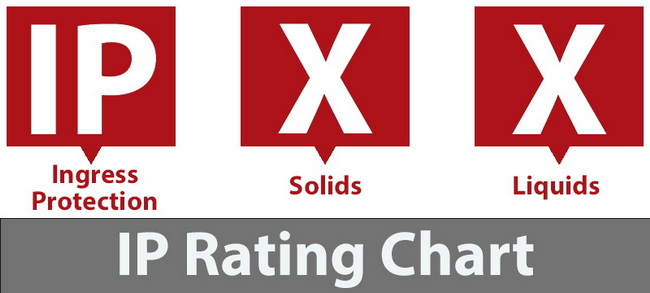
Selecting the right rating starts with where and how the enclosure will be used.
- Substations and pole‑mounted equipment in outdoor environments often use IP66–IP68 to handle dust, rain and occasional submersion.
- Underground power distribution boxes in pits or flooded chambers benefit from IP68 for continuous immersion protection.
- If equipment is in a washdown‑intensive environment, such as food‑grade power panels inside processing rooms, IP69/IP69K enclosures are preferable for long‑term reliability.
- Outdoor base stations, network cabinets and small cells on rooftops or towers commonly rely on IP65–IP68 enclosures to handle dust, rain, condensation and occasional immersion.
- Equipment in tunnels or coastal zones where flooding or spray is expected may require IP68 for robust immersion resistance.
- In cleanroom‑class communication rooms, IP69 is usually unnecessary unless aggressive cleaning is explicitly specified.
- Robotic cells and production lines in dry or mildly wet environments may use IP66–IP68 enclosures for dust control and splash protection.
- Hygienic production lines in food, beverage or pharmaceutical factories should consider IP69/IP69K housings for control panels, HMI boxes and junction enclosures due to daily high‑pressure cleaning.
- Automated systems that combine heavy dust exposure and washdown procedures may need both high dust ratings and IP69/IP69K water protection.
- Building automation systems installed on rooftops, in basements or in parking structures may require IP65–IP68, depending on water exposure risk.
- Pump control boxes and motor starters used in water treatment plants, wells or irrigation often rely on IP68 when they are submerged or installed in flooded pits.
- Pumps and related controls in food and beverage plants, or in CIP/SIP systems, should consider IP69/IP69K to withstand repeated washdowns and chemical exposure.
- Battery energy storage systems (BESS) installed outdoors often use IP65–IP68 enclosures for dust and rain protection; localized washdown may drive the need for IP69 in food‑grade or pharmaceutical campuses.
- EV charging stations and power modules deployed outdoors depend on high IP ratings to handle rain, splashes and road spray; IP65–IP68 is common, with IP69 considered for high‑pressure cleaning environments such as depots and bus terminals.
- On‑vehicle components in commercial vehicles and off‑road machinery increasingly adopt IP69K to survive underbody washdowns and road grime removal.
When mapping your use case, always consider worst‑case exposure rather than typical conditions to avoid under‑specifying protection.
You can follow a structured decision process to choose between IP68 and IP69/IP69K.
1. Define the environment
- If the enclosure is likely to be submerged or sit in standing water for long periods (pits, sumps, underwater installations), IP68 is usually the primary requirement.
- If the enclosure will face routine high‑pressure, high‑temperature washdowns or steam cleaning (food plants, pharma, hygienic machinery), IP69/IP69K is the safer choice.
2. Clarify cleaning and maintenance procedures
- If the equipment is wiped with damp cloths or cleaned with low‑pressure hoses, IP65–IP68 may be sufficient.
- If it is cleaned with pressure washers or hot water jets at close range, IP69/IP69K should be specified to prevent long‑term seal degradation and ingress.
3. Balance risk, cost and lifecycle
- IP69/IP69K enclosures usually require more advanced seals and materials, which increases initial cost.
- Under‑specifying the rating can lead to failures, downtime and replacement costs that far exceed the upfront savings.
- For critical lines or safety‑relevant systems, the cost of failure often justifies choosing the higher rating.
4. Consider standards, audits and customer requirements
- Hygienic industries often refer to food safety and hygienic design guidelines, which favor smooth, easy‑to‑clean IP69/IP69K housings.
- Large industrial customers and EPC contractors may specify minimum IP ratings in their tender documents; aligning with these from the start avoids redesigns and delays.
By documenting your environment, cleaning methods and risk tolerance, you can justify a clear, technically sound choice between IP68 and IP69.
Even within the same rating, actual performance depends heavily on design details and manufacturing quality.
Key design factors:
- Seal geometry and compression: Gasket cross‑section, compression rate and joint design all influence whether the enclosure stays watertight under pressure or immersion.
- Fastening method: Screwed covers, hinged doors with multiple locking points and reinforced latches help maintain seal integrity during washdowns.
- Material selection:
- Stainless steel and coated steel are common for industrial enclosures exposed to corrosion and washdowns.
- Engineering plastics used in some IP enclosures must withstand heat and chemical exposure when targeting IP69/IP69K.
- Surface finish and geometry: In hygienic applications, smooth surfaces and sloped tops reduce water pooling and make cleaning more effective.
This is why working with an experienced enclosure manufacturer is essential when you require stable IP68 or IP69 performance over many years.
Consider an automation control box mounted above a conveyor line in a dairy facility. The original specification used an IP68 stainless enclosure, based on the assumption that dust and occasional splashing were the main risks. In practice, operators used high‑pressure hot water to clean the line every shift, with jets applied directly to the enclosure. After repeated washdowns, seals started to deform under thermal stress and mechanical impact, causing moisture ingress and intermittent faults in the control electronics. By upgrading to an IP69/IP69K enclosure, with reinforced seals and design optimized for washdown, the facility reduced unplanned stoppages and maintenance interventions on this node.
This type of scenario illustrates how important it is to match the rating to actual cleaning procedures, not just ambient conditions.
For industries such as power, communications, industrial automation, building systems, new energy storage, EV infrastructure and pump control, selecting and implementing the right IP‑rated enclosure is a strategic choice rather than a simple catalog pick. A professional enclosure manufacturer with long‑term experience can significantly reduce your technical and project risks.
Such a partner can provide:
- Application‑driven consulting to map your environment, cleaning procedures and regulatory requirements to the correct IP rating and material configuration.
- Custom and standard sheet‑metal enclosures, including wall‑mount, floor‑standing and special‑shaped boxes tailored for different industries.
- Integration of accessories such as viewing windows, cable glands, mounting plates and lock systems designed to maintain the specified IP rating.
- Support with compliance documentation, drawings and technical data sheets to help your engineering team pass audits and project approvals.
With deep expertise in high‑quality sheet metal distribution boxes and extensive experience serving global markets, an expert enclosure manufacturer can help you turn IP specifications into durable, reliable real‑world solutions.
If you are planning a new installation or upgrading existing equipment in power, communications, industrial automation, building systems, new energy storage, EV infrastructure or pump applications, now is the time to define the right IP68 or IP69 protection. Share your environment, cleaning procedures and technical requirements with a professional enclosure manufacturer so they can recommend a solution that balances performance, cost and long‑term reliability. Contact our engineering team today to discuss your project and get tailored IP‑rated enclosure proposals that keep your equipment safe, compliant and efficient for years to come.
Contact us to get more information!
No. IP69 offers better protection against high‑pressure, hot water jets, while IP68 focuses on immersion resistance. The best choice depends on whether your main risk is flooding or aggressive washdown.
It can be used in non‑washdown areas, but it is not ideal for zones that undergo daily high‑pressure cleaning with hot water or steam. In those areas, IP69/IP69K is usually recommended to avoid long‑term seal damage and contamination risks.
Not necessarily. The standards define different test methods, and passing IP69/IP69K does not guarantee long‑term immersion performance unless the product is explicitly tested and rated for both. Always check the manufacturer's datasheet when you need both immersion and washdown resistance.
For static outdoor installations exposed mainly to rain, dust and splashing, IP65–IP68 is commonly used. IP69/IP69K becomes relevant if the equipment will be subjected to regular pressure‑washing, such as in fleet depots or harsh industrial sites.
Ask for test certificates, reports or third‑party certifications that reference the relevant IP test methods, and confirm the test conditions that were used. A reputable manufacturer will provide clear documentation rather than relying on vague marketing language.
1. https://www.polycase.com/techtalk/ip-rated-enclosures/ip68-vs-ip69.html
2. https://premioinc.com/blogs/blog/dust-and-water-resistance-breaking-down-ip67-ip68-and-ip69k-standards
3. https://kdmfab.com/ip68-vs-ip69/
4. https://www.kdmsteel.com/ip68-vs-ip69/
5. https://maidatechenclosure.com/ip68-vs-ip69-which-waterproof-rating-fits-your-enclosure/
6. https://castle-compliance.com/ip69k-ipx9-high-pressure-washdown-testing/
7. https://ibtinc.com/understanding-ip69k-ratings-washdown-electric-motors-in-food-beverage/
8. https://www.lianjer.com/ip68-vs-ip69/
9. https://www.lianjer.com/what-is-an-ip69-rating/
10. https://www.bohuitechnology.com
11. https://bohuitechnology.com/about.html
12. https://bohuitechnology.com/list/29-list-29-url.html

2026-07-26

2026-07-24


