


Views: 222 Author: Amanda Publish Time: 2026-02-08 Origin: Site


Content Menu
● NEMA 4 and NEMA 4X: Environmental Protection Basics
>> What Is a NEMA 4 Enclosure?
>> What Is a NEMA 4X Enclosure?
● Explosion-Proof vs. Class I, Division 2 Enclosure Solutions
>> Why NEMA 7 / Explosion-Proof Is Different
>> Class I, Division 2: Abnormal Condition Hazard
● Step-by-Step: How to Specify a Class I, Division 2 NEMA 4/4X Enclosure
>> Four Core Specification Steps
● How Hazardous Location Class/Division Classification Works
>> Classes, Divisions, and Groups
● Purging and Pressurization for NEMA 4/4X in Class I, Division 2
>> How Purging and Pressurization Work
>> Types of Pressurization (X, Y, Z)
● Managing Temperature Rise Inside Hazardous Location Enclosures
● Customizing NEMA 4/4X Enclosures for Class I, Division 2 Safety
>> Common Customization Options
● Practical Design Checklist for System Integrators
>> Fabrication and Installation Checklist
● Example Application Scenarios
>> Refinery Pump Skid in Class I, Division 2
>> Battery Energy Storage System (BESS) Control Cabinet
● Best Practices for Safety and Compliance
>> Maintenance and Periodic Verification
● Why Choosing the Right NEMA 4/4X Class I, Division 2 Enclosure Matters
● Take the Next Step Toward Safer Class I, Division 2 Enclosures
● Frequently Asked Questions (FAQ)
>> 1. Is a NEMA 4X enclosure automatically explosion-proof?
>> 2. When do I need a NEMA 7 or explosion-proof enclosure instead of NEMA 4/4X?
>> 3. Who is responsible for Class I, Division 2 certification of the final assembly?
>> 4. Why is temperature management so important in hazardous location enclosures?
>> 5. What are the key steps to specify a Class I, Division 2 NEMA 4/4X enclosure?
Designing or specifying NEMA 4 / NEMA 4X enclosures for Class I, Division 2 hazardous locations is mission-critical for safety, uptime, and compliance in modern industrial environments. This enhanced guide explains how to choose and configure the right enclosure, how Class I, Division 2 protection works, and what best practices system integrators should follow in 2026 and beyond.
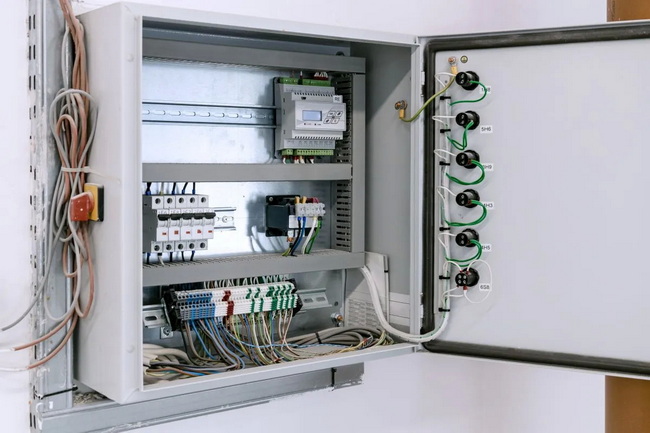
NEMA Type 4 and NEMA Type 4X define how well an enclosure resists water, dust, and other environmental influences, not whether it can contain an explosion. They are often used as the environmental “shell” for systems installed in Class I, Division 2 areas when combined with appropriate purge and pressurization or other protective methods.
A NEMA 4 enclosure is intended for indoor or outdoor use and provides:
- Protection against windblown dust and rain.
- Protection against splashing water and hose-directed water.
- Protection against damage from external ice formation.
These features make NEMA 4 suitable for washdown areas, outdoor control panels, and exposed industrial environments where moisture and debris are present.
A NEMA 4X enclosure offers all the protections of NEMA 4, plus additional corrosion resistance. It is typically used in:
- Chemical processing and marine environments,
- Food and beverage plants with aggressive cleaning chemicals,
- Coastal and offshore installations where salt spray is a concern.
For Class I, Division 2 hazardous areas, NEMA 4X is often preferred where corrosion could compromise long-term safety and sealing.
A frequent misconception is that any enclosure used in a hazardous location must be “explosion-proof.” In reality, the applicable code differentiates between Class I Division 1 and Class I Division 2, and the enclosure strategy changes accordingly.
In environments where hazardous gases or vapors are always present (Class I, Division 1), an explosion-proof enclosure such as NEMA 7 (or IECEx Ex d) is generally required. These enclosures are usually made from cast aluminum and machined to contain an internal explosion and prevent flame propagation.
Many manufacturers of NEMA 4/4X environmental enclosures do not manufacture NEMA 7 or explosion-proof housings and instead focus on Class I, Division 2 solutions combined with purging systems.
Class I locations involve flammable gases or vapors that may be present in ignitable concentrations. Within Class I:
- Division 1: Hazardous gas is present under normal conditions.
- Division 2: Hazardous gas is present only under abnormal conditions, typically less than 10% of the time.
Examples of abnormal conditions include a pipe leak in a refinery or the presence of arcing or sparking devices that normally operate safely but could ignite gas if a leak occurs.
For Class I, Division 2, you typically use a NEMA 4 or 4X environmental enclosure in conjunction with an appropriate purge and pressurization system and properly rated internal components.
Specifying the correct enclosure for a hazardous location is a structured process. Following a clear sequence reduces risk and simplifies code compliance.
1. Determine the NEMA environmental rating
Decide whether you need NEMA 4 or NEMA 4X based on exposure to water, dust, and corrosive agents.
2. Determine the NEC hazardous location classification
Confirm whether the area is Class I, Division 1 or Division 2, and identify the gas group (for example, hydrogen or methane).
3. Determine purging and pressurization requirements
Select the purge type (X, Y, or Z) and verify that you can supply the required clean, instrument-quality air or inert gas.
4. Specify the enclosure and all required modifications
Define materials, cutouts, accessories, and thermal management features that align with both the NEMA rating and hazardous location classification.
Even when the enclosure is manufactured to NEMA 4/4X, the system integrator holds final responsibility for ensuring that the complete assembly meets all applicable hazardous location requirements.
The relevant electrical code defines hazardous locations as areas where fire or explosion conditions may exist due to flammable gases, vapors, liquids, dusts, or fibers. A Class and Division framework is used in North America to categorize these locations.
- Class I: Flammable gases or vapors.
- Class II: Combustible dusts.
- Class III: Easily ignitable fibers or flyings.
Each Class is further divided into:
- Division 1: Hazard present under normal operating conditions.
- Division 2: Hazard present only under abnormal conditions.
Within Class I, locations are also separated into Groups based on the explosive characteristics of specific gases, which directly impacts purge system selection and component ratings.
For many Class I, Division 2 applications, purging and pressurization is the preferred protection concept for NEMA 4/4X enclosures. This method prevents flammable gases from entering the enclosure so they cannot contact ignition-capable components.
Purging and pressurization systems:
- Maintain a positive internal pressure using clean air or inert gas.
- Prevent the surrounding hazardous atmosphere from entering the enclosure through gaskets and seals.
- Often require power-down and air exchange cycles before access or restart.
Instrument-quality air is usually supplied from a compressor or other source where hazardous gases are not present, ensuring that only clean gas is circulated through the enclosure.
A typical interlocked system:
- Forces power down via main disconnect before opening the enclosure.
- Executes a defined purge cycle to remove any residual hazardous gas.
- Monitors pressure and triggers alarms or disconnects if pressure is lost.
Pressurization types, defined by recognized standards, depend on both the location Division and the equipment rating.
- Type “X”
- Protects general-purpose equipment in Division 1 areas.
- Reduces the classification inside the enclosure from Division 1 to nonhazardous.
- Requires automatic power control shutdown for all protected equipment upon loss of pressure.
- Type “Y”
- Protects Division 2 rated equipment in Division 1 areas.
- Reduces the classification inside the enclosure from Division 1 to Division 2.
- Requires visual and/or audible alarms on loss of pressure but not necessarily automatic shutdown.
- Type “Z”
- Protects general-purpose equipment in Division 2 areas.
- Reduces the classification inside the enclosure from Division 2 to non-classified.
- Requires alarms on loss of pressure; automatic shutdown is not always mandatory.
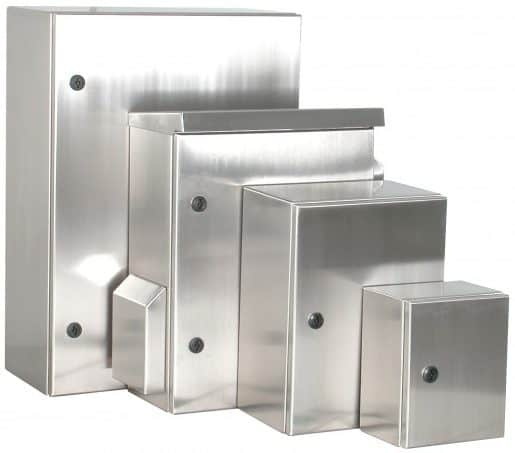
Even if electrical components do not directly ignite gas through arcing, excessive temperatures on enclosure surfaces can create ignition risks. Temperature management is therefore a critical part of Class I, Division 2 enclosure design.
As internal temperatures rise, the reliability of electronic components declines, and potential hot spots can appear on the enclosure surface. This reliability drop increases the risk of failure modes that may compromise safety.
To manage enclosure temperature:
- Evaluate total heat load of internal components.
- Use appropriate ventilation, heat exchangers, or air conditioners where needed.
- Ensure that any cooling solutions are compatible with hazardous area requirements and preserve the NEMA 4/4X rating.
High-quality NEMA 4 and 4X enclosures can be extensively customized to match project-specific hazards and environmental demands. While manufacturers can certify environmental ratings such as NEMA 4/4X, they typically do not provide full hazardous location certification for the complete system.
Key customization elements include:
- Gaskets with suitable sealing performance and chemical resistance.
- Hinges and handles designed for frequent and safe access.
- Cutouts and through holes for cable glands, HMIs, and switches.
- Couplings and gland plates as safe entry points for cables and conduits.
- Swing panels and dead fronts for ergonomic access and touch-safe designs.
- Sun shields and drip shields for added protection from heat and water.
- Windows for visual inspection without opening the enclosure.
- Additional grounding studs and mechanical interlocks for improved safety and bonding.
These options help integrators align the final assembly with both environmental and hazardous location requirements while maintaining ease of maintenance.
The system integrator is ultimately responsible for ensuring that the entire assembly, including the enclosure, purge system, and internal components, meets applicable codes for Class I, Division 2. Use the checklist below during design reviews.
- Confirm Class I, Division 2 classification and gas group.
- Select NEMA 4 or NEMA 4X based on environmental and corrosion risks.
- Choose appropriate purge type (Y or Z) based on equipment rating and location.
- Validate the availability of instrument-quality air or inert gas.
- Estimate heat load and plan for thermal management.
- Verify that all penetrations, cutouts, and fittings maintain NEMA 4/4X integrity.
- Ensure use of hazard-rated cable glands, fittings, and devices where required.
- Confirm that internal components carry correct Division and Group ratings.
- Check the interlock logic for safe power-down and purge sequences.
Real-world scenarios make the requirements more concrete and help users evaluate their own projects more effectively.
A refinery pump skid uses variable frequency drives and PLCs installed within a NEMA 4X stainless steel enclosure mounted outdoors. The area is classified Class I, Division 2 due to potential leaks of flammable hydrocarbon vapors under abnormal conditions.
To achieve compliance:
- The integrator selects a Type Z purge system for general-purpose equipment in a Division 2 area.
- The enclosure is fitted with sun shields and appropriate cooling to manage internal temperature.
- All cable entries use certified glands to preserve NEMA 4X integrity and hazardous area suitability.
A large-scale battery energy storage system uses NEMA 4 enclosures to house control electronics near outdoor battery containers. While the primary hazard is battery electrolyte gases and flammable vapors during thermal events, the location is classified Class I, Division 2.
Key design choices include:
- NEMA 4 enclosures with pressurization to prevent flammable atmospheres entering the cabinet.
- Temperature monitoring inside the enclosure to ensure surface temperatures stay below ignition thresholds.
- Appropriate selection of internal control components with suitable ratings.
Beyond meeting minimum code requirements, there are several best practices that significantly improve long-term safety and reliability.
- Clearly label Class, Division, Group, and purge type on the enclosure nameplate.
- Maintain updated schematics and purge system manuals at the site.
- Include detailed maintenance instructions for gaskets, filters, and purge valves.
- Schedule periodic inspections of seals, door hardware, and pressurization components.
- Verify that pressure sensors, alarms, and interlocks operate correctly.
- Re-check internal heat load when adding or upgrading components.
- Update documentation whenever configurations or components change.
These practices reduce downtime, support audits, and help ensure that installations remain compliant as systems evolve.
Choosing the correct enclosure, purge system, and accessories is not only a code requirement, it also directly protects people, assets, and operations. The right solution minimizes the risk of ignition, reduces unplanned downtime, and can significantly extend the life of critical electronic components in harsh environments.
If you are planning a project in a Class I, Division 2 hazardous location and need reliable NEMA 4 or NEMA 4X enclosures, involve your enclosure specialists as early as possible in the design phase. Share your classification details, gas group, environmental conditions, and heat load so they can recommend a tailored enclosure solution with the right materials, purge system, and customization. To get expert support on your next project, review the resources below and then contact a qualified NEMA 4/4X enclosure manufacturer or system integrator to discuss your specific requirements and request a detailed quotation.
Contact us to get more information!
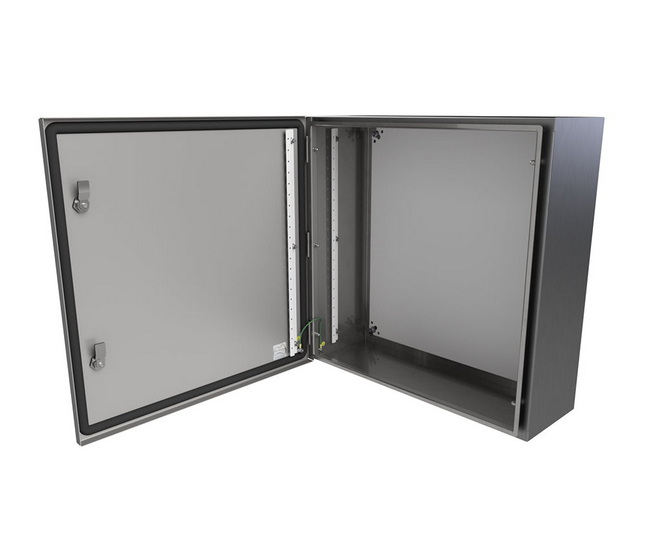
No. A NEMA 4X rating refers to environmental protection, including water, dust, and corrosion resistance, not explosion containment. To be suitable for Class I, Division 2, it must be combined with appropriate purge and pressurization systems and properly rated internal components.
You typically need NEMA 7 or equivalent explosion-proof enclosures in Class I, Division 1 areas where hazardous gases or vapors are present under normal operating conditions. These enclosures are designed to contain internal explosions and prevent flame propagation into the surrounding atmosphere.
Enclosure manufacturers usually certify only the environmental rating, for example NEMA 4 or NEMA 4X. The system integrator is responsible for ensuring that the complete assembly, including internal components and purge system, meets applicable Class I, Division 2 requirements.
As internal temperature rises, the reliability of electronic components decreases and potential hot spots can appear on enclosure surfaces. Excessive internal temperatures can increase safety risks in hazardous areas and may reduce equipment life, so proper thermal management is essential.
You should confirm the hazard classification and gas group, select NEMA 4 or NEMA 4X based on environment and corrosion, choose a compatible purge and pressurization type, design for thermal management, and specify all necessary cutouts, fittings, and accessories that maintain both NEMA and hazardous location integrity.
1. https://www.nemaenclosures.com/blog/explosion-proof-nema-4-4x-enclosures-class-1-div-2-protection/

2026-07-26

2026-07-24


