


Views: 222 Author: Amanda Publish Time: 2026-02-06 Origin: Site


Content Menu
● What Is a Back Panel in an Electrical Enclosure?
● What Is HDPE and Why Consider It for Back Panels?
● Can You Use an HDPE Back Panel for an Electrical Enclosure?
● Advantages of HDPE Back Panels in Enclosure Electrical Systems
● Limitations and Risks of HDPE Back Panels
● HDPE vs Metal Back Panels for Electrical Enclosures
● Where HDPE Back Panels Make Sense
● Design and Installation Tips for HDPE Back Panels
● When Metal Back Panels Are the Better Choice
● How a Professional Enclosure Manufacturer Can Help
● FAQ
>> 1. Is HDPE safe to use inside an electrical enclosure?
>> 2. Can HDPE replace metal back panels in industrial enclosures?
>> 3. Does an HDPE back panel provide grounding for the enclosure?
>> 4. Where are HDPE back panels most commonly used?
>> 5. How do I decide between HDPE and metal for my enclosure electrical project?
Using an HDPE back panel inside an electrical enclosure can be a smart choice in the right environment, but it is not a universal solution for every project or industry. This article explains when HDPE works, when metal is better, and how to choose the right back panel for your enclosure electrical system.

A back panel is the internal mounting plate inside an enclosure electrical box where you fix breakers, relays, power supplies, PLCs, terminal blocks, and other control components. Instead of mounting devices directly on the enclosure electrical wall, you fasten them to the removable panel and then install that panel into the enclosure.
This design offers several important benefits for an enclosure electrical cabinet:
- Cleaner and safer cable routing, because components are organized on a flat mounting surface.
- Faster assembly and maintenance, since you can build and wire the panel outside the enclosure electrical body and then drop it in as a complete unit.
- Easier upgrades, allowing you to remove the panel, add new components, and reinstall without drilling the enclosure electrical walls.
Traditionally, back panels are made of painted steel, stainless steel, aluminum, or plastic materials such as PVC and ABS. Each option offers different mechanical strength, thermal resistance, and electrical properties, all of which affect the performance and safety of an enclosure electrical installation.
HDPE (High Density Polyethylene) is a tough thermoplastic widely used for utility boxes, underground covers, and outdoor infrastructure where corrosion and moisture are concerns. In an enclosure electrical application, HDPE can be used as a non‑metallic mounting plate or as the base material of certain light‑duty boxes.
Key HDPE characteristics relevant to enclosure electrical design include:
- Non‑conductive and electrically insulating, which reduces shock risk when working near live terminals.
- High impact resistance and good toughness, even at relatively low temperatures.
- Excellent resistance to many chemicals and to soil contact, a major reason HDPE is widely used for below‑grade and utility enclosures.
- Low weight compared with metal, simplifying handling, transportation, and field installation.
These properties make HDPE an attractive candidate for certain enclosure electrical back panel applications, especially where corrosion and non‑conductivity are priorities and mechanical loads are moderate.
You can use HDPE as a back panel material in an enclosure electrical system, but only if the mechanical, thermal, and safety requirements of your application are compatible with plastic. In many low‑ to medium‑duty projects, non‑metallic panels (such as PVC or other plastics) are already widely used and perform very well when correctly specified.
HDPE behaves similarly to other engineering plastics used in enclosures, so it can be appropriate when:
- The enclosure electrical cabinet does not contain very heavy components, such as large transformers or high‑power drives.
- The ambient temperature remains within the safe operating range for HDPE, avoiding softening, distortion, or creep.
- There is no requirement for the back panel itself to provide grounding or electromagnetic shielding.
- The installation environment exposes the enclosure electrical housing to moisture, soil, or chemicals that could cause metal corrosion.
For demanding environments with high heat, heavy equipment, or critical industrial safety standards, metal back panels in a metal enclosure electrical cabinet are still the dominant and usually recommended choice.
When conditions allow, an HDPE back panel can provide several valuable benefits inside an enclosure electrical cabinet:
- Electrical insulation: HDPE is non‑conductive, so the back panel does not carry current and reduces the risk of accidental contact between live parts and the enclosure electrical mounting surface.
- Corrosion resistance: Unlike steel, HDPE does not rust and has excellent resistance to many chemicals, salt, and soil, which is especially useful in coastal, underground, or wastewater‑related installations.
- Lightweight construction: HDPE panels are much lighter than steel plates, making them easier to lift, align, and fix inside the enclosure electrical housing, particularly for wall‑mounted cabinets.
- Easy machining: HDPE can be drilled and cut using common workshop tools, allowing technicians to add holes or slots for cable ties, DIN rails, and devices with minimal effort and low tooling costs.
- Cost effectiveness in light‑duty applications: For smaller enclosure electrical boxes and lower‑load control panels, plastic mounting solutions can reduce total system cost and simplify installation.
These advantages are especially attractive in utility, telecom, and light industrial controls where the enclosure electrical environment is not extreme but corrosion or moisture exposure is likely.
Despite its benefits, HDPE has important limitations that must be evaluated carefully before using it as a back panel in an enclosure electrical project.
Major limitations include:
- Lower mechanical strength than metal: Plastic panels can deform, warp, or crack under high loads or concentrated stress, particularly when supporting heavy transformers, contactors, or motor starters inside an enclosure electrical cabinet.
- Reduced temperature resistance: HDPE softens at elevated temperatures, so high‑heat environments or high‑current components that generate significant heat can compromise panel integrity and mounting stability.
- No inherent grounding or shielding: Metal back panels can help with bonding, fault current paths, and electromagnetic shielding; HDPE cannot perform these functions, so the enclosure electrical system must provide separate solutions.
- Long‑term creep under load: Under continuous mechanical load, plastics may slowly deform, which can cause misalignment of components or loosening of fasteners over the life of the enclosure electrical system.
Because of these limitations, many industrial and commercial enclosure electrical installations still specify metallic back panels, especially where safety certifications, high fault levels, and long service life are critical.
The following comparison summarizes the main differences between HDPE and metal back panels in an enclosure electrical context.
Aspect | HDPE Back Panel | Metal Back Panel |
Material | Non-conductive thermoplastic. | Conductive steel, stainless steel, or aluminum. |
Electrical behavior | Insulating, does not provide grounding or shielding. | Provides grounding path and can assist with electromagnetic shielding for enclosure electrical systems. |
Strength and load | Lower rigidity and load capacity; best for light to moderate components. | High mechanical strength, supports heavy electrical gear and dense layouts. |
Temperature resistance | Sensitive to higher temperatures, can soften or warp over time. | Withstands higher temperatures and heat from high-current devices. |
Corrosion resistance | Excellent resistance to rust and many chemicals. | Requires coatings or stainless materials for strong corrosion resistance. |
Weight | Light and easy to handle and machine. | Heavier, but offers greater structural stability. |
Typical use | Light-duty control panels, utility and telecom boxes, outdoor plastic enclosure electrical housings. | Industrial automation, power distribution, machinery control, and harsh outdoor enclosure electrical systems. |
This comparison highlights that HDPE back panels are ideal for lighter, corrosion‑prone applications, while metal back panels remain the preferred option for high‑load, high‑temperature, and safety‑critical enclosure electrical projects.
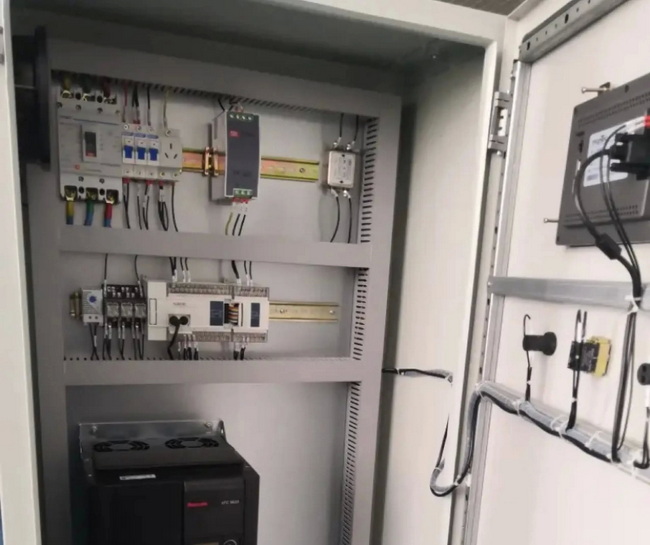
HDPE back panels are best suited to well‑defined niches rather than every possible enclosure electrical scenario. They are particularly attractive when the design emphasizes insulation, corrosion resistance, and ease of handling.
Typical suitable uses include:
- Small utility or telecom cabinets where the enclosure electrical assembly uses mostly lightweight electronics, low‑power switches, sensors, and communication modules.
- Corrosive or damp locations (for example, near coastal areas, water treatment facilities, or irrigation systems) where a non‑corroding mounting plate is desirable inside the enclosure electrical box.
- Applications where electrical isolation is a priority and grounding is handled by dedicated conductors or bars rather than through the enclosure electrical structure.
- Prototype and low‑volume systems that benefit from easy field machining and frequent layout modifications.
- Certain renewable energy and monitoring projects where enclosure electrical loads are low but outdoor durability and chemical resistance are critical.
In contrast, heavy‑duty industrial enclosures with large breakers, busbars, or motor control centers should continue to rely on metallic back panels for safety, stiffness, and long‑term dimensional stability.
If you decide to use HDPE as the back panel material in an enclosure electrical cabinet, proper design and installation practices are essential to ensure safety and long service life.
Consider the following guidelines:
- Provide adequate support: Avoid large unsupported spans on the HDPE plate, especially in wide or tall enclosure electrical cabinets, to minimize bending or vibration.
- Distribute weight carefully: Place heavier components near structural support points of the enclosure electrical body or use additional brackets so that no small area of the HDPE panel carries excessive load.
- Choose suitable fasteners: Use screws, inserts, or hardware that are designed for plastics to reduce the risk of cracking around mounting holes and to maintain clamping force over time.
- Control temperatures: Confirm that the enclosure electrical environment and internal heat rise remain comfortably below the continuous operating limit of HDPE, and avoid mounting the hottest components directly on the plastic if possible.
- Plan separate grounding: Because HDPE cannot carry current, always plan a dedicated grounding bar and conductors that connect doors, metal parts, and cable shields within the enclosure electrical system.
- Allow for future modifications: Take advantage of the easy machinability of HDPE by leaving extra space and some reserved area for additional components, so the enclosure electrical layout can evolve without needing a new back panel.
By following these guidelines, designers and installers can make HDPE work reliably as a back panel material in suitable enclosure electrical applications.
There are many situations where a metal back panel remains the safer and more robust solution for an enclosure electrical project. In many cases, standards, best practices, and lifecycle expectations all favor metal.
Choose metal back panels when:
- Your project must comply with demanding industrial or commercial standards that assume metallic construction for enclosure electrical assemblies.
- The system contains heavy components such as large power supplies, contactors, soft starters, or transformers that require strong mounting surfaces.
- The back panel needs to participate in grounding, bonding, or electromagnetic shielding, particularly in high‑frequency, high‑noise, or high‑fault‑level environments.
- The enclosure electrical system operates in high‑temperature zones, near heat sources, or in applications where fire performance and thermal stability are critical.
- The equipment will be subject to strong vibration, mechanical shock, or rough handling, where the stiffness of a metal back panel greatly improves reliability.
Metallic back panels integrated with a high‑quality metal enclosure electrical cabinet provide a long‑term solution for power distribution, industrial automation, building services, and other demanding sectors.
Choosing between HDPE and metal back panels is easier when you work with a specialist manufacturer that understands the complete enclosure electrical environment, from front door to mounting plate. A professional supplier can review component layout, heat dissipation, protection levels, and standards to define the best specification.
Ningbo Bohui Electric Co., Ltd. (also known as Ningbo Bohui Technology) is a specialist manufacturer focusing on the design, development, and manufacturing of high‑quality sheet‑metal distribution boxes and enclosure electrical products. With more than two decades of experience and a strong engineering team, the company provides standard and customized metal enclosure electrical solutions for power, communications, industrial automation, construction, new energy, and related industries.
Its range includes:
- IP65/IP66 waterproof wall‑mount junction boxes for enclosure electrical wiring.
- Stainless steel outdoor distribution boxes and rainproof cabinets with enhanced durability.
- Metal electrical power boxes for harsh environments and demanding industrial sites.
- Custom enclosure electrical products such as free‑standing cabinets, modular enclosures, network enclosures, and EV charger housings.
By collaborating with a professional manufacturer, you can analyze each project's load, environment, and safety requirements and then decide whether HDPE, metal, or a combination of materials is best for the enclosure electrical design.
You can use an HDPE back panel inside an enclosure electrical system under the right conditions, especially in light‑duty, corrosion‑prone, or highly insulated environments where low weight and non‑conductivity are advantages. HDPE can be an excellent choice for small utility, telecom, and control cabinets that do not carry heavy loads or extreme temperatures and where a non‑corroding mounting plate simplifies long‑term maintenance.
However, HDPE does not replace metal in heavy‑duty industrial enclosure electrical applications that demand high mechanical strength, thermal stability, and integrated grounding or electromagnetic shielding. For these projects, metallic back panels remain the preferred and often required solution. When selecting a back‑panel material, always evaluate load, temperature, safety, environmental exposure, and standards compliance for your enclosure electrical project, and consider partnering with an experienced manufacturer like Ningbo Bohui Electric to define the optimal combination of enclosure and back‑panel materials.
Contact us to get more information!
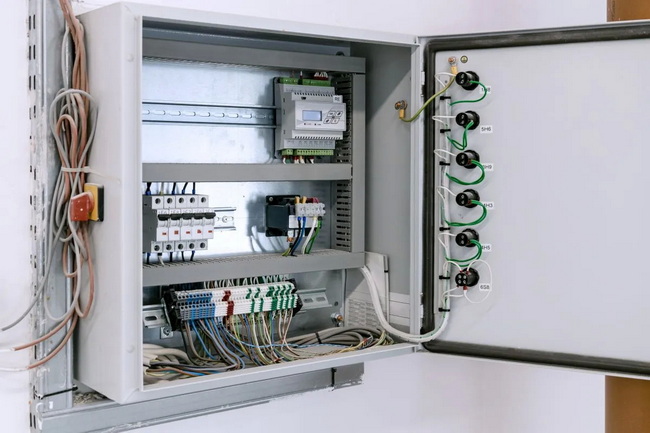
HDPE is non‑conductive and offers good impact and chemical resistance, so it can be safely used as a mounting surface in suitable enclosure electrical applications with controlled temperatures and moderate mechanical loads. It is widely used in various utility and outdoor boxes, which confirms that, when properly applied, HDPE can deliver reliable performance inside an enclosure electrical cabinet.
In most heavy‑duty industrial enclosure electrical systems, HDPE cannot fully replace metal because it lacks the same strength, temperature resistance, and grounding capability required for large transformers, busbars, and high‑current devices. Plastic back panels are more appropriate for lighter applications, while metal back panels remain essential where loads are high, fault levels are significant, and standards call for metallic construction.
An HDPE back panel does not provide grounding or electromagnetic shielding because it is electrically insulating. When you use HDPE in an enclosure electrical design, you must include separate grounding conductors, bars, and bonding straps to ensure safe fault current paths and proper protection. Ignoring this requirement can result in unsafe conditions and non‑compliance with electrical codes.
HDPE and other plastic back panels are most common in smaller enclosure electrical cabinets for telecom, utilities, renewable energy monitoring, and light control systems. In these applications, loads are modest, corrosion resistance is important, and non‑conductivity brings safety advantages. They are also used in locations where the enclosure electrical system is exposed to moisture, chemicals, or soil and where weight reduction is helpful.
To choose between HDPE and metal, compare mechanical load, operating temperature, environmental conditions, desired protection degree, grounding and shielding needs, and any applicable standards. For critical or high‑load industrial enclosure electrical installations, metal back panels are usually recommended, while HDPE can be selected for lighter, corrosion‑prone, and highly insulated applications. Consulting a professional enclosure electrical manufacturer can help you balance performance, cost, and safety.
1. https://www.charlesindustries.com/product/below-grade-hdpe-enclosures-cbge/
2. https://integraenclosures.com/category/technical-articles/back-panels-101/
3. https://www.commercial-industrial-supply.com/collections/enclosure-back-panels
4. https://powersolutionme.com/blog/metal-vs-plastic-electrical-back-boxes-which-one-is-best-for-your-project/
5. https://www.bjenclosure.com/blog/metal-vs-plastic-electrical-enclosures-pros-and-cons
6. https://skkbobox.com/metal-electrical-box-vs-plastic-which-is-right/
7. https://www.reddit.com/r/PLC/comments/k4mhqj/plastic_vs_metal_electrical_cabinet/
8. https://www.digikey.ca/en/products/filter/boxes/high-density-polyethylene-hdpe/594
9. https://www.borderstates.com/All-Products/Electrical-Boxes-Cabinets-Enclosures-Racks/Electrical-Enclosures-Accessories/Underground-Electrical-Enclosure/Oldcastle-Infrastructure-Underground-Electrical-Enclosure-Flush-Covers-15-x-10-x-2-in-HDPE-Electric-Pedestrian/p/256482
10. https://www.essentracomponents.com/en-za/s/hdpe/industrial/electrical-enclosures
11. https://www.polycase.com/electrical-enclosures
12. https://www.bohuitechnology.com
13. https://bohuitechnology.com/list/29-list-29-url.html
14. https://www.bohuielectric.com/steel-enclosure.html

2026-07-26

2026-07-24


