


Views: 222 Author: Amanda Publish Time: 2026-02-04 Origin: Site


Content Menu
● What Is a Buried Junction Box and Why Waterproofing Matters
● Understanding IP Ratings for Underground Junction Boxes
>> Common IP Ratings for Waterproof Junction Boxes
● Materials and Design Features for a Waterproof Underground Junction Box
>> Key Waterproofing Features to Look For
● Drainage, Condensation, and Moisture Management
>> Drainage Concepts for Underground Junction Boxes
>> Condensation and Internal Moisture
● Step by Step: How to Install and Waterproof a Buried Junction Box
>> 1. Plan and Choose the Right Waterproof Junction Box
>> 2. Prepare the Trench and Base
>> 3. Mount and Level the Junction Box
>> 4. Route and Seal Conduits and Cables
>> 5. Make Electrical Connections
>> 6. Seal the Box and Verify the Integrity
>> 7. Backfill and Mark the Location
● Common Buried Junction Box Waterproofing Mistakes
● Real World Use Cases for Waterproof Underground Junction Boxes
● Choosing Between Underground and Wall Mounted Waterproof Enclosures
● How a Professional Enclosure Manufacturer Supports Reliable Waterproofing
● Safety, Standards, and Inspection Practices
● FAQs About Buried Junction Box Waterproofing
>> 1. What IP rating do I need for a buried junction box?
>> 2. Can I use a standard outdoor junction box underground?
>> 3. How do I stop water entering through the conduit?
>> 4. Why is there condensation inside my waterproof junction box?
>> 5. How often should buried junction boxes be inspected?
For any underground electrical system, properly waterproofing a buried junction box is essential to prevent failures, corrosion, and safety hazards over the long term. This guide walks you step by step through choosing the right waterproof junction box, understanding IP ratings, installing and sealing it correctly, and avoiding the most common underground waterproofing mistakes.
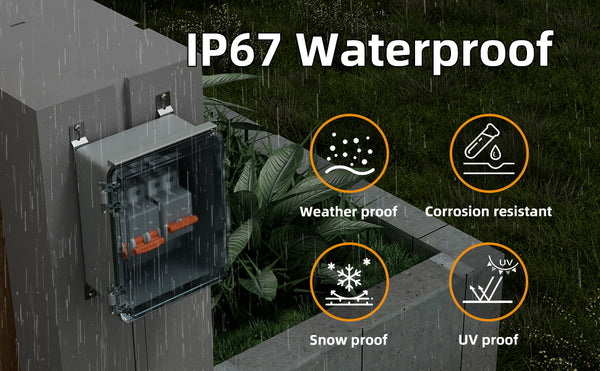
A buried (or underground) junction box is an enclosure used to connect and protect electrical cables below ground level in applications such as garden lighting, pumps, EV chargers, and industrial systems. Because it is constantly exposed to soil moisture, groundwater, and condensation, waterproofing quality directly determines the safety, reliability, and service life of the entire circuit.
Key risks of poor waterproofing include:
- Short circuits and tripped breakers.
- Corrosion of terminals and conductors.
- Insulation breakdown and electric shock risk.
- Costly excavation and repair work.
A well designed waterproof underground junction box, combined with correct installation, can operate for many years with minimal maintenance.
To help both users and search engines understand this topic, this guide strategically uses the following key phrases in natural language:
- buried junction box waterproofing
- underground waterproof junction box
- waterproof electrical enclosure for outdoor and underground use
- IP65, IP66, IP67 and IP68 junction box ratings
- step by step waterproof junction box installation
These phrases appear in the title, introduction, subheadings, and relevant sections to improve topical relevance without keyword stuffing.
Choosing the correct IP rating is the foundation of buried junction box waterproofing. IP (Ingress Protection) ratings define how well an enclosure resists dust and water ingress.
- IP54 / IP55: Basic splash and light spray protection, suitable for sheltered outdoor use but not ideal for direct burial.
- IP65: Dust tight and protected against low pressure water jets, commonly used for outdoor wall mounted junction boxes.
- IP66: Dust tight and protected against powerful water jets, often used in more demanding outdoor or industrial environments.
- IP67: Dust tight and protected against temporary immersion in water up to approximately 1 meter for 30 minutes.
- IP68: Dust tight and protected against continuous submersion under manufacturer specified conditions, suitable for permanent underwater or saturated soil applications.
For most direct burial applications with potential standing water, IP67 or IP68 is strongly recommended.
The enclosure material and design strongly influence durability and waterproof performance.
- ABS, ASA, or polycarbonate plastic: Lightweight, corrosion resistant, and cost effective, widely used for outdoor and underground junction boxes.
- Fiberglass: High strength and temperature resistance, often used for heavy duty underground or industrial enclosures.
- Stainless steel or cold rolled steel: High mechanical strength and impact resistance, typically used for wall mounted or cabinet style boxes rather than direct burial, with IP65 or IP66 versions common in outdoor use.
A high quality waterproof buried junction box should include:
- Molded or machined housing with continuously sealed joints.
- Rubber or silicone gasket between housing and lid to form a watertight seal.
- Cable glands or sealed knockouts at entry points.
- Corrosion resistant fasteners and internal hardware.
- Smooth internal surfaces for easy sealing and cable management.
Many modern IP67 ABS junction boxes combine durable plastic housings with gasketed lids for outdoor and underground use.
Even with high IP ratings, moisture can still reach the enclosure through conduits or condensation. A complete buried junction box waterproofing strategy should consider both waterproofing and drainage.
- Open bottom splice boxes: Allow natural drainage into the surrounding gravel layer.
- Pea gravel bedding: A layer of gravel below and around the box helps disperse water and prevents long term ponding.
- Avoiding “bathtub” situations: Do not set the box inside impermeable clay or concrete pockets where water can accumulate.
Temperature changes can cause moist air in conduits to condense inside the box, gradually accumulating water. To manage this:
- Properly seal conduits and use waterproof cable glands.
- Use gel filled connectors, cast resin kits, or sealing compounds for critical joints.
- For some applications, use desiccant packs or breathable pressure equalization vents designed for enclosures.
This step by step process helps ensure your underground junction box waterproofing is reliable and compliant with good engineering practice.
- Confirm application: Load, voltage, environment, burial depth, and applicable standards.
- Select an enclosure with appropriate IP rating (IP67 or IP68 for burial, IP65 to IP66 for wall mounted enclosures near grade).
- Choose material (ABS, polycarbonate, fiberglass, or steel) based on corrosion resistance, impact resistance, and cost.
- Ensure sufficient internal space for cable bending radius, connectors, and possible future expansion.
- Excavate the trench to the required depth and width according to project design.
- Compact the subgrade and add a layer of pea gravel or other free draining aggregate where the box will sit.
- Avoid placing the box in low spots that are prone to long term standing water.
- Position the buried junction box on the gravel bed and level it carefully.
- For open bottom boxes, ensure adequate gravel coverage below for drainage.
- For closed base IP67 or IP68 boxes, double check there is no sharp debris underneath that can stress or puncture the housing.
- Run conduits or direct burial cables into the box according to local requirements.
- Use appropriately sized cable glands or sealed knockouts to create watertight entries.
- Apply compatible sealant or grommets around entries if required by the enclosure manufacturer.
- De energize the circuit and verify with a tester before any work.
- Strip conductors to the proper length and use approved underground connectors or terminal blocks.
- For high risk locations, use gel filled connectors or cast resin kits to encapsulate splices.
- Maintain proper color coding and labeling for future maintenance.
- Inspect the gasket for damage, dirt, or twisting and clean it if needed.
- Close the lid evenly and tighten screws to the torque recommended by the manufacturer to avoid deforming the gasket.
- Ensure all unused knockouts are sealed with approved plugs.
- Backfill around the box with sand or fine soil first, then compact in layers to avoid damaging conduits.
- Place warning tape above the cables and box run where required.
- Record coordinates or site drawings so the box can be located in the future without guesswork.
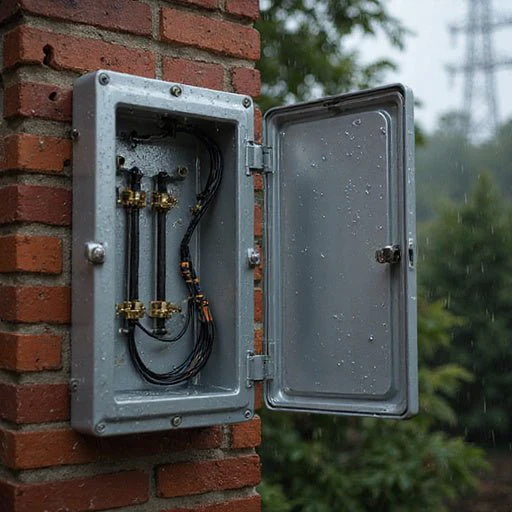
Even experienced installers can make avoidable mistakes that compromise waterproofing.
Typical errors include:
- Using indoor rated or low IP enclosures underground, which quickly leads to water ingress and corrosion.
- Failing to seal cable entries properly, leaving gaps around conduits or cables.
- Overtightening lid screws, which warps the enclosure or gasket and creates leak paths.
- Ignoring drainage and placing boxes in areas with standing water and poor soil drainage.
- Overcrowding the box with too many cables and connectors, preventing proper closure and sealing.
Waterproof underground junction boxes are widely used across multiple industries and applications.
Typical scenarios include:
- Outdoor lighting: Garden, park, pathway, and street lighting circuits often use buried junction boxes to connect branch circuits safely.
- Water features and pumps: Fountains, ponds, and irrigation pumps require reliable waterproofing because equipment is near or below water level.
- Renewable energy and EV charging: Solar fields, energy storage systems, and outdoor EV infrastructure rely on sealed underground connections for safety and uptime.
- Industrial automation and communications: Underground conduits for data, control, and power often terminate in IP rated junction boxes near equipment.
In some projects, you can choose between directly burying a junction box or using a nearby wall mounted enclosure above ground.
Aspect | Buried Junction Box | Wall Mounted Waterproof Enclosure |
Typical IP rating | IP67 to IP68 for temporary or continuous immersion. | IP65 to IP66 for rain, spray, and water jets. |
Accessibility | Requires excavation to access. | Easy access for inspection and maintenance. |
Exposure | Protected by soil and relatively stable temperature. | Exposed to sun, rain, and mechanical impact. |
Installation complexity | Requires trenching and drainage design. | Requires wall or structure, with simpler cabling. |
Typical materials | ABS, polycarbonate, fiberglass. | Steel, stainless steel, ABS, ASA. |
For many residential or light commercial jobs, wall mounted IP65 or IP66 boxes are used at grade, with underground cables entering from below. Fully buried IP67 or IP68 boxes are preferred where above ground mounting is not possible or visually acceptable.
Professional enclosure manufacturers design products specifically to address the challenges of underground and outdoor waterproof junction box applications.
Typical capabilities include:
- Comprehensive product ranges from small IP67 plastic junction boxes to large IP65 or IP66 metal distribution cabinets.
- Certified protection with third party testing and certification to verify performance.
- Customization of dimensions, mounting options, and cut outs based on project drawings.
- Industry focused solutions for power distribution, industrial automation, construction, communications, and new energy systems.
Working with a specialist enclosure partner helps ensure enclosure selection, waterproof rating, and mechanical design align with your project's safety and life cycle expectations.
Proper buried junction box waterproofing is not just a performance issue, it is a safety and compliance issue.
Best practices include:
- Follow local electrical codes and standards for underground wiring and enclosures.
- De energize circuits and verify absence of voltage before working on junction boxes.
- Use tested components such as junction boxes, connectors, and cable glands that match the environmental and electrical requirements.
- Implement regular inspection schedules for critical systems, especially in high risk locations such as near water or in industrial sites.
If signs of water ingress appear, such as discolored terminals, corrosion, or moisture traces, plan for prompt remediation before failures occur.
If your project involves underground power, communications, or new energy systems, choosing the right waterproof junction box and installation method is critical to long term reliability and safety. Prepare your project requirements, including IP rating, material, dimensions, and application details, and contact a professional enclosure manufacturer to receive tailored product recommendations and a fast quotation for your buried junction box and related enclosure solutions.
Contact us to get more information!
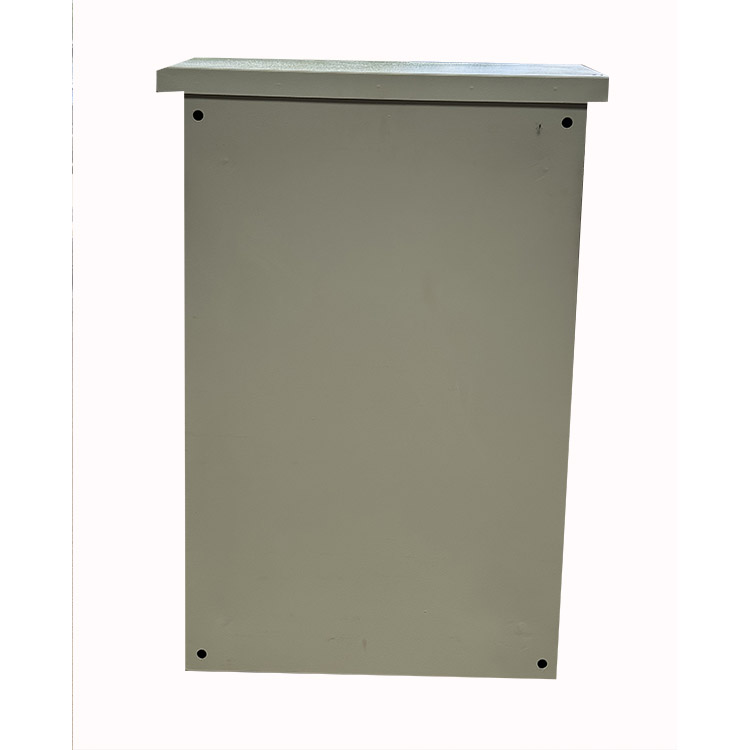
For direct burial installations where the box may be exposed to soil moisture or temporary flooding, IP67 or IP68 is generally recommended because these ratings cover temporary or continuous water immersion. Lower IP ratings such as IP65 are better suited to wall mounted outdoor boxes above grade rather than fully buried applications.
Most standard outdoor boxes rated only IP54 or IP55 are not designed for permanent contact with wet soil or standing water. For underground use, select a box that is explicitly rated and tested for immersion conditions, typically IP67 or IP68, and follow proper installation procedures.
Use correctly sized cable glands or sealed knockouts and follow the manufacturer's instructions for tightening and sealing around cables. In high risk or long run conduits, consider additional sealing at conduit ends and the use of gel filled connectors or resin kits for extra protection.
Temperature swings can cause moisture in the air and conduits to condense on cooler internal surfaces, even in well sealed enclosures. Improving conduit sealing, using desiccant or venting accessories, and ensuring correct installation orientation can help reduce condensation buildup.
Inspection intervals depend on the criticality of the system, but underground boxes in high risk environments should be checked periodically as part of a preventive maintenance plan. Any signs of corrosion, discoloration, or moisture indicate that waterproofing measures should be reviewed and upgraded if necessary.
1. https://viox.com/buried-junction-box-waterproofing-guide/
2. https://viox.com/underground-electrical-junction-boxes/
3. https://viox.com/waterproof-junction-box/
4. https://viox.com/product/viox-waterproof-junction-box-ag1212/
5. https://viox.com/product/waterproof-junction-box-series-80x80x50-2/
6. https://viox.com/product/ip67-waterproof-junction-box-series/
7. https://viox.com/product-category/wall-mounting-enclosure/
8. https://www.greenwaycs.com/industry-news/386.html
9. https://www.cnhuntec.com/blog/top-5-ul-junction-box-options-for-electrical-projects/
10. https://www.bohuitechnology.com
11. https://www.youtube.com/watch?v=XfeQS8MIrwg
12. https://www.fuconterminal.com/blog/top-waterproof-wire-options-guide-for-your-projects/
13. https://www.bohuitechnology.com/e_products/
14. https://www.youtube.com/watch?v=w_YgotU8lA4
15. https://www.electrical4less.co.uk/2025/10/23/guide-to-outdoor-junction-boxes/

2026-07-26

2026-07-24


