


Views: 222 Author: Amanda Publish Time: 2026-02-05 Origin: Site


Content Menu
● Electrical Enclosures: Why Location and Environment Come First
● Understand Your Installation Environment
>> Indoor vs Outdoor Conditions
>> Moisture, Dust, and Corrosive Contaminants
>> Temperature, UV, and Mechanical Stress
● Hazardous Locations and Explosion Risk
>> Why Hazardous Areas Demand Special Enclosures
>> Purging and Pressurization: Core Safety Concepts
>> Key Factors When Choosing a Purge/Pressurization System
● Ratings and Protection: Matching Performance to the Environment
>> How Ratings Relate to Real-World Conditions
>> Rating and Application Quick Reference Table
● Material, Size, and Thermal Management
>> Choosing the Right Enclosure Material
>> Sizing for Components, Cables, and Future Growth
>> Cooling, Heating, and Ventilation
● Practical Step-by-Step Checklist Before You Buy
● Call to Action – Design Your Next Enclosure with Confidence
● Frequently Asked Questions (FAQ)
>> 1. Why is the installation environment more important than enclosure cost?
>> 2. When do I need purging and pressurization for an electrical enclosure?
>> 3. How do I choose between different outdoor enclosure ratings?
>> 4. What material is best for enclosures in corrosive industrial environments?
>> 5. How do I know if my enclosure needs additional cooling or heating?
Choosing the right electrical enclosure is not just a purchasing decision; it is a safety, reliability, and compliance decision that directly affects uptime, maintenance cost, and operator safety in power, telecom, network, industrial automation, building, new energy storage, EV charging, and pump applications. This guide shows you how to evaluate the installation environment first and then select the right rating, material, and protection concept for your project.

Before looking at price or brand, always ask one key question: where will this enclosure actually run, and what can go wrong there. Temperature swings, corrosive atmospheres, conductive dust, and explosive gases all determine the correct rating, material, and safety concept more than any catalog specification.
- Safety – Incorrect enclosure selection can allow flammable gas, dust, or metal particles to reach energized components, creating ignition or even an explosion.
- Reliability – Moisture, dust, and chemicals accelerate corrosion and insulation failure, leading to downtime and costly field service.
- Compliance – Hazardous locations require solutions that align with applicable standards and local codes; wrong choices expose you to legal and insurance risks.
The first critical distinction is whether your enclosure will be installed indoors or outdoors, because each environment exposes equipment to very different risks. Clarifying this early helps you quickly shortlist suitable enclosure types and ratings.
- Indoor, clean and dry: Offices, control rooms, IT rooms; basic protection against contact and dust is usually enough.
- Indoor, harsh industrial: Process plants, workshops, food and beverage lines, chemical production; expect wash-downs, oil mist, and airborne contaminants, so higher levels of sealing and corrosion resistance are required.
- Outdoor, general weather: Rooftops, utility yards, telecom towers; you must protect against rain, snow, UV radiation, and wide temperature swings with robust weatherproof designs.
A practical approach is to document both typical and worst-case conditions, including storms, cleaning procedures, and seasonal extremes, before you finalize the enclosure specification.
Water and particles are two of the most common, and most underestimated, causes of enclosure failure. Understanding how they interact with your chosen material and sealing is essential for long-term performance.
- Moisture: Rain, wash-downs, condensation, and high humidity attack gaskets and create leakage paths, so enclosures must have appropriately rated seals wherever spray or rain is present.
- Dust and fibers: Metal dust, carbon dust, wood dust, and textile fibers can be conductive or combustible and must be kept out to prevent tracking, arcing, and possible ignition.
- Chemicals and corrosion: Acids, alkalis, fertilizers, salt spray, and industrial solvents degrade coatings and metals; stainless steel or engineered plastics with suitable ratings usually offer better long-term performance.
A structured way to think about this is to list every liquid, dust, and gas that might contact the enclosure over its lifetime, then match that list to a rating and material that can survive it.
The thermal and mechanical environment also drives your enclosure selection and determines many details such as wall thickness, finishing, and mounting.
- Temperature range: Outdoor enclosures must tolerate low winter temperatures, high summer conditions, and heat generated by internal components.
- UV exposure: Direct sunlight prematurely ages plastics and seals; UV-stable coatings and materials are important for outdoor applications.
- Mechanical impact and vibration: Forklifts, falling tools, or road vibration in EV and pump applications require robust construction and proper mounting that resists shock and fatigue.
In new energy storage systems or EV charging, for example, enclosures must tolerate both wide ambient temperature changes and continuous thermal load from power electronics.
If your enclosure will be installed where flammable gas, vapor, or dust may be present, conventional weatherproof or dust-tight housings are not enough. In these locations, inappropriate enclosure selection can turn a small leak into a catastrophic explosion.
Typical hazardous areas include chemical and petrochemical plants, grain handling and food processing lines, battery and energy storage rooms, and paint or solvent handling areas. In such places, zones are classified based on the type and likelihood of explosive atmospheres, and the entire protection concept, not just the box, must comply with the relevant requirements.
For many hazardous locations, purging and pressurization offer a proven method to operate standard electrical equipment safely in a dangerous atmosphere. These techniques control the atmosphere inside the enclosure so that any external explosive mixture cannot reach live components.
- Purging: The enclosure is supplied with compressed air or inert gas at a controlled flow and pressure to remove flammable gases inside until the internal atmosphere is safe.
- Pressurization: After purging, a slight overpressure is maintained inside so that hazardous gas or dust cannot enter through small gaps or leakage points.
When flammable gases or vapors are present, both purging and pressurization are typically required, while in dust-hazard atmospheres, pressurization alone may be sufficient. The goal is to prevent dangerous mixtures from ever contacting ignition sources inside the enclosure.
When you specify a purge and pressurization system for an enclosure, consider at least the following five critical parameters.
- Hazardous area classification: The class and division or zone where the enclosure will be used determine the type of system required and the internal equipment category that is acceptable.
- Equipment rating: The internal equipment rating must align with the external hazardous classification and the desired environment maintained inside the enclosure.
- Enclosure dimensions and volume: Internal volume determines how much purge gas is needed and how long purging must continue to reach a safe concentration.
- Enclosure configuration: Cable entries, doors, and penetrations must be sealed appropriately, and external wiring must be suitable for the surrounding hazardous area.
- Power and controls: Interlocks, alarms, and control power must be sized correctly to ensure safe operation, especially for systems that automatically cut power when pressure is lost.
In hazardous areas, access rules are strict: you may only open the enclosure when the area is confirmed non-hazardous or when all internal power has been safely de-energized and, if necessary, cooled down.
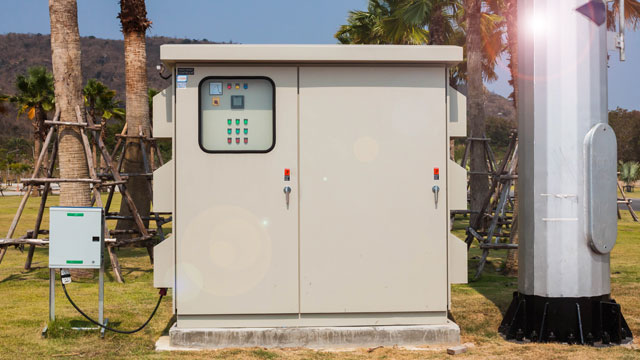
Enclosure ratings describe the level of ingress protection and sometimes corrosion resistance that a housing offers against environmental hazards. They define how well the enclosure resists water, dust, and other contaminants under specified conditions.
Typical use cases include clean indoor panels with basic protection against accidental contact, dusty industrial environments that need resistance to airborne particles and splashing oil, general outdoor electronics exposed to rain and snow, and wash-down or marine applications that require strong sealing and corrosion resistance. Selecting a rating below what the environment demands can lead to rapid failure and safety problems.
| Application focus | Typical rating range | What this usually protects against |
|---|---|---|
| Clean indoor panels | Basic indoor rating (e.g., 1-type level) | Accidental contact and falling dirt in controlled environments. |
| Dusty indoor industrial lines | Dust-tight and oil-resistant indoor ratings | Dust, lint, dripping oil, and light splashing liquids. |
| General outdoor electronics | Weather-resistant outdoor ratings | Rain, sleet, and limited ice formation in exposed locations. |
| Wash-down, food, chemical, marine | High-sealing, corrosion-resistant ratings | Powerful water jets, cleaning chemicals, and marine atmospheres. |
| Hazardous gas or dust (with purging) | Sealed housings combined with purge/pressurization | Blocks ingress while internal pressure and gas flow keep explosive mixtures out. |
This table helps you quickly align the real environment with a practical rating range, which you can then refine based on exact conditions and compliance needs.
Material choice affects corrosion resistance, weight, cost, and thermal performance. It also influences the ease of machining, grounding, and long-term cosmetic appearance.
- Carbon steel: Robust and cost-effective for indoor use where corrosion is moderate; requires high-quality coatings in harsher atmospheres.
- Stainless steel: Excellent corrosion resistance for chemical plants, food processing, marine and coastal applications, and outdoor energy storage systems.
- Aluminum: Lighter than steel with good outdoor durability, often used for telecom and transport-related enclosures.
- Engineering plastics and fiberglass: Non-conductive, corrosion-proof, and lightweight, widely used in outdoor telecom, water, and some renewable energy installations.
For environments combining moisture, salt, and aggressive chemicals, stainless steel or reinforced polymer enclosures are often the safest long-term choice.
An enclosure that is too small creates heat build-up and cable congestion, while one that is significantly oversized wastes money and space. Finding the right balance ensures both performance and cost-efficiency.
- Plan the internal component layout, clearance, and wiring routes, including necessary bending radius for cables.
- Allow space for terminal blocks, power distribution elements, and communication modules such as switches or routers.
- Reserve adequate area for cable entry points and glands, covering both current and anticipated future connections.
- Consider future expansion needs such as additional I/O, new drives, or communication devices during the design phase.
Maintenance teams strongly benefit from enclosures that allow safe access, clear labeling, and sufficient room for testing and replacement without disturbing adjacent equipment.
Internal heat from drives, inverters, processors, and power supplies can push the temperature above component ratings even in a moderate ambient environment. Proper thermal management is essential to protect sensitive electronics and extend service life.
- Passive solutions: Larger enclosures, light-colored finishes, sunshades, and natural convection arrangements.
- Active cooling: Fans, heat exchangers, and air conditioners matched to a calculated heat load and target temperature range.
- Heating: Anti-condensation heaters and thermostats in cold or humid climates to avoid internal moisture and maintain stable operating conditions.
In hazardous locations, any cooling or ventilation solution must be compatible with the purge and pressurization system as well as the applicable hazardous-area requirements.
Use this simple pre-purchase checklist to avoid costly mistakes and ensure your enclosure is matched to real-world conditions.
- Define the environment: Determine whether the location is indoor or outdoor and identify the presence of water, dust, chemicals, UV exposure, and vibration.
- Determine hazardous status: Check whether the area is classified as a hazardous location and identify the relevant classification scheme.
- Match protection rating: Choose a rating that meets or exceeds worst-case conditions, accounting for moisture, dust, and mechanical stress.
- Select material: Decide between steel, stainless steel, aluminum, or plastic based on corrosion, mechanical, and weight requirements.
- Plan size and layout: Verify that all current and future components, cables, and accessories will fit with adequate clearance and space for maintenance.
- Address thermal management: Estimate heat load and define whether passive or active cooling or heating is needed to stay within component limits.
- Specify purge/pressurization if needed: For hazardous areas, define purge type, flow, pressure, and control interlocks.
- Consider serviceability: Ensure there is enough space around and inside the enclosure for safe operation, inspection, and repair.
This process is particularly important for complex systems such as industrial robotics, building automation, new energy storage, and EV charging, where reliability and safety expectations are very high.
If you are planning a new project in power, telecom, network infrastructure, industrial automation, building systems, new energy storage, EV charging, or pump control, now is the ideal time to review your enclosure strategy. A carefully chosen electrical enclosure, matched to its environment and hazard level, can dramatically reduce downtime, extend equipment life, and enhance safety over its entire lifetime.
Share your environmental and application details with a professional enclosure manufacturer so they can recommend a tailored rating, material, and, where needed, a complete purge and pressurization solution. Take the next step today by contacting our engineering team to discuss your specific project requirements and start designing an enclosure solution that is safe, compliant, and ready for future expansion.
Contact us to get more information!
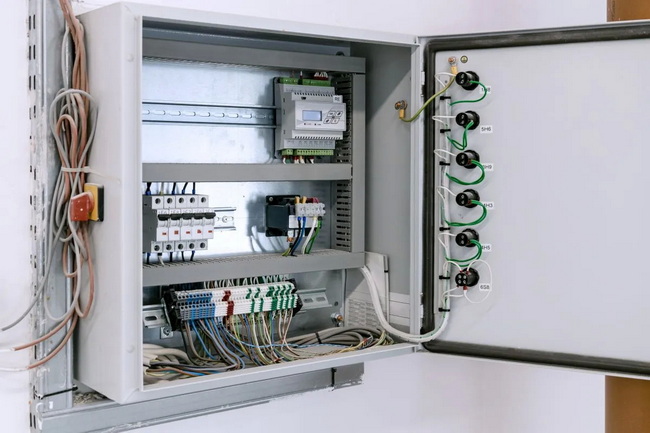
The environment determines exposure to moisture, dust, chemicals, temperature extremes, and explosion risk, all of which directly affect safety and lifespan. Choosing a cheaper but unsuitable enclosure often leads to early failure, unplanned downtime, and a significantly higher total cost of ownership.
Purge and pressurization systems are typically required when an enclosure is installed in a classified hazardous area where flammable gases, vapors, or combustible dusts may be present. These systems remove dangerous gases from inside the enclosure and maintain positive pressure to keep hazardous atmospheres from re-entering.
For general outdoor use, basic weather-resistant ratings may be sufficient, while wash-down or chemically aggressive environments require higher sealing and corrosion resistance. If your equipment faces frequent cleaning, coastal air, or aggressive chemicals, selecting a more robust and corrosion-resistant outdoor rating is usually the safer long-term choice.
Stainless steel and high-performance polymers are often preferred in corrosive environments because they resist chemicals and salt better than painted carbon steel. The final choice depends on specific contaminants, mechanical requirements, and any hygiene or industry-specific standards that apply.
If internal components generate significant heat or ambient temperatures are high, you should calculate the total heat load and compare it to the enclosure's allowable temperature range. In cold or humid climates, heating and anti-condensation measures may be required to prevent moisture build-up and maintain component reliability.
1. https://www.nemaenclosures.com/blog/always-consider-where-you-will-be-using-your-electrical-enclosure-before-you-buy/
2. https://solutioncontrols.ca/blog/buying-an-electrical-enclosure-here-are-some-facts-that-you-should-know/
3. https://blog.electrozad.com/top-5-factors-to-consider-when-shopping-for-electrical-enclosures
4. https://itsenclosures.com/blog/selecting-an-electrical-enclosure-items-to-consider/
5. https://www.americord.com/blogs/blog/comprehensive-handbook-on-nema-enclosures
6. https://apx-enclosures.com/other-nema-rating/
7. https://www.c3controls.com/white-paper/nema-ratings-and-environmental-protection-choosing-the-right-enclosure
8. https://hken.rs-online.com/web/content/discovery/ideas-and-advice/securing-electronics-a-look-into-electrical-enclosure-choices


2026-04-21


