


Views: 222 Author: Amanda Publish Time: 2026-02-18 Origin: Site


Content Menu
● Junction Box vs Joint Box: Core Differences
>> Typical application differences
● Feature-by-Feature Comparison Table
● When to Specify a Junction Box
● Electrical vs Fiber Applications: Why the Terminology Matters
● Design and Construction Differences in Detail
● Safety, Compliance, and Maintenance Considerations
● Practical Selection Guide: Which Box for Which Scenario?
>> 1. Identify the system type
>> 2. Identify the connection type
>> 3. Assess environmental exposure
>> 4. Consider access and maintenance
● Real-World Example Scenarios
● Best Practices for Specifying and Installing Boxes
● FAQs: Junction Box vs Joint Box
>> 1. Is a junction box the same as a joint box?
>> 2. Can I use a junction box instead of a joint box for fiber optic cables?
>> 3. When is a joint box used in electrical systems?
>> 4. How do I know what size junction box I need?
>> 5. Do both junction and joint boxes need to be accessible?
Choosing between a junction box and a joint box can directly impact safety, reliability, and maintainability in electrical, communication, and new energy systems. This guide explains the differences in purpose, design, and applications so engineers, contractors, and buyers can confidently select the right enclosure for each project.

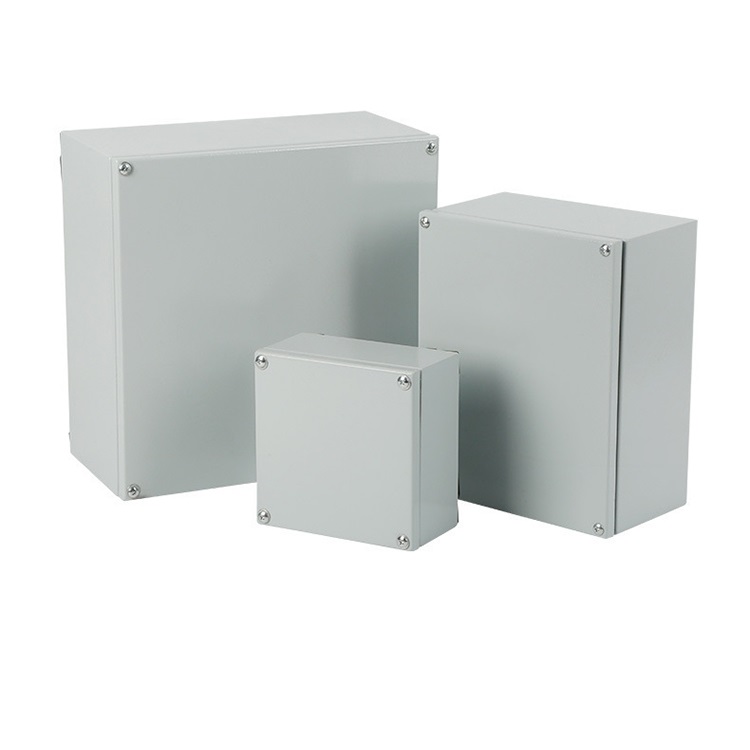
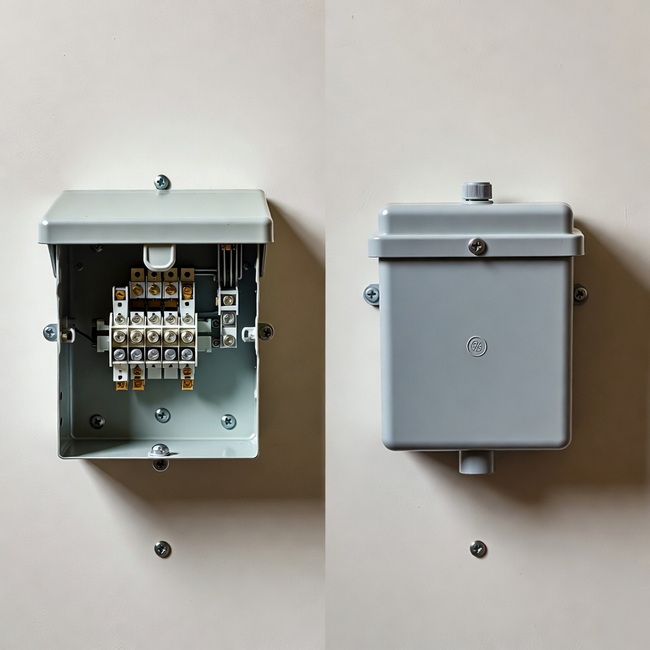
A junction box is a protective enclosure designed to house and protect electrical wire connections and splices. It is commonly used wherever circuits branch, terminate, or require safe access points in residential, commercial, and industrial installations.
Key characteristics of junction boxes include:
- Primary purpose: Protect and organize electrical connections and splices.
- Typical materials: Metal or PVC/plastic enclosures sized to wiring requirements.
- Locations: Often mounted in walls, ceilings, equipment panels, or outdoor enclosures.
- Protection role: Reduce exposure to moisture, dust, and physical impacts while preventing accidental contact with live conductors.
By centralizing connections in a secure box, installers can improve safety, meet code requirements, and simplify inspection and maintenance.
A joint box is an enclosure used to join cables together, most commonly in telecommunications and fiber optic networks, and in some simpler electrical connections. While the term is sometimes used loosely, in modern practice joint boxes are especially associated with splicing and distribution points rather than complex branching circuits.
Typical joint box traits include:
- Primary purpose: Join cables or conductors, often without extensive branching.
- Common usage: Fiber optic splicing, telecom joints, and basic electrical joints.
- Design focus: Cable management and sealing rather than large internal wiring spaces.
- Environmental protection: Often sealed and weatherproof in outdoor or buried telecom applications to protect sensitive connections.
In fiber networks, joint boxes are strategically installed along the cable route to support splicing, branching, and signal distribution while keeping delicate fibers protected and organized.
While people sometimes use the two terms interchangeably, their functions, applications, and design priorities are different.
- A junction box is used to house and protect electrical connections, including multiple branches and terminations.
- A joint box is used mainly to join cables, especially in telecom and fiber optic systems, or to create simple electrical joints without complex branching.
- Junction boxes are common in lighting, power distribution, fire protection, security, and control circuits.
- Joint boxes are typical in fiber optic networks, telecom lines, and cable joints where the focus is on splicing and continuity rather than multi‑circuit branching.
The table below summarizes the main differences between junction boxes and joint boxes for quick selection.
Feature | Junction Box | Joint Box |
Primary function | Protects and organizes electrical wire splices and connections | Joins cables or conductors, often for splicing or continuity |
Main application | Power, lighting, fire and security systems, industrial control wiring | Fiber optic and telecom networks, simple electrical joints |
Typical design | More complex, with multiple knockouts or entry points for conduits and cables | Simpler internal space, designed around cable routing and sealing |
Installation location | Often recessed or surface-mounted in walls, ceilings, or equipment enclosures | Buried, pole-mounted, wall-mounted, or in manholes along cable routes |
Size range | From small device boxes to large industrial enclosures for multiple circuits | Generally compact, sized around cable diameter and splice capacity |
Environmental protection | Varies from basic indoor boxes to sealed outdoor enclosures | Often highly sealed and weatherproof for outdoor or underground use |
Safety focus | Preventing accidental contact, short circuits, and fire risks in electrical systems | Maintaining signal integrity and protecting delicate splices from moisture and stress |
Cost level | Often higher due to larger size, more features, and compliance needs | Typically lower per unit for simple joints, higher for specialized fiber joint closures |
You should choose a junction box when you need a safe, accessible enclosure for multiple electrical connections and branches.
Common use cases include:
- Lighting distribution: Branching one feeder into multiple lighting circuits.
- Power distribution: Connecting feeders to branch circuits in buildings or industrial plants.
- Control and signal wiring: Centralizing terminations for sensors, relays, and control devices.
- Fire and security systems: Protecting control loops and device connections.
In these scenarios, a junction box provides space, mechanical protection, and code‑compliant access for inspection and maintenance.
A joint box is the better choice when your priority is to join or splice cables in‑line, especially where complex branching is not required.
Typical scenarios include:
- Fiber optic cable routes: Splicing segments, adding branches, and managing excess fiber.
- Telecom lines: Housing joints in copper or fiber communication cables.
- Simple power cable joints: Extending or repairing a cable run in specific projects.
In these applications, joint boxes offer compact, sealed protection for splices and help maintain signal continuity and mechanical integrity along the route.
In many electrical discussions, some installers casually use “joint box” to mean any place where cables are joined. However, in modern practice it is valuable to distinguish electrical junction boxes from telecom or fiber joint boxes to avoid confusion in specifications and drawings.
- In electrical power and building wiring, use the term junction box for enclosures that hold splices and branching connections.
- In fiber optic and telecom projects, use joint box or splice enclosure for housings that protect cable joints and distribution points.
This clearer terminology supports better communication between designers, contractors, inspectors, and vendors and helps ensure you source the right enclosure type from the start.
Although both are enclosures, their internal design reflects different priorities.
A junction box is built to support safe electrical wiring practices:
- Multiple entry points via knockouts or cable glands for conduits and cables.
- Sufficient internal volume to respect fill requirements and bend radii.
- Mounting options for terminal blocks, DIN rails, or device mounting plates.
- Material choices, such as metal or engineering plastics, based on environment and code.
A joint box is optimized around cable splicing and sealing:
- Cable ports and sealing kits designed around specific cable diameters.
- Internal trays or organizers for splices, especially for fiber optic cables.
- Mechanical strength to withstand burial, water ingress, or mechanical stress.
- High IP ratings in outdoor and underground scenarios.
Understanding these design priorities helps you align product selection with mechanical, environmental, and regulatory requirements.
Both junction boxes and joint boxes contribute to system safety and reliability, but they do so in different ways.
For junction boxes:
- Correct sizing and fill levels help prevent overheating and insulation damage.
- Proper covers and fasteners prevent accidental contact with live parts.
- Accessible placement supports inspections and future maintenance.
For joint boxes:
- High‑quality sealing prevents moisture from degrading fiber splices or cable insulation.
- Controlled cable bending and strain relief protect against mechanical damage over time.
- Robust housings support long service life in buried or exposed environments.
In both cases, choosing reliable enclosures and following manufacturer instructions reduces failure rates and unplanned downtime.
Use the checklist below to quickly decide whether you need a junction box or a joint box for your project.
- Building electrical or industrial power → Usually a junction box.
- Telecom, fiber optic, or data backbone → Typically a joint box.
- Branching to multiple loads, devices, or circuits → Junction box.
- In‑line cable splice or repair, minimal branching → Joint box.
- Indoor, low‑risk areas → Standard junction box or small joint box.
- Outdoor, buried, or harsh environments → Sealed junction box for power; sealed joint box for fiber or telecom.
- Frequent inspection or re‑wiring expected → Larger junction box with easy access cover.
- Long‑life sealed joint, minimal intervention → Joint box with high sealing performance.
To make the differences more concrete, consider these simplified examples.
- In a commercial office building, a contractor installs a ceiling‑mounted junction box to connect a feeder cable to multiple lighting circuits and control wires.
- Along a fiber optic ring between data centers, engineers place joint boxes in manholes to house cable splices and allow future network expansion.
- For a pump station, a weatherproof junction box is used to connect motor leads, sensors, and control wiring, while a nearby buried joint box protects fiber optic telemetry splices.
These scenarios highlight that many modern projects use both types of boxes, each optimized for its own part of the system.
Following good practice helps ensure safety, reliability, and compliance.
For junction boxes:
- Select appropriate size, material, and rating for the environment and circuit type.
- Plan wiring layouts so that conductors are not overcrowded and bend radii are respected.
- Use proper cable glands or conduit fittings to maintain enclosure integrity.
For joint boxes:
- Match the joint box to cable type and diameter and follow approved splice methods.
- Ensure all seals, gaskets, and closures are installed correctly to maintain IP performance.
- Document joint locations for future troubleshooting and expansion.
By combining robust enclosure design with disciplined installation, projects can significantly extend the lifetime of both electrical and communication infrastructure.
If you are designing or upgrading systems in power distribution, telecom networks, industrial automation, building infrastructure, new energy storage, EV charging, or water pump control, now is the time to review whether your projects are using the most suitable junction boxes and joint boxes. For upcoming designs, work directly with a professional electrical enclosure manufacturer that can provide correctly rated junction boxes for electrical circuits and robust joint box solutions for communication and fiber lines, tailored to your standards and operating environments. Reach out to your enclosure partner's engineering team today with your drawings and specifications so you can secure safer, more reliable, and easier‑to‑maintain installations from the very first project.
Contact us to get more information!
No. A junction box is primarily used for electrical wiring connections and branching, whereas a joint box typically refers to enclosures for cable joints, especially in fiber optic and telecom applications.
Generally, no. Fiber optic splices require specialized joint boxes or splice closures that manage fiber bend radius, strain relief, and high‑quality sealing, which most standard electrical junction boxes do not provide.
In some projects, a joint box is used for simple in‑line cable splices or repairs, where there is no need to branch multiple circuits and the primary goal is to extend or repair a cable run.
Size is determined by conductor count, conductor size, and space for devices or terminations, along with code or standard requirements that specify minimum internal volume and clearances.
Electrical codes typically require junction boxes to remain accessible for inspection and maintenance, while joint boxes in fiber or telecom networks may be sealed and located in manholes, handholes, or cabinets with access procedures defined by the operator.
1. https://www.singi.com/What-is-the-difference-between-a-junction-box-and-.html
2. https://viox.com/junction-box-vs-joint-box/
3. https://www.homedepot.com/c/ab/types-of-electrical-boxes/9ba683603be9fa5395fab904b6306a7
4. https://www.onesto-ep.com/blog/junction-box-or-joint-box-which-is-right-for-your-project/
5. https://www.saipwell.com/blog/terminal-box-vs-junction-box/

2026-07-26

2026-07-24


