


Views: 222 Author: Amanda Publish Time: 2026-02-05 Origin: Site


Content Menu
● What Is Electrical Enclosure Sealing?
>> Core Functions of a Sealed Enclosure
● Why Proper Sealing Matters for Outdoor Enclosures
>> Key Business and Safety Impacts
● Understanding NEMA and IP Ratings for Sealed Enclosures
>> NEMA Enclosure Types and Sealing Expectations
>> IP Codes and How They Relate to NEMA
● Main Types of Electrical Enclosure Gaskets
>> Form‑in‑Place (FIP) Gaskets
● Common Gasket Materials for Electrical Enclosures
>> Typical Materials Used in Enclosure Gaskets
● Key Design Principles for Reliable Enclosure Sealing
>> Protecting the Gasket From Damage
>> Fasteners, Hinges, and Compression Control
● Typical Failure Modes in Enclosure Seals (and How to Avoid Them)
● Step‑by‑Step Checklist for Selecting an Electrical Enclosure Seal
● Example Use Cases: Where High‑Performance Sealing Makes the Difference
>> Outdoor Power and Renewable Energy
>> EV Charging and Transportation Electronics
>> Pumps, Water Treatment, and Infrastructure
● Design and Maintenance Best Practices for Long‑Lasting Seals
>> Installation and Maintenance Tips
● Comparison of Gasket Types for Outdoor Electrical Enclosures
● Work With a Specialist for Your Sealed Electrical Enclosures
● Take the Next Step: Optimize Your Enclosure Sealing With Expert Support
● Frequently Asked Questions (FAQ) About Electrical Enclosure Sealing
>> 1. How do I know which NEMA or IP rating I need?
>> 2. How often should enclosure gaskets be replaced?
>> 3. Can field modifications affect my enclosure's rating?
>> 4. What gasket material is best for outdoor applications?
>> 5. Do I need both NEMA and IP ratings?
Electrical enclosure sealing is the first line of defense between your critical equipment and harsh real‑world environments. A well‑designed gasket system keeps moisture, dust, chemicals, and contaminants out, extending equipment life and ensuring safety and uptime.

Electrical enclosure sealing refers to the combination of enclosure design, gasket materials, and installation methods used to prevent ingress of solids and liquids into an enclosure. Effective sealing is essential for enclosures used in power distribution, communications, industrial automation, building control, and outdoor infrastructure.
- Keeps out dust, rain, snow, hose‑directed water, and corrosive agents.
- Preserves internal components from corrosion, short circuits, and premature failure.
- Helps achieve required NEMA or IP protection ratings for a given application.
- Protects personnel from accidental contact with live parts.
Outdoor electrical enclosures face UV radiation, temperature swings, wind‑driven rain, and airborne contaminants that can rapidly degrade poor seals. A robust outdoor sealing strategy directly influences safety, compliance, and total cost of ownership.
- Reduced unplanned downtime and maintenance visits.
- Lower risk of electrical faults, arcing, or hazardous failures caused by moisture ingress.
- Longer service life for electronics in renewable energy, EV charging, pumps, and smart infrastructure.
- Higher customer confidence and easier regulatory inspections when ratings are clearly met.
Before choosing a sealing solution, you must understand how NEMA enclosure types and IP codes define protection levels against the environment. This understanding helps ensure that enclosure performance matches application risks.
NEMA (National Electrical Manufacturers Association) defines enclosure types such as 1, 3, 4, 4X, 6, 6P, 12, and 13 based on environmental protection. For outdoor and washdown environments, types 3, 4/4X, 6, and 6P are common and rely heavily on continuous gasketing and strong sealing design.
- Type 3: Outdoor use; protects against rain, sleet, windblown dust, and external ice formation.
- Type 4 / 4X: Indoor/outdoor; protection against hose‑directed water and splashing; 4X adds enhanced corrosion resistance.
- Type 6 / 6P: Protects against temporary or prolonged submersion, so sealing and gasketing must withstand water pressure and immersion.
IP (Ingress Protection) ratings specify protection against solids and liquids using a two‑digit code, such as IP65, IP66, IP67, or IP68. While there is no one‑to‑one mapping, higher NEMA types generally meet or exceed corresponding IP ratings, sometimes with additional corrosion or icing tests.
Electrical enclosures are usually sealed using four main gasket types: strip, die‑cut, form‑in‑place (FIP), and bulb extrusion. The correct choice depends on enclosure geometry, production volume, and environmental conditions.
Strip gaskets are long lengths of gasket material applied along enclosure doors or covers, often in a channel. They are flexible, easy to install, and suited to straight runs or gentle curves.
Die‑cut gaskets are pre‑shaped pieces produced to match the precise outline of a door or panel. They offer consistent compression and repeatable sealing performance in medium to high‑volume production.
FIP gaskets are dispensed as liquid or paste material directly onto the enclosure flange, then cured to form a continuous seal. They are ideal for complex geometries, narrow flanges, or designs where traditional gasket placement is difficult.
Bulb‑extrusion gaskets have a hollow “bulb” section that compresses easily, making them well suited for doors that require frequent opening and closing. The bulb section maintains sealing performance even with door misalignment or tolerance stack‑up.
Choosing the right gasket material is as important as choosing the gasket type. Different elastomers and foams offer distinct advantages in temperature resistance, compression behavior, and chemical compatibility.
- Silicone: Wide temperature range, excellent UV and weather resistance, low compression set for long‑term sealing.
- EPDM: Strong resistance to water, steam, and many outdoor conditions; widely used for outdoor enclosures.
- Neoprene: Good general‑purpose material with oil and flame resistance.
- Polyurethane foam: Lightweight, compressible, suitable for foam‑in‑place seals and IP‑rated designs.
- Fluorosilicone: Enhanced chemical and fuel resistance for harsh industrial or transportation environments.
Gasket design is as critical as material selection and strongly influences performance, aesthetics, and long‑term reliability. A robust sealing design ensures uniform compression, protects the gasket, and minimizes potential leak paths.
- Provide sufficient gasket wall width to reduce ingress and support uniform compression.
- Use channels or grooves to keep strip gaskets from sliding or creeping over time.
- Design flat, blade, or angled flanges based on required contact area and compression force.
- Integrate shields or overhangs to protect gaskets from direct UV radiation and chemical splash.
- Avoid screw holes or sharp edges that can cut or deform the gasket.
- Prevent over‑stretching during installation, which can cause long‑term displacement.
- Position hinges and latches to avoid door bowing, ensuring even compression across the seal.
- Add additional fasteners on long spans to prevent bulging between fixings in high‑pressure or submersion conditions.
- Consider breather valves or pressure‑equalizing vents in high‑humidity or high‑altitude applications to reduce pressure cycling on the seal.
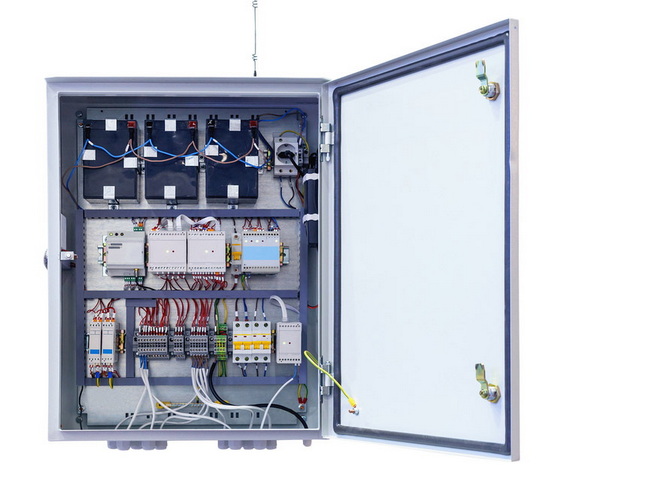
Many rated enclosures fail not because of the box itself, but due to gasket or sealing issues. Understanding these failure modes helps you design more reliable sealing systems from the start.
- Gasket deterioration due to UV, ozone, chemicals, or extreme temperatures.
- Loss of compression (compression set) causing permanent gaps along the sealing surface.
- Inadequate cable entry sealing, allowing water ingress through glands or conduit fittings.
- Field modifications (extra holes, cutouts) that bypass the original sealing design.
- Specify materials with verified aging performance and compression set data.
- Use rated cable glands and seal all unused penetrations.
- Prefer factory‑engineered modifications to maintain enclosure rating.
- Implement routine inspection and replacement intervals for gaskets in critical installations.
A structured selection process helps engineers and buyers quickly choose the right sealing solution for their project.
1. Define environment and rating
- Indoor vs. outdoor, wash‑down, submersion, corrosive or hazardous area.
- Target NEMA type and/or IP rating based on risk and regulations.
2. Map mechanical constraints
- Door size, flange width, flatness tolerance, and opening frequency.
- Available space for gasket channels or bulb profiles.
3. Choose gasket type
- Strip for simple runs, die‑cut for repeatable outlines, FIP for complex geometries, bulb extrusion for frequent access.
4. Select material
- Match temperature range, UV exposure, chemical contact, and compression set requirements.
5. Validate with testing
- Perform IP or NEMA verification tests, including dust, rain, hose‑down, or immersion as applicable.
Modern applications rely on high‑reliability sealed enclosures, especially in energy, mobility, and water management. Well‑designed seals can significantly extend equipment uptime and reduce lifecycle costs.
Power distribution, photovoltaic combiner boxes, and energy storage systems require enclosures with strong sealing to withstand UV, rain, dust, and temperature swings. NEMA 4X or 6P enclosures with silicone or EPDM gaskets are commonly used in solar farms and battery energy storage units.
EV charging stations, on‑board vehicle electronics, and roadside control cabinets must resist splash, vibration, and road chemicals. Robust form‑in‑place or bulb gaskets combined with IP66–IP67 sealing strategies are typically used in these sectors.
Pump controllers, lift stations, and water treatment control panels are frequently installed in wet or corrosive environments. Stainless steel or coated metal enclosures with corrosion‑resistant gaskets and carefully sealed cable entries help ensure long‑term reliability.
Good sealing is not a one‑time decision; it requires attention during design, installation, and throughout the entire service life. Following best practices from day one helps avoid costly failures later.
- Avoid perforating the enclosure with unnecessary screws or attachments that bypass the seal.
- Coordinate cutouts and cable entries early so they can be properly sealed.
- Use compatible sealants or gels if additional internal protection is required, especially for high‑protection applications.
- Inspect gaskets for cuts, over‑stretching, or compression damage during installation.
- Replace gaskets that show cracking, permanent deformation, or loss of elasticity.
- Clean flange surfaces so dust and debris do not compromise compression and sealing.
Gasket type | Main advantage | Best suited for |
Strip | Flexible and easy to install along straight runs. | Simple door designs, moderate volumes. |
Die-cut | Highly repeatable fit and compression. | Medium–high volume enclosures with defined outlines. |
Form-in-place | Continuous seal on complex geometries. | Compact flanges, irregular shapes, automated dispensing. |
Bulb extrusion | Excellent compression over door misalignment. | Frequently opened outdoor doors and cabinets. |
Choosing the right enclosure, gasket type, and sealing strategy is easier when you partner with a manufacturer experienced in outdoor and harsh‑environment applications. A professional electrical enclosure supplier can help you balance cost, manufacturability, and protection level across power, communication, industrial automation, building, and new energy projects.
If you are planning a new project or upgrading existing electrical enclosures in power, communications, industrial automation, building management, new energy storage, EV charging, or water systems, now is the time to optimize your sealing strategy. Reach out to our engineering team to discuss your application, target NEMA or IP rating, and mechanical constraints, and we will help you select the ideal enclosure, gasket type, and material combination. Contact us today to request a technical consultation or project quotation and ensure your next generation of electrical enclosures delivers long‑term, reliable protection in real‑world environments.
Contact us to get more information!
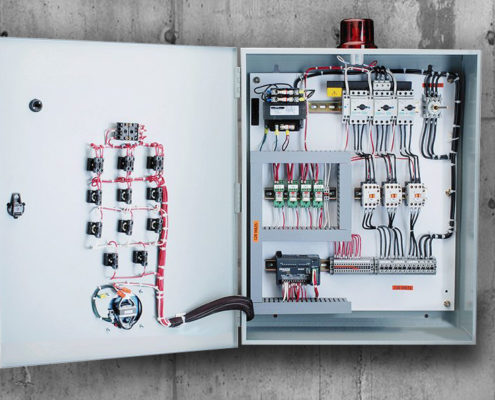
Start from the environment and risks: indoor vs. outdoor, exposure to dust, wash‑down, or submersion, and any industry‑specific regulations. Then match these conditions to NEMA types or IP ratings that define adequate protection for your application.
Replacement intervals depend on material, environment, and operating temperature, but gaskets should be inspected during routine maintenance and replaced when cracks, permanent flattening, or loss of elasticity appear. Critical outdoor installations in harsh climates may require more frequent checks.
Yes. Extra holes, poorly sealed cable entries, or unapproved hardware can compromise the original sealing concept and invalidate the NEMA or IP rating. Wherever possible, carry out modifications at the factory or follow the manufacturer's guidelines for maintaining rating compliance.
Silicone and EPDM are commonly used outdoors because they tolerate wide temperature ranges and resist UV and weathering. The best choice still depends on chemical exposure, compression requirements, and budget.
Some markets and projects specify NEMA types, others use IP codes, and some require both. Since they are defined by different standards, it is important to confirm which rating system your customers, codes, or regulators expect.
1. https://www.nemaenclosures.com/blog/electrical-enclosure-sealing/
2. https://www.rogerscorp.com/blog/2025/enclosure-seal-and-gasket-standards-made-easy
3. https://carolinacustomprod.com/choosing-the-right-materials-to-seal-an-electronic-enclosure-a-comprehensive-guide/
4. https://eabel.net/knowledge-of-electrical-enclosures-en/ultimate-guide-to-ip68-related-technologies/
5. https://www.spelsberg.co.uk/uploads/media/4130en-GB.pdf
6. https://www.rogerscorp.com/blog/2025/fundamentals-of-enclosures-applications-sealing-and-protection
7. https://intrinsicallysafestore.com/blog/class-1-division-2-enclosure-sealing-techniques/
8. https://evsmetal.com/2021/10/nema-rated-metal-enclosures/
9. https://jiga.io/injection-molding/designing-waterproof-enclosure-a-guide/
10. https://www.nema.org/docs/default-source/products-document-library/nema-enclosure-types.pdf
11. https://www.budind.com/nema-vs-ip-protection-ratings/
12. https://www.techsil.co.uk/resource-centre/plastic-enclosure-sealants

2026-07-26

2026-07-24


